
Amid Mounting Protests, NPCI Defers UPI Transaction Fees on Payments Above ₹2,000 Until After Diwali
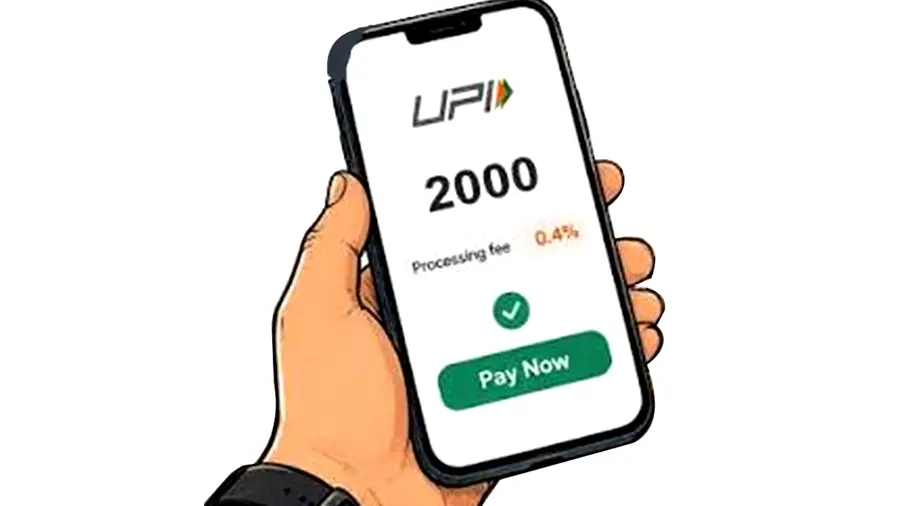
Image used for representation
New Delhi: The National Payments Corporation of India (NPCI) on Tuesday postponed the rollout of a 0.4 per cent Merchant Discount Rate (MDR) on person-to-merchant UPI payments above Rs 2,000, pushing the charge beyond the festive season. The levy had been due to take effect on October 15.
In a statement, NPCI said its UPI and Services Steering Committee decided to implement the MDR on P2M transactions immediately after Diwali, with the date to be notified separately. Diwali falls on Sunday, November 8 this year. According to reports, the NPCI has not yet detailed eligible merchant categories, exemptions or final rules for the later rollout.
The decision follows requests from merchant bodies, fintechs and payments companies, which raised concerns about consumer sentiment ahead of festival sales and about varying MDR rates and their applicability across UPI transactions. Earlier reports, citing a regulatory official and an industry executive, had suggested the government was considering a delay of a few months, possibly to January 2027. The festive season, running from October to December, typically brings a sharp rise in spending.
Under the framework cleared in mid-September, the fee is paid by merchants, not consumers, and is capped at Rs 300 for transactions of Rs 75,000 or more. Essential sectors such as fuel, telecom, insurance, railways and agricultural inputs would pay a concessionary flat Rs 5 per transaction. Person-to-person transfers remain free.
The charge has drawn legal and political attention. The Supreme Court last month declined to stay it but sought the Centre’s response, and Finance Minister Nirmala Sitharaman has described the levy as neither a tax nor a cess.
It has been criticised that If UPI is used for payments at each stage, traders could have to bear an additional charge on every transaction.
Such a financial burden would be difficult for small traders to absorb. Several traders and organisations have indicated that if the additional charges become a liability, they may return to cash transactions instead of using digital payment methods.
Traders cannot directly recover the additional fee from consumers as attempts to do so could adversely affect their businesses. But, it was alleged that the Centre was imposing such measures to benefit corporate monopolies and the additional cost could eventually be passed on entirely to consumers.
The new decision comes amid mounting protest from trade unions and traders.



Related News
Dont Miss it






0 comments