
Targeted Attacks on Minorities in North India: AICU Calls for Urgent Government Action

Web desk
Published on Mar 15, 2025, 06:27 PM | 3 min read
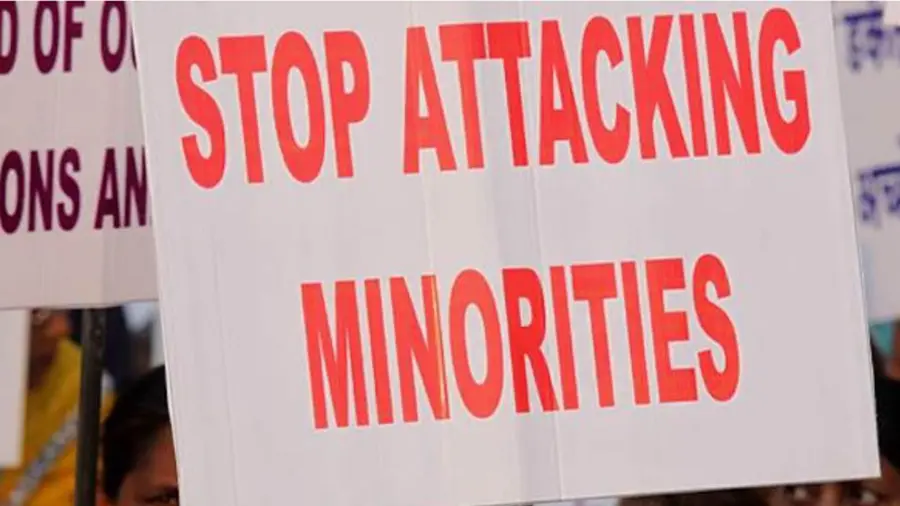
Thiruvananthapuram: All India Catholic Union (AICU), working committee convened its meeting in Jharsuguda, Odisha by raising grave uneasiness over increasing hate speech, targeted violence against minorities in India. The committee expressed grave concern over the social ostracisation faced by religious and marginalised groups, Dalits and indigenous peoples, in various parts of North and Central India, and the North-east.
AICU also raised concern that the state governments to put an end to hate speech and targeted attacks.
The AICU highlighted that hate crime monitoring organisations recorded 834 incidents of violence against Christian communities across various states by the end of 2024. Uttar Pradesh and Chhattisgarh were identified as particularly affected regions, experiencing brutal mob violence and systematic exclusion. The committee noted with concern that elements within law enforcement and the justice system often fail to take adequate action, leading to a climate of impunity and fear among minority communities.
In light of these developments, the AICU urged national and state governments to take immediate and decisive action to curb hate speech, protect vulnerable communities, and uphold the constitutional rights of all citizens. It called for stringent measures to identify and prosecute those responsible for inciting violence and discrimination.
A specific area of concern raised was the recent developments in Arunachal Pradesh, where discussions have resurfaced about reviving the Arunachal Pradesh Freedom of Religion Act, 1978, a law that has remained dormant for nearly five decades. The potential implementation of this legislation has sparked protests, with concerns that it could disrupt the existing social fabric and inter -community relations. Similarly, in Madhya Pradesh, Chief Minister Mohan Yadav has indicated plans to amend the anti-conversion law, proposing severe penalties, including the death sentence for certain cases. The AICU expressed strong apprehensions regarding the implications of such legal changes on social cohesion and individual freedoms.
The situation in Manipur also came under scrutiny, with the committee highlighting the ongoing humanitarian crisis affecting over 60,000 internally displaced persons. While the imposition of President’s Rule in the state has brought administrative control, there remains an urgent need for comprehensive rehabilitation measures to assist those living in temporary camps.
Beyond violence and legal concerns, the AICU underscored the broader challenges facing Indian society, including climate change, concerns surrounding artificial intelligence, and growing economic disparities. It stressed the need for strong moral and ethical leadership in fostering unity and social harmony across the nation.
Despite these challenges, the AICU leadership expressed confidence that the broader public remains uninvolved in acts of violence and division. It called upon those in positions of authority to take decisive action against individuals and organisations responsible for inciting violence and to uphold the principles of justice and equal rights for all citizens. The committee reiterated the importance of fostering a climate of inclusivity and mutual respect to ensure long-term peace and stability in the country.



Related News
Dont Miss it










0 comments