
Qatar LNG Shutdown Sparks Supply Crisis in India
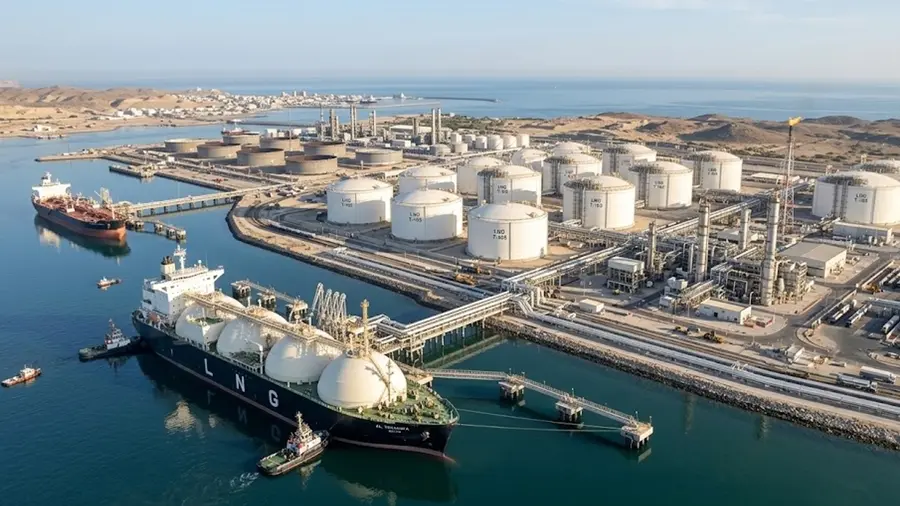
New Delhi: Amid the escalation of war in West Asia, the main natural gas (LNG) production centers in Qatar have suspended operations. As a result, fuel shipments to India have been completely disrupted. This crisis is expected to seriously affect the country’s industrial sector as well as domestic and vehicular fuel supplies. Meanwhile, the US and Israel are intensifying their offensive against Iran.
Qatar Energy suspended operations following a drone attack by Iran on the installations at Rass Laffan, the world’s largest LNG export hub. Consequently, LNG supplies to India have decreased by approximately 40 percent. As the US-Israel alliance continues its offensive against Iran, the Strait of Hormuz is almost completely closed. Normally, 50 percent of India’s crude oil imports and 54 percent of its LNG imports pass through this route.
Petronet LNG’s main LNG carriers, Disha, Rahi, and Aseem are unable to approach the Ras Laffan port in Qatar. About 40 percent of India’s annual 2.7 crore tonnes of LNG imports come from Qatar. Unable to send ships to Qatar, India’s major LNG importer, Petronet LNG Limited, has declared a “force majeure” for prominent public sector companies such as GAIL and IOC. A “force majeure” is declared when a contract cannot be fulfilled due to uncontrollable circumstances. Qatar Energy has also issued a similar notice.
With fuel imports under the agreement with Qatar disrupted, gas will have to be purchased from the market at higher prices. LNG prices in the spot market have risen to 25 dollar after shipping traffic through the Strait of Hormuz was disrupted. It is more than double the contracted price.
City gas distribution companies have expressed concern over the shortage of domestic natural gas and LNG, and have written to the government-owned GAIL India Limited. The letter requests that the supply of CNG for vehicles and piped cooking gas be ensured. The Association of CGD Entities (ACE) informed the central government that if CNG prices rise sharply, vehicle owners may switch to electric vehicles, which could disrupt the sector.
Ongoing disruptions in the supply chain have put the industrial sector in a severe crisis. If LNG imports are blocked and prices rise, industrial units will be forced to switch to cheaper alternative fuels such as naphtha and furnace oil, which will also directly affect the agricultural sector. An increase in gas prices for fertiliser production plants will raise the subsidy burden, ultimately straining the pockets of ordinary citizens.
India, which depends on foreign imports for nearly half of its natural gas demand, is moving toward a major crisis. Currently, the supply of CNG and piped cooking gas has been reduced by 60 percent. If the conflict in West Asia continues, the country could face a severe energy crisis in the coming days. These developments highlight how the actions of imperialist powers that disrupt regional peace are directly endangering India’s energy security.



Related News
Dont Miss it










0 comments