
India Joins Global e-Passport Era: What It Means for Travellers

Web desk
Published on May 29, 2025, 03:30 PM | 3 min read
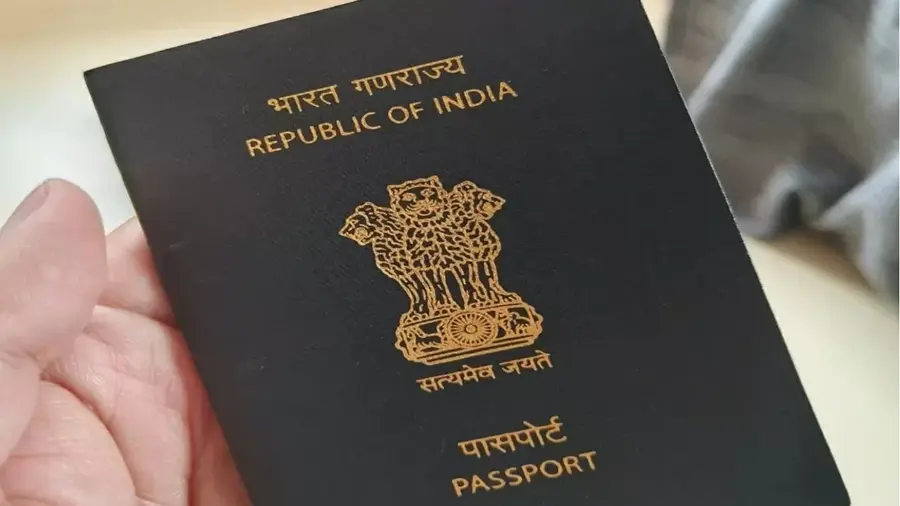
New Delhi: India has formally joined the list of more than 120 nations issuing biometric e-passports to its citizens. These next-generation passports, embedded with secure microchips, are designed to enhance security and ease global travel. Designed to replace traditional passports over time, they offer a safer and more efficient experience for travellers. But many still wonder—what exactly is an e-passport, is it mandatory, and how does one apply for it? Here’s everything you need to know.
What Is an e-Passport?
An e-passport, or biometric passport, is an enhanced version of the traditional passport booklet. It features an embedded RFID (Radio Frequency Identification) chip and antenna, typically placed in the back cover. This chip securely stores the holder’s biometric information, including facial data and fingerprints, along with personal details such as name, date of birth, and passport number.
A gold-coloured rectangle symbol on the cover distinguishes e-passports from regular passports. The biometric data stored is digitally signed and protected with advanced encryption standards, making it tamper-resistant and globally verifiable.
Is It Mandatory?
No, e-passports are not mandatory. If you already have a valid passport, you can continue using it until it expires. There is no need to replace your existing passport immediately. However, if you apply for a new passport or renew your current one after the e-passport system is launched in your area, you will automatically receive an e-passport.
Who Can Apply?
All Indian citizens are eligible to apply for an e-passport. This includes adults, minors, and senior citizens. Whether you are applying for the first time or renewing an old passport, you will be issued an e-passport once it becomes available in your region. Indians living abroad can also apply through Indian embassies and consulates when the system is extended globally.
How to Apply?
The process to apply for an e-passport is the same as for a regular passport. Applicants need to visit the official Passport Seva website (passportindia.gov.in), fill out the online application form, pay the required fee, and book an appointment at the nearest Passport Seva Kendra or Post Office Passport Seva Kendra. At the centre, biometric data such as fingerprints and a photograph will be collected. After police verification (if required), the e-passport will be printed and sent to your registered address.
There is no separate form or additional steps needed to request an e-passport.
What Are the Benefits?
E-passports offer stronger security features compared to regular passports. The embedded chip makes it difficult to tamper with or forge the passport. At international airports, e-passports allow faster processing at immigration counters and can be used at automated e-gates in some countries. The digital data stored in the chip helps in verifying identity more accurately and reduces the chances of misuse.
Is There Any Extra Cost?
No, there is no additional fee for getting an e-passport. The charges remain the same as regular passports. For adults, the standard 36-page passport costs 1,500 rupees and a 60-page passport costs 2,000 rupees. Tatkal services and minor passport fees also remain unchanged. Applicants do not need to pay anything extra for the chip or new technology.
What If the Chip Gets Damaged?
In case the chip in an e-passport is damaged due to water, fire, or physical impact, the passport may not be readable by machines. However, the passport will still be usable for manual verification by immigration officers. If the damage is serious, the passport holder will have to apply for a re-issue by submitting the damaged document and explaining the reason.



Related News
Dont Miss it









0 comments