
Delimitation Bill Cleared for Introduction in Lok Sabha; India Bloc Opposes Bill
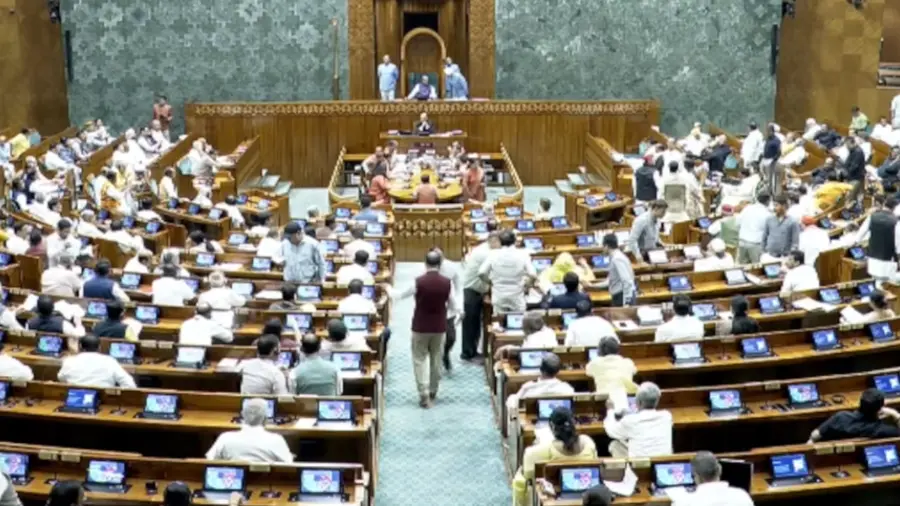
Indian parliament (Photo | Sansad TV)
New Delhi: The 131st Constitutional Amendment Bill, proposing a sweeping delimitation of parliamentary and assembly constituencies under the cover of women's reservation, has been granted leave to introduction in the Lok Sabha. In a division vote on the motion to introduce the bill, 207 of the 333 members present voted in favour while 126 voted against. A united opposition mounted strong resistance to what it termed an anti-democratic move by the Central government.
Key Amendments Proposed
The bill's central proposal is to increase Lok Sabha seats from the current 543 to 850. Amendments to Article 81 of the Constitution would provide for the election of 815 members from territorial constituencies and 35 from Union Territories — up from the existing 19 Union Territory seats.
Significant changes are also proposed to Article 82, which governs delimitation. Most consequentially, the existing provision mandating that the next delimitation be conducted on the basis of the first census after 2026 is to be entirely removed. This would enable the government to carry out delimitation before the 2026 census is completed. The definition of 'population' for the purposes of delimitation has also been amended to permit the use of 2011 census data — a move that critics argue will disproportionately reward states with higher population growth at the expense of southern states that responsibly pursued family planning policies.
Opposition Unites Against Bill
The opposition has condemned the bill as a thinly veiled attempt to entrench political dominance by translating the demographic weight of northern states into additional parliamentary seats, while penalising states like Kerala, Tamil Nadu, Andhra Pradesh, and Telangana for their developmental achievements. Leaders across the opposition spectrum argued that using women's reservation as a justification for the exercise was a cynical political manoeuvre designed to deflect legitimate scrutiny of the bill's more far-reaching implications.
Tags



Related News
Dont Miss it










0 comments