
Delimitation: Centre Plans Special Parliament Session to Pass Delimitation Bill
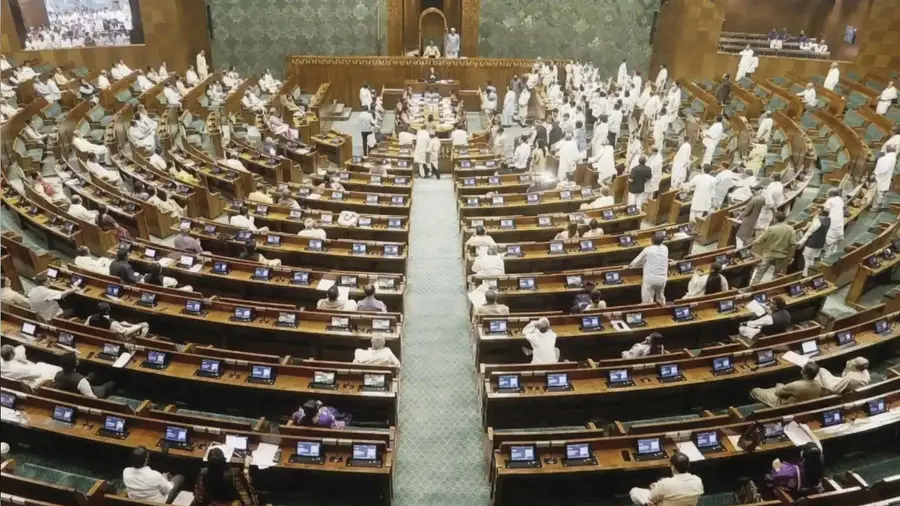
Image used for representation
New Delhi: The Centre is preparing to pass a delimitation bill that could undermine India’s federal system, with plans reportedly underway to convene a three-day special session of Parliament on August 16, 17 and 18 to introduce the delimitation bill and the Women’s Reservation Constitutional Amendment Bill.
The move to convene a special session comes amid strong opposition protests over various issues during the ongoing Monsoon Session, which have disrupted parliamentary proceedings, including Question Hour.
The Centre was unable to secure the required two-thirds majority to pass the constitutional amendment during the Budget Session held in April. As a result, the bill could not be passed at the time.
Through the proposed delimitation exercise, the Centre is seeking to retain a larger number of parliamentary seats in northern Indian states and strengthen its prospects of returning to power repeatedly. The move is aimed at increasing the number of constituencies in states where the BJP has significant influence based on population and securing electoral advantages in future Lok Sabha elections.
The BJP is also expected to use the Women’s Reservation Bill as a political tool to consolidate women voters ahead of the elections in West Bengal and Tamil Nadu. By introducing delimitation alongside the Women’s Reservation Bill, the BJP is attempting to reduce the political importance of southern Indian states and states where opposition parties have strong influence.
The government is reportedly planning to increase the number of Lok Sabha seats from the existing 543 to 850. If delimitation is carried out based on population, southern states are likely to have a smaller share of representation in the Lok Sabha compared with northern states.
Southern states such as Keralam, which have effectively implemented population-control measures, have lower population growth than several other states. As a result, population-based delimitation could reduce their representation and political influence at the national level.



Related News
Dont Miss it









0 comments