
'Not Reverse Remittance, but Money Earned Through Blood and Sweat': Experts Slams Satheesan's Remarks on Migrant Workers
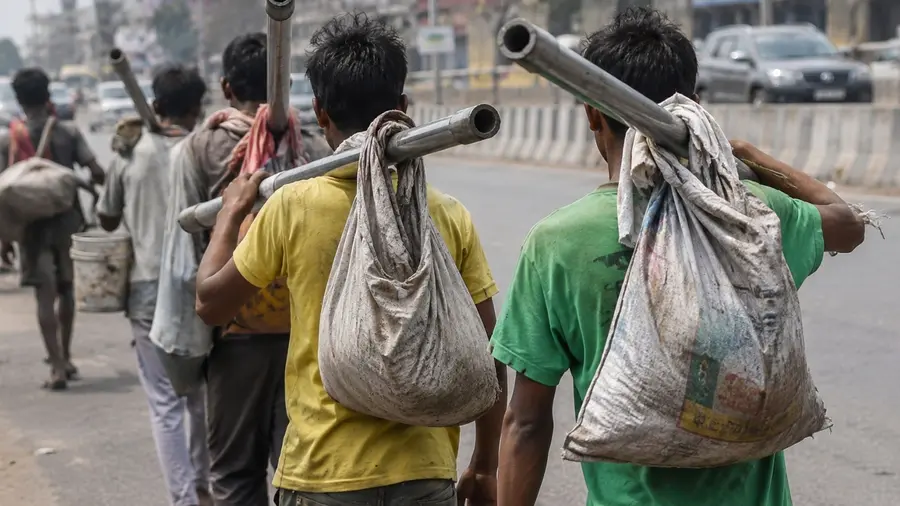
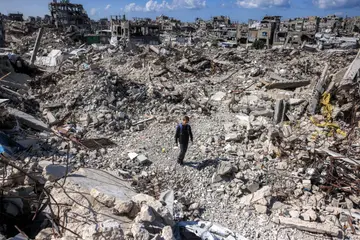
Representative image created using AI
Thiruvananthapuram: Kerala Chief Minister V D Satheesan is facing sharp criticism over remarks made in the State Assembly about the spending patterns of interstate migrant workers employed in Keralam. The Chief Minister said that nearly five million migrant workers in the state send all of their earnings back to their home states as "reverse remittances" and that the only money returning to the government comes from their spending on alcohol. Critics have accused him of using misleading figures and making statements that are racist and promote hostility toward migrant communities.
Dr. Binoy Peter, Executive Director of the Centre for Migration and Inclusive Development (CMID), pointed out that while Non-Resident Keralites remit more than ₹2.16 lakh crore to Kerala, the Chief Minister has objected to interstate migrant workers sending ₹52,000 crore to their home states. Migrant workers are not "taking away" money from Keralam. Most of them earn their wages through long hours of physically demanding work, often for lower pay than local workers, and send those hard-earned earnings to support their families. Dr. Peter made these observations in an interview with Samakalika Malayalam weekly.
Dr. Peter also challenged the Chief Minister's use of the term "reverse remittance." Reverse remittance refers to money sent from one's home country to a migrant living abroad, not the money migrants send back to their families. He cited the example of Malayali families sending thousands of crores of rupees to students studying in Europe, the United States, Canada and other countries to cover tuition fees and living expenses, describing those transfers as true reverse remittances. Keralam, long known as a "money order economy," has always depended on remittances from migrants. The money interstate workers send to their home states is remittance, not reverse remittance, and doing so is their legitimate right, he said.
He also rejected Satheesan's assertion that migrant workers need only "wheat flour, onions and alcohol." According to Dr. Peter, the overwhelming majority of interstate workers come from rice-eating states, making wheat flour far less relevant to their diets. He added that only a small portion of migrant workers consume alcohol.
Dr. Peter argued that interstate migrant workers spend nearly one-third of their income within Keralam itself. Based on estimates, around one-third of the state's migrant workforce—approximately 1.5 million people—pay an average monthly rent of ₹1,200. Many also purchase Kerala lottery tickets. He highlighted a range of everyday expenditures that contribute significantly to the state's economy: monthly mobile recharges, mobile phone purchases, haircuts, daily bus travel, long-distance bus journeys to home states operated by Malayali transport providers, meals at local restaurants, clothing, chicken, remittance service charges, medicines, rice and other groceries.
He questioned how these contributions could be ignored, asking what the cumulative annual value would be if:
15 lakh workers pay monthly rent;
10 lakh lottery tickets are sold every month at ₹30 each;
35 lakh workers spend ₹100 a month on mobile recharges;
2 lakh workers buy a ₹10,000 mobile phone each year;
3.5 lakh men get a ₹100 haircut every two months;
15 lakh workers spend an average of ₹40 per day on bus fares for 300 days a year;
10,000 workers travel home every week by bus at ₹2,500 per ticket;
5 lakh workers buy two porottas and sambar every day for ₹24;
45 lakh workers purchase two sets of clothes worth ₹300 each every year;
5 lakh workers buy one kilogram of chicken every week at ₹120;
10 lakh workers pay ₹10 in transfer charges for every ₹1,000 remitted while sending ₹10,000 home every month;
20 lakh workers purchase medicines every six months; and
30 lakh workers spend ₹250 a week on rice and other essentials.
Dr. Peter said Keralam should not forget the hardships Malayalis endured while migrating to distant Indian cities, Gulf countries and other parts of the world in search of work. He warned that right-wing politics across the world has gained strength by fostering hostility toward migrant workers from other regions. Interstate migrant workers, he said, play a crucial role in sustaining Keralam's economy. When they return home to vote or celebrate festivals, hotels shut down, factories slow to a halt, and construction work comes to a standstill.
According to figures from the Kerala State Planning Board, the state had around 31lakh interstate migrant workers in 2017–18, a number that has now risen to approximately 45 lakh. Even if each worker earns the minimum average daily wage of ₹800 and works 22 days a month for ten months, their combined annual income would be about ₹72,000 crore. The money they remit to their families is what remains after meeting their living expenses in Keralam.
Dr. Peter also noted that women workers in Vathuruthy earn around ₹1,200 a day, woodcutters receive up to ₹2,500 a day, and porotta makers earn around ₹1,500 a day. At a time when a local B.Com graduate working as an accountant or a saleswoman in a textile shop earns only ₹10,000 to ₹12,000 a month, these migrant workers earn more than ₹20,000 through strenuous manual labour. Despite this, they continue to live under severe insecurity and vulnerable conditions, he said.



Related News
Dont Miss it




0 comments