
Sree Narayana Guru Open University: Powering Kerala's Dream of a Graduate Society

Web desk
Published on May 05, 2025, 01:45 PM | 5 min read
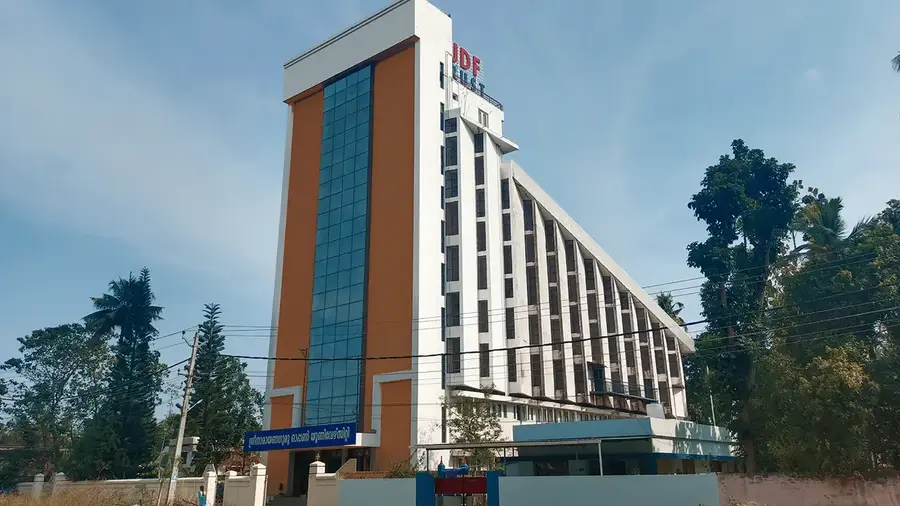
Kollam: In a nation where access to higher education often remains a privilege, Kerala is charting a transformative course to become India's first fully graduate state. At the forefront of this ambitious endeavor is the Sree Narayana Guru Open University (SGOU), established on October 2, 2020, in Kollam. Named after the revered social reformer Sree Narayana Guru, the university embodies Kerala's commitment to inclusive, accessible, and quality education for all.
A Vision Rooted in Inclusivity
SGOU was conceived to democratize higher education, ensuring that age, geography, or socio-economic status do not impede one's academic aspirations. With over 55,000 learners enrolled, the university offers 29 undergraduate and postgraduate programs, along with three certificate courses, all devoid of age restrictions. This approach aligns seamlessly with the Left Democratic Front (LDF) government's mission to transform Kerala into a knowledge-based society.
The university's establishment was formalized through the Sreenarayanaguru Open University Act, 2021, and it received recognition from the University Grants Commission (UGC) in January 2021, ensuring the validity of its degrees for Public Service Commission (PSC) and Union Public Service Commission (UPSC) examinations.
Pioneering Academic Innovations
SGOU stands out as the first State Open University in India to implement a four-year undergraduate Honours program. Students have the flexibility to exit after three years with a degree certificate, provided they earn the required credits.
In a groundbreaking move, the university launched India's first BA Nano Entrepreneurship program. This initiative caters to individuals who had to discontinue their studies, enabling them to earn a degree while acquiring practical entrepreneurial skills. Implemented in collaboration with organizations like Kudumbashree, the program exemplifies SGOU's commitment to blending academic learning with real-world applications.
Empowering Marginalized Communities
SGOU's inclusive ethos is evident in its community-focused initiatives:
Education for Elected Representatives: A six-month certificate course on local governance was conducted for elected representatives of local self-government institutions, with 3,000 participants successfully completing it.
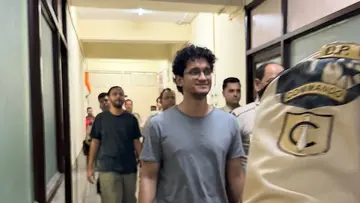
Continuing Education in Jails: A coordinated project for enabling continuing education for prison inmates was launched at Kannur Jail. Efforts began in 2024 to extend this initiative to all jails in the state. Currently, around 50 inmates are enrolled in the program.
Support for Marginalised Groups: Inmates of orphanages can pursue education at reduced fees. With the help of sponsorship institutions, plans are in place to make education completely free in the coming years. Visually challenged students are eligible for free education. Additionally, in cooperation with the Department of Social Justice, new projects will soon be implemented to support higher education for the transgender community. Similarly, the university will partner with the Women and Child Welfare Department to support further education for deserving Kudumbashree members.
Commitment to Timely Results
SGOU has demonstrated efficiency in academic administration. Efficient functioning enabled the declaration of examination results within 30 days. The presence of an examination manual facilitated this process. Evaluation was completed with the help of other colleges serving as exam centers and the cooperation of faculty from various institutions. The PG exams recorded a pass percentage of 79.94%.
Digital Transformation in Education
Embracing modern educational practices, SGOU is implementing several digital initiatives. From the next academic year, the university is planning to implement online evaluation. A new feature called "Exam on Demand" will be introduced, allowing students to take exams at a time convenient to them. Discussions are already underway with institutions including the Technical University to develop software for conducting these online exams. As soon as the exam is completed, the answer sheets will be scanned and sent to a centralised platform.
Evaluation will be done through computers, and marks will be added immediately. Results can be declared within 15 to 20 days. For this purpose, scanning centers will be set up. All assignments will also be transitioned to an online format. With the help of new software, students will be able to download their provisional certificates, contact certificates, mark lists, and ID cards.
Holistic Student Development
Recognising the importance of extracurricular activities, SGOU has organised sevents to foster holistic development. With support from the State Cultural Department and the District Library Council, the university hosted the Sree Narayana Guru International Literary and Cultural Festival from November 30 to December 3, 2024. The event became a cultural celebration of the state. The book fair, with participation from over 100 publishers, attracted public attention. It also facilitated interaction with prominent national and international writers and helped in understanding new trends in literature.
In line with regular universities, the university organised its first athletic meet as part of co-curricular learning. The meet, held at the Kerala University Stadium in Thiruvananthapuram on January 31 and February 1, 2025, garnered significant attention.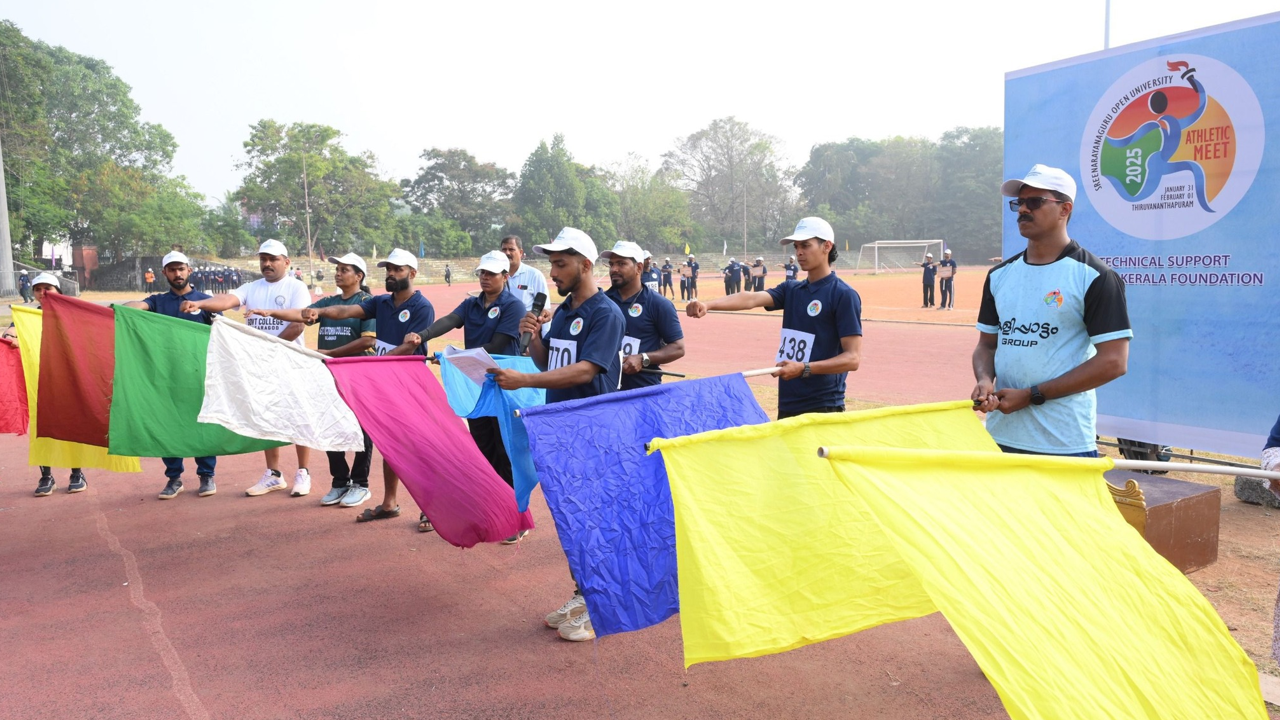
Infrastructure Development and Accessibility
SGOU is actively enhancing its infrastructure to better serve its student population. The university has acquired 8.06 acres of land at Mundakkal in Kollam to set up its headquarters. The registration was completed on December 30, 2025. The state budget allocated 30 crore rupees for building construction. An expression of interest was invited to construct the academic block within a year, with the master plan preparation entrusted to NIT Calicut.
Including the headquarters in Kureepuzha, Kollam, the university has five regional centres. Renovation work has been undertaken to enhance their functionality. Efforts are underway to transform the State Public Library into a reference library for the university’s students. In collaboration with library councils, all district libraries in the state will be made reference libraries of this kind.



Related News
Dont Miss it








0 comments