
DGP Appointment: Politics, Facts, and the Koothuparamba Incident

Web desk
Published on Jul 02, 2025, 05:26 PM | 4 min read
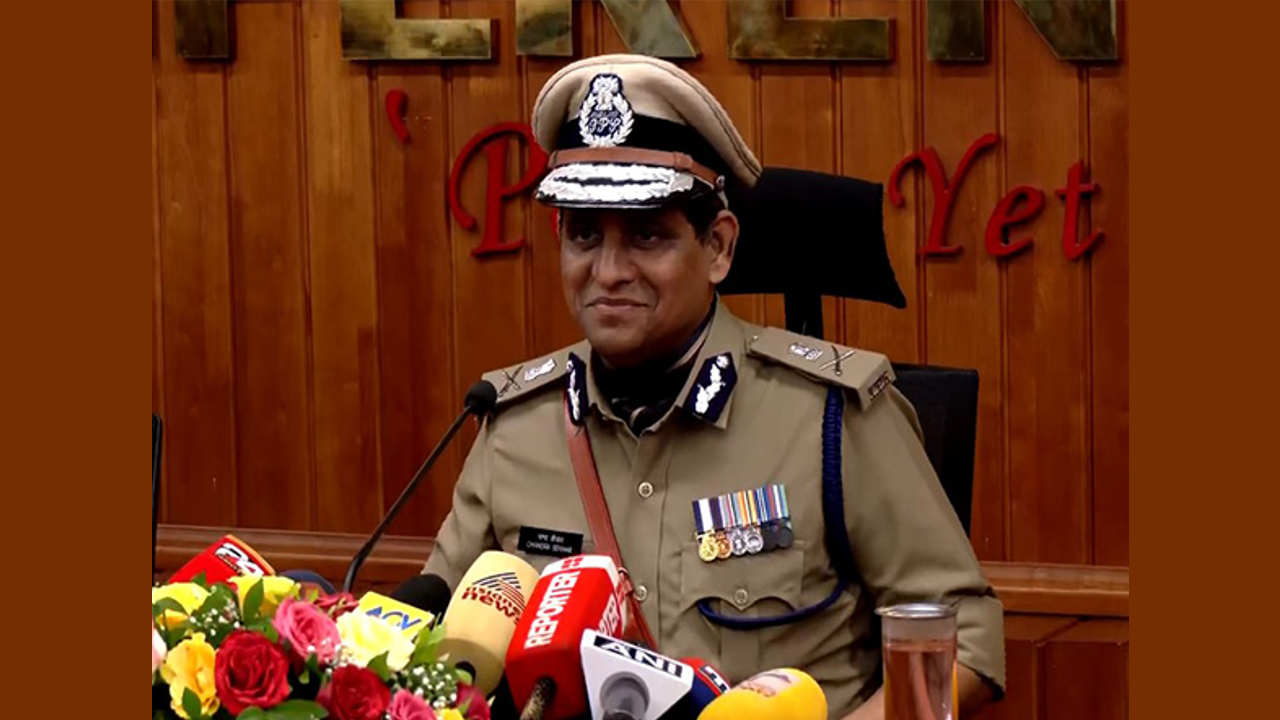
Thiruvananthapuram: With the retirement of Kerala DGP on June 30, the state government appointed Ravada Chandrasekharan as the new Director General of Police, following all legal and constitutional procedures. A list of five eligible senior IPS officers was submitted to the Union Public Service Commission (UPSC), which recommended a panel of three. From this panel, the state cabinet selected Chandrasekharan. Since July 1, 2021, DGP appointments in Kerala have been made strictly in accordance with Supreme Court directives.
Despite this transparent process, attempts are being made to politicise the appointment, with allegations rooted in a three- decade -old incident, the 1994 Koothuparamba police firing. However, these efforts appear to be part of a broader anti-Left narrative rather than based on facts.
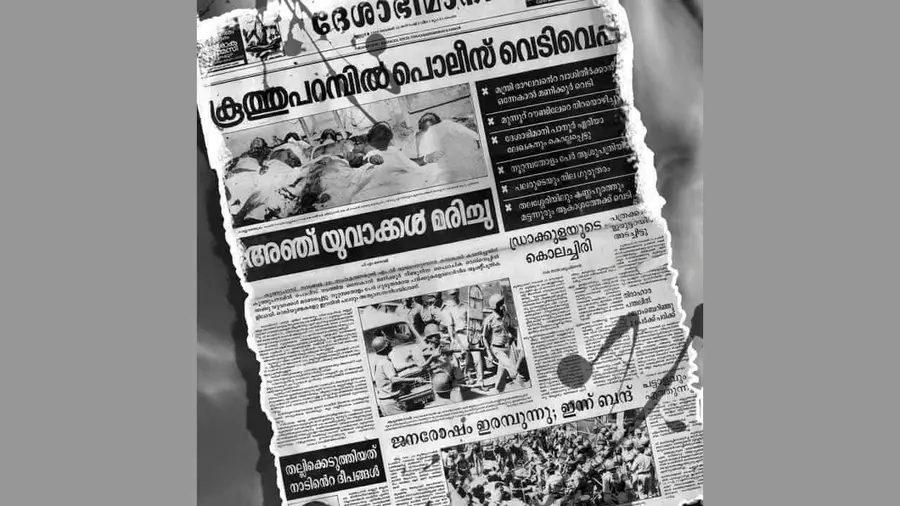
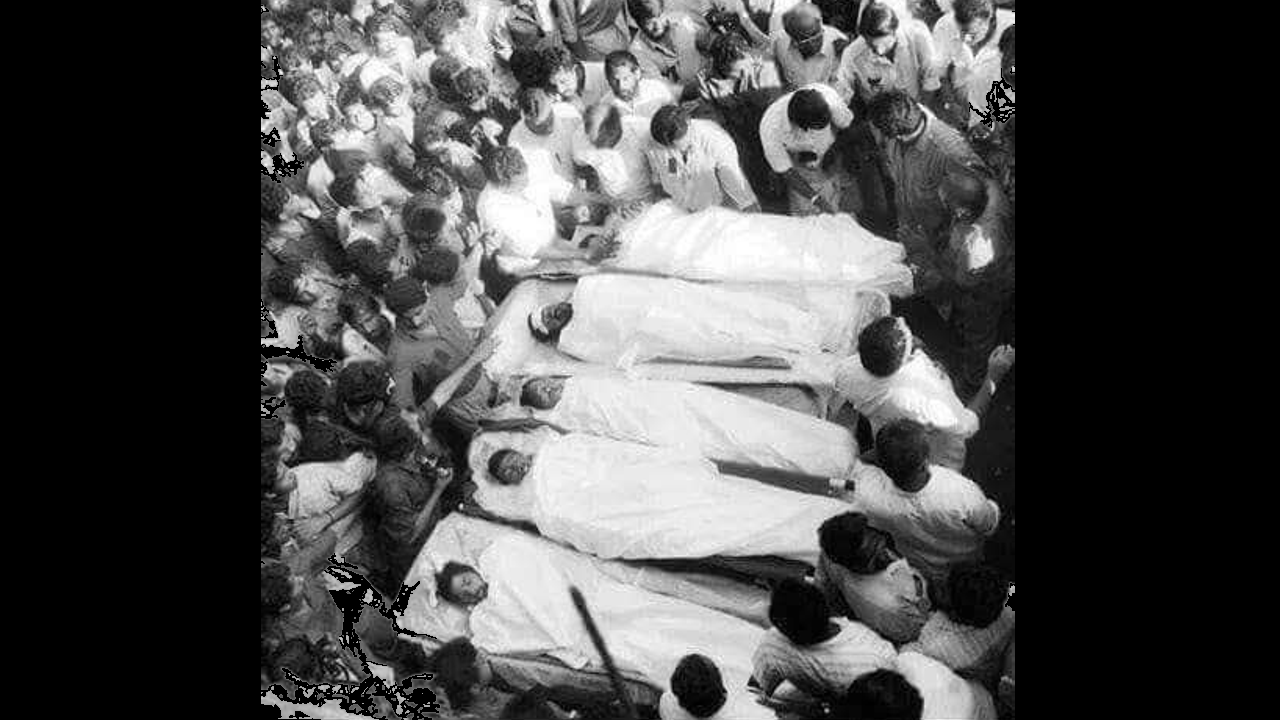
Some media reports and political opponents have claimed that the CPI M is internally unhappy with Chandrasekharan's appointment. But such claims lack any evidence. The controversy centres around his alleged role in the 1994 incident, which resulted in the death of five DYFI activists and injuries to many others during a protest against corruption and privatisation in the education sector.
The Koothuparamba Firing: What Really Happened
The firing took place on November 25, 1994, during the tenure of the then UDF government. In response to widespread public outrage, the government appointed a judicial commission headed by Justice K Padmanabhan Nair to investigate the matter. The commission submitted its findings in March 1997.
The report held Deputy Collector T T Antony and DYSP Abdul Hakkim Bathery responsible for ordering and executing the lathi charge and subsequent firing. The commission found that the protest had been peaceful for nearly two hours before police action began and clearly stated that the firing was neither ordered nor initiated by ASP Ravada Chandrasekharan.
At the time, Chandrasekharan was a junior IPS officer from Andhra Pradesh who had taken charge as ASP in Thalassery just two days before the incident. He had no prior knowledge of the local political environment and played no role in the decision-making. Page 40 of the commission report specifically noted:
“There is no documentary evidence proving his involvement in any conspiracy leading to the firing… The evidence shows that it was DYSP Abdul Hakkim Bathery and Executive Magistrate T T Antony who were responsible.”
Page 41 further stated:
“Ravi Chandrasekharan was a junior officer who had taken charge only two days earlier. He was inexperienced, and I find no reason to hold him responsible for the firing.”
While the police initially included Chandrasekharan in the FIR along with other officers, the Kerala High Court dismissed all charges against him on February 29, 2000, citing the judicial commission’s report and a Supreme Court ruling that barred multiple FIRs for the same incident.
In comparison, other officers involved in serious police actions, such as K Padmakumar, who was also accused in the Koothuparamba case, and T P Senkumar, who led a police crackdown during the UDF rule, were promoted to the rank of DGP without controversy.
A Politically Motivated Controversy
The current attempts to rake up the 1994 firing to target Ravada Chandrasekharan’s appointment are being driven more by political motives than public interest. Ironically, it is the Congress party, which was in power during the Koothuparamba firing and under whose watch five young protesters were killed, that is now voicing concern over the victims. The same media outlets that showed little outrage back then are now portraying selective outrage, ignoring the judicial findings and court verdicts.
The facts are straightforward. Chandrasekharan’s appointment as DGP was made after rigorous vetting by the UPSC and in full compliance with the Supreme Court’s directions. The 1997 commission report, the Kerala High Court ruling, and the absence of any criminal liability confirm that he bears no responsibility for the tragic events of 1994.
Attempts to drag his name back into controversy are not only baseless but also disrespectful to the truth established by due legal process. The people of Kerala have seen through this narrative, one that tries to use history selectively for political ends, and have rejected the smear campaign for what it is.
Tags



Related News
Dont Miss it




0 comments