
Keralam Likely to See 3–4°C Rise in Temperature Over Next Two Days
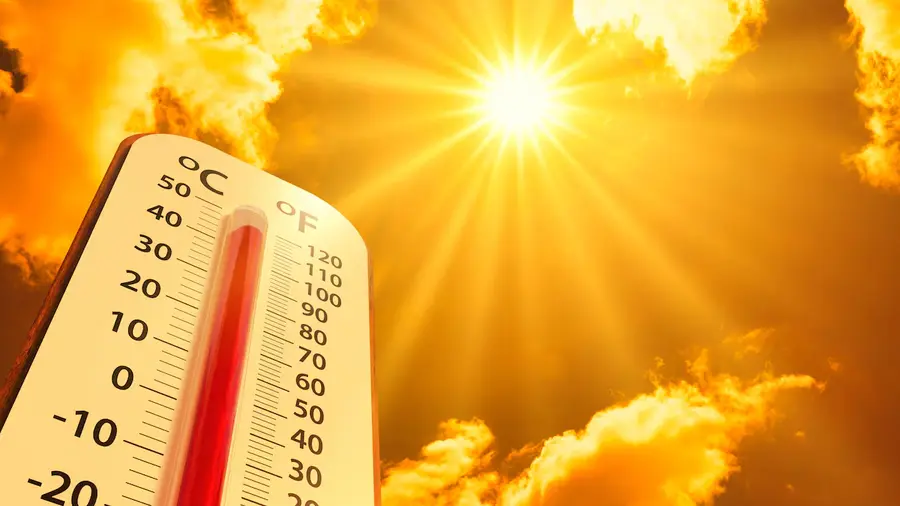
Image used for representation
Thiruvananthapuram: With temperatures generally rising across the state, the Kerala State Disaster Management Authority has issued a set of precautionary guidelines for the public. The Central Meteorological Department has warned that temperatures in Keralam are likely to rise by 3–4°C above normal over the next two days.
High temperatures can cause several serious health problems, including heatstroke, sunburn, and dehydration. The Disaster Management Authority has therefore urged the public to strictly follow the precautionary measures.
Avoid prolonged and continuous exposure to direct sunlight between 11 am and 3 pm.
Continue drinking water even if you do not feel thirsty. Drink as much clean water as possible.
Avoid dehydrating beverages such as alcohol, coffee, tea and carbonated soft drinks during the daytime.
Wear loose-fitting, light-coloured cotton clothes.
Wear footwear when going outdoors. Carrying an umbrella or wearing a hat is advisable.
Eat plenty of fruits and vegetables. The use of ORS solution and sambharam (spiced buttermilk) is encouraged.
The risk of fires starting and spreading is higher in places such as markets, buildings and waste collection and disposal facilities, including dumping yards. Fire audits should be conducted and proper safety precautions should be taken. People living near such locations and those running establishments there should exercise extra caution.
The possibility of wildfires spreading is higher as temperatures rise. People living near forest areas and tourists should exercise particular caution. Situations that could trigger forest fires should be avoided, and the Forest Department’s instructions must be strictly followed.
Educational institutions should ensure that students have access to clean drinking water and that classrooms have adequate ventilation. If examinations are being conducted, drinking water should also be made available in examination halls.
School authorities and parents should pay special attention to students. Assemblies and other programmes that expose children to prolonged sunlight should be avoided or rescheduled. Schools taking children on excursions should ensure that they are not directly exposed to excessive heat between 11 am and 3 pm.
Local panchayat authorities and Anganwadi staff should take special care to ensure arrangements that protect Anganwadi children from excessive heat.
Bedridden patients, elderly people, pregnant women, children, persons with disabilities and those suffering from ailments or physical weakness should take special care to avoid direct sunlight between 11 am and 3 pm. These groups are more vulnerable to heatstroke and require particular attention.
Institutions employing two-wheeler-based online food delivery workers should ensure their safety during the afternoon period from 11 am to 3 pm. Workers should be advised to wear clothing that protects them from the heat and should be allowed short breaks during travel when necessary.
Journalists and police personnel should use umbrellas and avoid direct exposure to sunlight between 11 am and 3 pm. Drinking water should be provided to personnel on duty to help prevent dehydration.
Organisers of public programmes and conferences should ensure adequate drinking water and shade for participants. Events should preferably be avoided between 11 am and 3 pm.
People travelling should take adequate breaks and continue their journey with sufficient rest. Carry drinking water with them.
Construction workers, agricultural labourers, street vendors and others engaged in strenuous work should adjust their working hours and ensure adequate rest during work.
Avoid letting cattle graze in the afternoon heat or tying other domestic animals out in the sun. Ensure that animals and birds have access to water.
Children and pets must never be left inside parked vehicles.
Steps should be taken to use water without wastage and to store as much water as possible when it rains. To prevent dehydration, carry a small bottle of drinking water at all times.
If you feel unwell, rest immediately and seek medical assistance.



Related News
Dont Miss it






0 comments