
Keralam Heatwave: Clean Drinking Water and Sunstroke First Aid Facilities in Public Places; Shade Shelters to Be Set Up
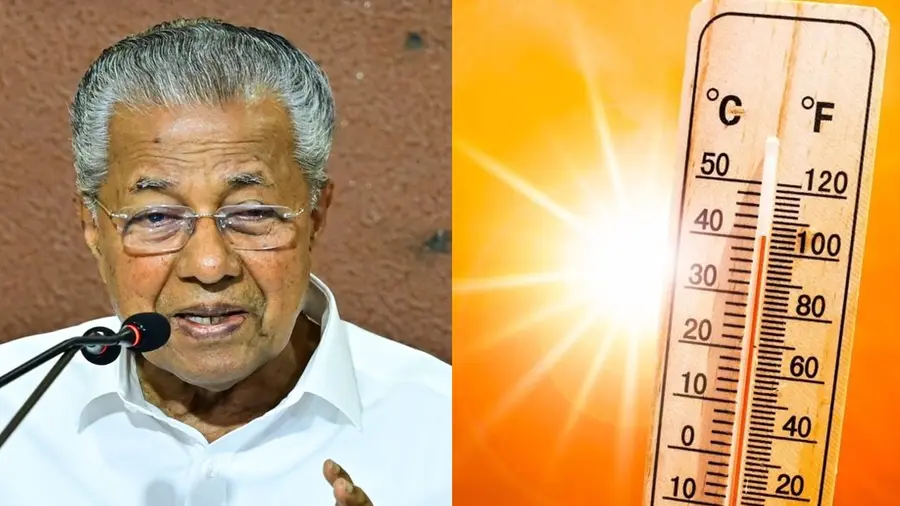
Thiruvananthapuram: An online high-level meeting chaired by Chief Minister Pinarayi Vijayan was held to review the challenges arising from the ongoing heatwave in Kerala and to coordinate urgent response measures.
Immediate relief measures
The government decided to set up drinking water points, ORS supplies, and first-aid facilities for sunstroke at major public places such as markets and bus stands. Temporary shaded shelters will also be installed in crowded areas. District collectors have been asked to explore reducing traffic signal wait times, in consultation with police and traffic authorities, to limit heat exposure.
Public events—including festivals, selection trials, and sports or cultural programs—will face strict restrictions or bans during heatwave warnings. Water distribution points (“thanneer panthals”) will be set up in public areas with support from cooperative institutions, Kudumbashree, youth groups, and volunteers.
Water and climate monitoring
Authorities such as the Water Authority and Irrigation Department have been directed to ensure adequate drinking water supply and coordinate with local bodies. A public campaign promoting rainwater harvesting will also be launched.
The government plans to introduce community-based climate monitoring systems across all local self-government institutions. These will track temperature, rainfall, humidity, and water levels at the ward level to improve climate awareness. Initial implementation will begin in Wayanad.
The state’s disaster warning system “Kavacham,” managed by the Kerala State Disaster Management Authority, will be strengthened to ensure functionality of sirens and alert systems.
Health and infrastructure preparedness
The Health Department has been asked to establish permanent heat and burn clinics in selected hospitals. Anganwadis and healthcare centres will be upgraded into heat-resilient buildings using cooling technologies such as improved ventilation and “cool roofs.”
Schools will also see upgrades in weather monitoring systems, and automatic weather stations will be installed in disaster-prone areas.
Long-term planning
Local bodies have been instructed to prepare localized heat action plans, considering forecasts that temperatures may continue to rise in the coming years. Financial assistance will be provided through state disaster mitigation funds.
The Kerala State Electricity Board has been directed to ensure uninterrupted power supply, especially as demand for air conditioning is expected to increase. Campaigns promoting energy efficiency and renewable energy sources will also be launched.
Public health advisories
Measures will be taken to ensure availability of anti-venom in more health centres, as snakes tend to move toward cooler areas during extreme heat
Awareness on snakebite first aid will be expanded, with support from the Forest Department
People are advised to avoid using contaminated water to prevent infections such as amoebic encephalitis
Additionally, a messaging system will be developed in coordination with Information Kerala Mission to alert citizens about temperature spikes and heatwave risks.
The Chief Secretary has been authorized to take urgent decisions when required. Ministers including K. Rajan, K. Krishnankutty, A. K. Saseendran, V. N. Vasavan, M. B. Rajesh, and Veena George, along with senior officials and district collectors, attended the meeting.



Related News
Dont Miss it





0 comments