
International Media Praise Kerala’s Fight Against Brain Eating Amoeba

Web desk
Published on Sep 18, 2025, 10:36 PM | 2 min read
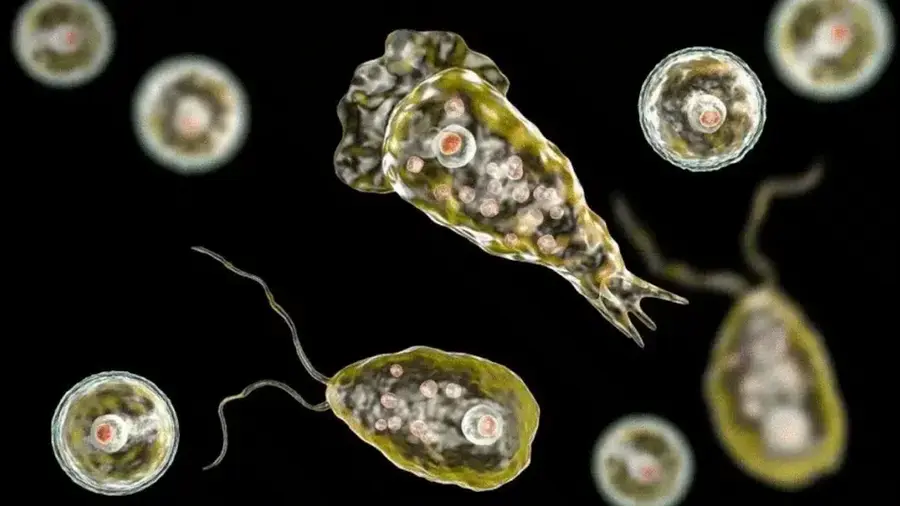
Thiruvananthapuram: Kerala’s proactive measures against the deadly brain-eating amoeba, Naegleria fowleri, are drawing international attention and praise, even as opposition parties in the state attempt to politicise the issue.
Following a spike in cases of primary amoebic meningoencephalitis (PAM) this year, Kerala has reported nearly 70 infections, with a mortality rate of around 24.5%, a significant improvement over previous years. Experts attribute this success to the state’s aggressive testing, early diagnosis, and tailored treatment protocols, a strategy described by international health observers as “world-class” and “model for other regions facing rare pathogens.”
Global outlets, including BBC have highlighted Kerala’s use of state-of-the-art laboratories to detect multiple pathogenic amoebae species, its mass chlorination campaigns covering millions of wells, and public awareness drives educating residents about safe water practices. Public health specialists say Kerala’s approach demonstrates how proactive governance and scientific innovation can save lives, even against rare and lethal diseases.
“Cases are rising but deaths are falling. Aggressive testing and early diagnosis have improved survival, a strategy unique to Kerala,” noted Dr. Aravind Reghukumar, head of infectious diseases at Thiruvananthapuram Medical College, whose work has been cited internationally.
Despite this recognition, local opposition leaders have sought to criticize the government, questioning its preparedness and attempting to portray the state’s response as inadequate. Health experts and global commentators, however, dismiss such claims as politically motivated, pointing to Kerala’s robust containment measures and measurable improvement in survival rates.
“This is not about politics, it’s about saving lives,” said Prof T S Anish , a leading epidemiologist in the state. “Kerala has shown that with early detection, scientific intervention, and public awareness, even rare diseases like PAM can be tackled effectively.”
International media emphasise that Kerala’s experience offers lessons beyond India, particularly as climate change increases the risk of waterborne pathogens worldwide. By combining rapid diagnosis, public education, and large-scale preventive measures, Kerala is being hailed as a model for other regions confronting emerging infectious threats.
Related News



Related News
Dont Miss it










0 comments