
Kerala Cabinet approves Judicial City in Kalamassery

Web desk
Published on Sep 24, 2025, 05:43 PM | 2 min read
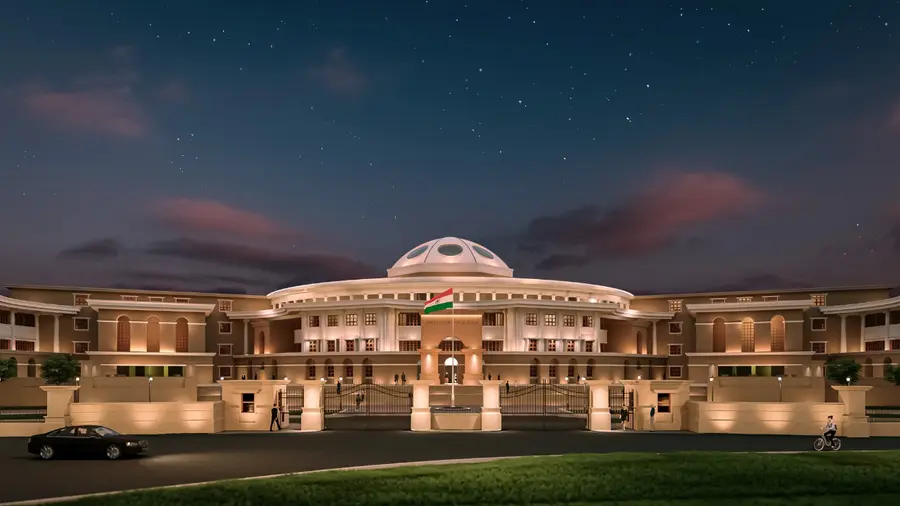
Thiruvananthapuram: The Kerala Cabinet has, in principle, approved the establishment of a Judicial City in Kalamassery. The project will be set up on 27 acres of land owned by HMT, with the Home Department tasked to initiate preliminary steps for implementation.
This decision follows the 2023 Chief Minister–Chief Justice annual meeting. As part of the process, High Court judges Justice Muhammad Musthakh, Justice Bechu Kurian Thomas, Justice Raj Vijayaraghavan, and Justice Satheesh Nainan along with Minister P Rajeev visited the site in Kalamassery and finalised the project’s detailed plan.
The Public Works Department has prepared the preliminary blueprint of the Judicial City, which will include the Kerala High Court and modern, international- standard facilities and amenities. Spread over 12 lakh square feet, the Judicial City will be designed in three towers, reflecting the constitutional principles of equality, freedom, and protection of fundamental rights under Articles 14, 19, and 21. The main tower will have 7 floors, while the other two towers will have 6 floors each.
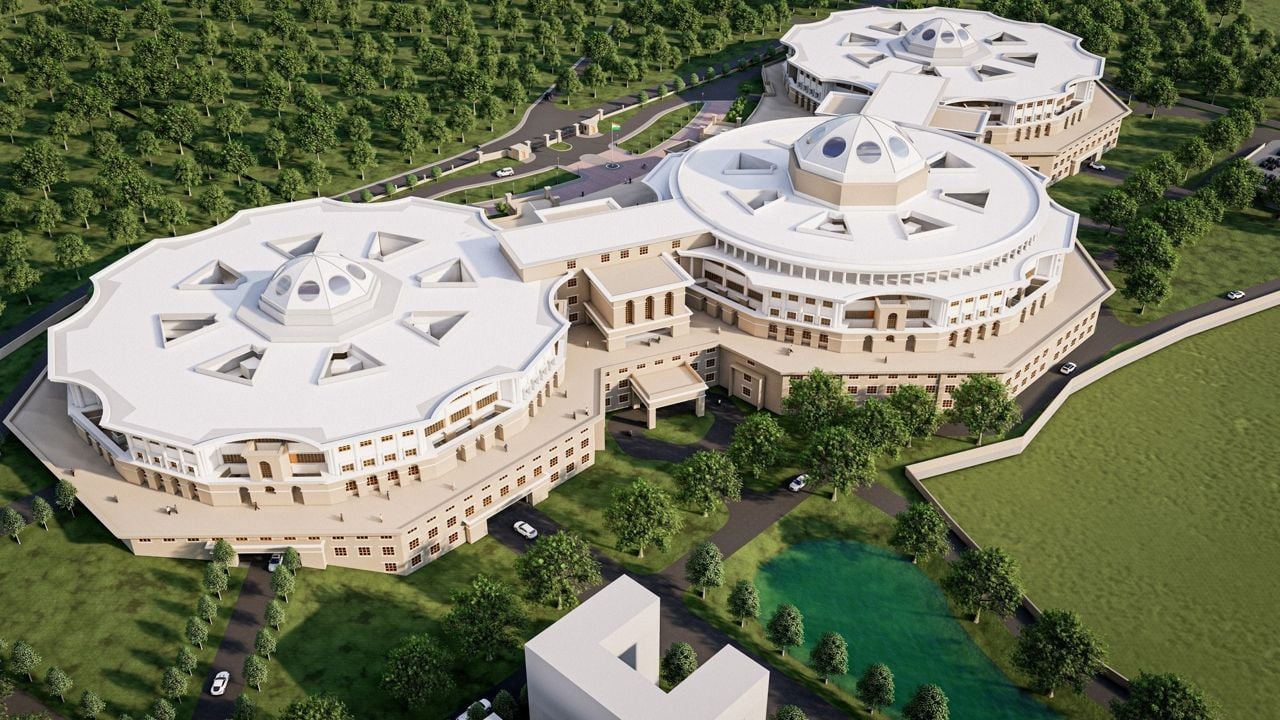
The Judicial City will feature 61 court halls, including the Chief Justice’s court, Registrar’s office, auditorium, rooms for various committees, administrative facilities, a library block, arbitration center, recruitment cell, IT department, and information center. Additional provisions include the Advocate General’s office, lawyers’ chambers, parking facilities, and rainwater storage.
The total project cost, including land acquisition and construction, is estimated at over Rs 1,000 crore. The Home Department has also been asked to explore possibilities for central assistance and initiate preliminary steps.
Kalamassery was chosen after detailed site inspections with High Court judges, considering accessibility for all sections of the public, travel convenience, and the geographical significance of the location. The need for a new facility arose because the current High Court premises face space limitations and cannot be expanded. The requirement to await notification from the Ministry of Environment regarding eco-sensitive zones also contributed to selecting a new site.



Related News
Dont Miss it










0 comments