
Mark Carney's Liberal Minority: What’s Next for Canada’s Leadership and Politics?

Web desk
Published on Apr 29, 2025, 06:16 PM | 4 min read
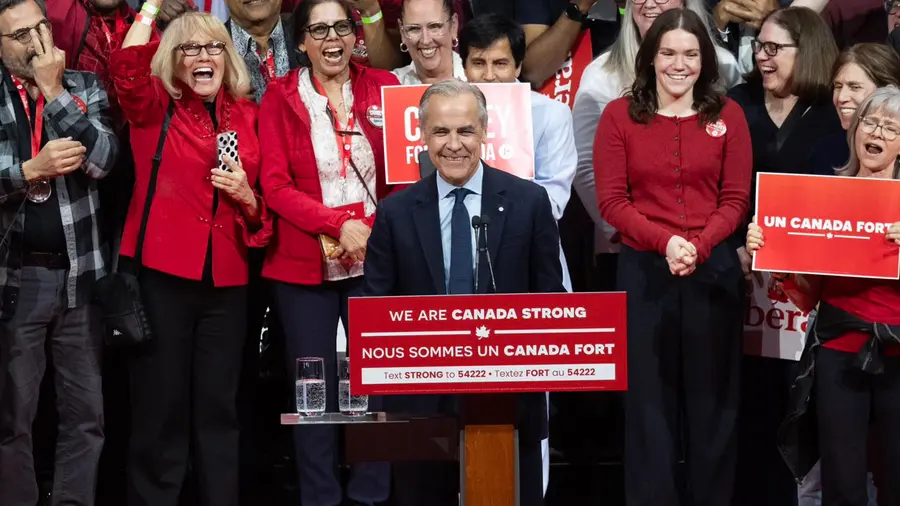
Mark Carney’s Liberal Party has secured 167 of the 343 seats in Canada’s federal election on Monday, falling just five seats short of an outright majority. This victory ensures the Liberals’ fourth consecutive term in office, but it will be under the challenging conditions of a minority government. The outcome sets the stage for intense political negotiations, as Carney’s government will need to rely on the support of other parties to push through its legislative agenda.
Who Did Canadians Vote For?
In Canada’s federal election, voters chose representatives for all 343 constituencies. The candidates who finished first in each constituency won, regardless of whether they secured a majority of votes. The Liberals won 167 seats, the Conservatives claimed 145, and the remainder went to smaller parties and independents. A party needs 172 seats for a majority, so the Liberals will govern as a minority, depending on the cooperation of other small parties to pass legislation.
How Is the Prime Minister Chosen?
Canada’s Prime Minister is not directly elected by the public. Instead, after the election results are confirmed, the Governor General invites the person most likely to command the confidence of the House of Commons to form a government. In practice, this is almost always the leader of the largest party—in this case, Mark Carney—even without a majority. This convention ensures that the sitting Prime Minister remains in office until a formal change occurs at Rideau Hall.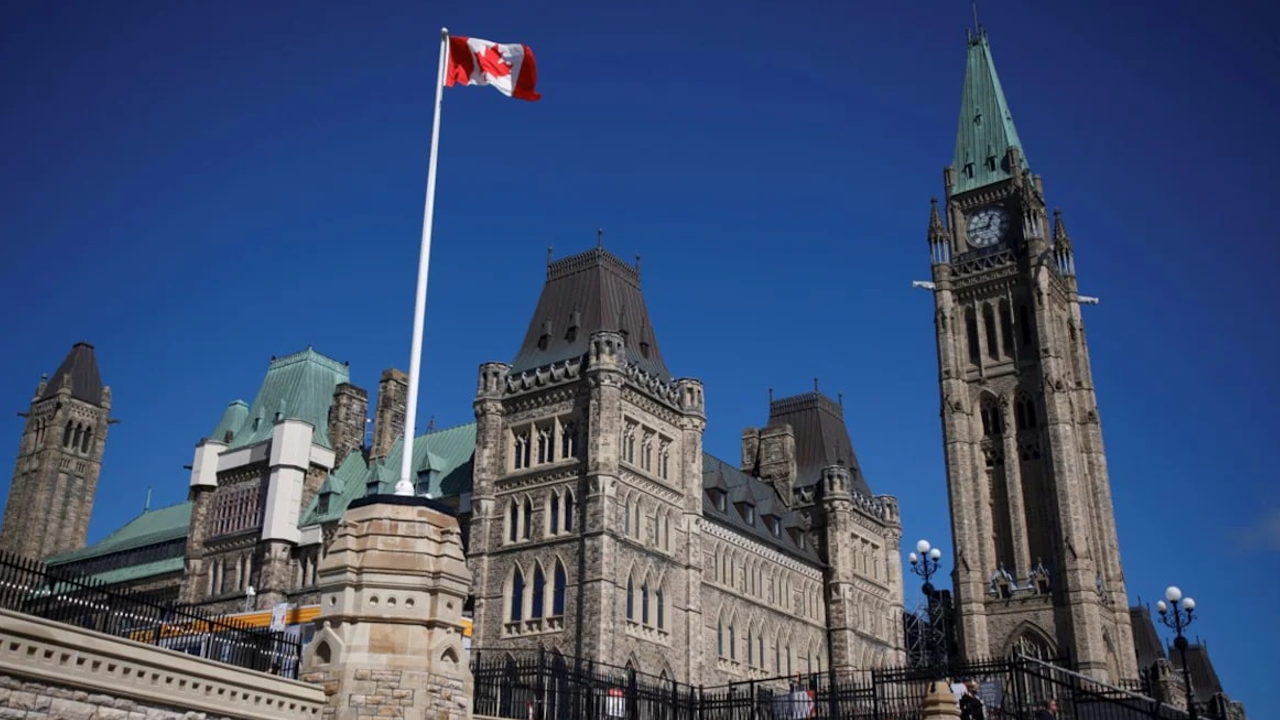
When Will Canada Have Its New Prime Minister?
Carney will continue as caretaker Prime Minister immediately after the election. Within days of the final results being certified, he will visit Rideau Hall to receive the Governor General’s formal invitation to form a government. A swearing-in ceremony for Carney and any new or reshuffled ministers will follow shortly thereafter. Parliament is expected to reconvene in late May, at which point MPs will be sworn in, a Speaker will be elected, and the Speech from the Throne will be delivered. This address serves as a confidence motion, confirming or challenging Carney’s mandate.
What Happens Next in Parliament?
Once sworn in, Carney’s cabinet will assume full authority, though routine “caretaker” conventions will apply until that time. After MPs elect the Speaker, the government will outline its legislative priorities in the Throne Speech. Defeating or passing this speech in the House of Commons will serve as a de facto confidence vote: success will solidify the new government, while failure could lead to further negotiations or even another election.
What Challenges Will the New Government Face?
Carney and his government will face both external and internal challenges.
Externally, the most pressing issue will be managing Canada’s strained relationship with the United States. President Donald Trump has repeatedly threatened steep tariffs and even suggested that Canada should become the 51st state, adding to the diplomatic tensions.
Internally, the new government will need to tackle rising food and housing prices, alongside a surge in immigration, which will require careful economic and social planning.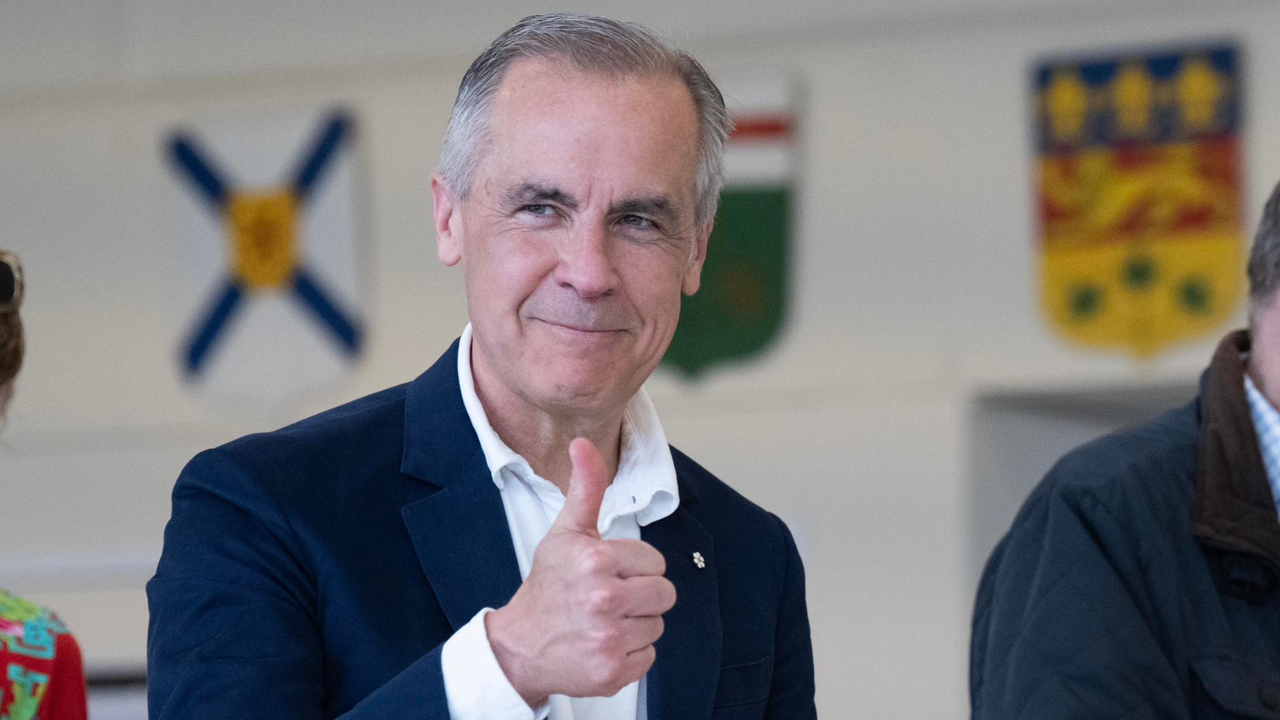
Carney’s Experience
At 60, Carney is a political newcomer, but his résumé is built on years of crisis management in central banking. He served as the Governor of the Bank of Canada from 2008 to 2013 and as the Governor of the Bank of England from 2013 to 2020. During his tenure, he earned a reputation for steady leadership in times of global financial turmoil. Since taking the helm of the Liberal Party in March, Carney has positioned himself as uniquely suited to manage Canada’s trade tensions with the United States, particularly in light of President Trump’s threats and annexation rhetoric.
The next few months will be critical for Carney as he navigates the complex political landscape ahead and works to secure the support necessary to maintain stability and progress within his minority government.



Related News
Dont Miss it









0 comments