
Trump’s Proposed 25% Tariff on Indian Goods Sparks Concerns Across Trade and Industry
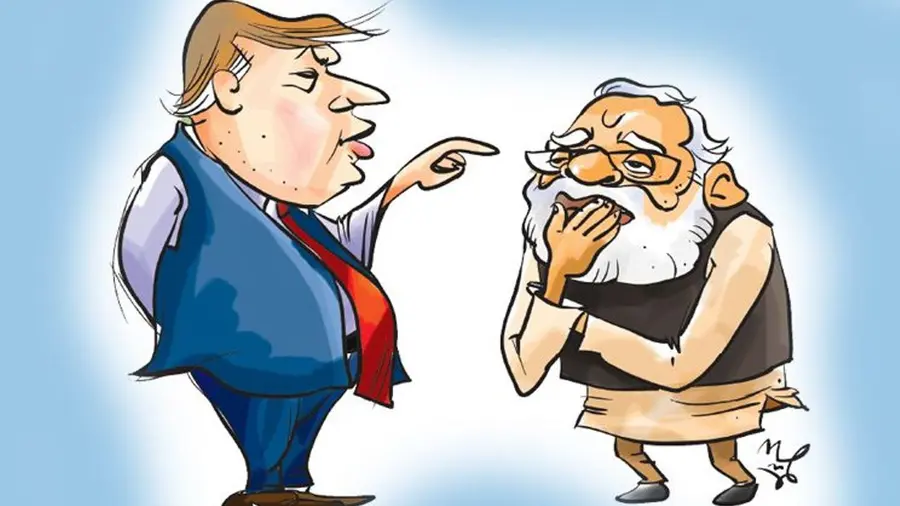
New Delhi: US President Donald Trump's latest import tariff announcement has triggered serious concerns across India's trade and industrial sectors. The US is planning to impose tariffs of up to 25 per cent on Indian products. The condition that the rate would be reduced to 17 per cent only if India signs a bilateral trade agreement with the US is being viewed as a strong pressure tactic against New Delhi.
The latest move comes as trade negotiations initiated between Prime Minister Narendra Modi and Trump in February 2025 continue to remain inconclusive. Washington is sending a clear message that India could face serious consequences if it refuses to make concessions during the negotiations.
The proposed tariffs are expected to deal a major blow to India's traditional export sectors once they come into force. The US is India's largest export market. Several traditional and industrial sectors that depend heavily on labour could face a crisis following the implementation of the new duties.
Export growth in the textile and marine products sectors, which provide livelihoods to lakhs of workers, is likely to be severely affected. Exports of marine products, including shrimp, could take a major hit. The move could also pose a significant challenge to Kerala's fisheries and seafood processing sectors. With a 25 per cent tariff on textiles and garments, Indian products would become more expensive in the US market, reducing their competitiveness.
Additional duties on gems and jewellery, among India's major export commodities, could reduce profit margins for exporters in the sector. Although electronics, energy products and pharmaceuticals have been temporarily exempted, solar modules, medical devices, various engineering products and construction materials will also come under the new tariffs.
India Faces Disadvantage
The 25 per cent tariff India would face if it does not sign the agreement is significantly higher than the rates proposed for several other Asian countries. The US has proposed a 15 per cent tariff for Japan, South Korea and Taiwan, while Bangladesh, Indonesia, Malaysia and Thailand face a proposed rate of 18 per cent.
Even if a trade agreement brings India's tariff rate down to 17 per cent, the reduction would come only in exchange for significant concessions, including opening up the Indian market to US products.
Will Centre Yield to Pressure?
As the new tariffs are scheduled to come into effect only in teh first quarter of 2027, the industry expects exporters to maintain their position by accelerating shipments until then.
However, if the Union government yields to US pressure and enters into an agreement that compromises national interests, it could have serious consequences for India's agricultural and industrial sectors.
Concerns are also mounting over whether the Centre will give in to Washington's long-standing demand to open the Indian market to US agricultural and dairy products, as well as genetically modified crops.



Related News
Dont Miss it









0 comments