
Supreme Court Bans NCERT Class 8 Textbook Over Judicial Corruption Reference, Issues Show Cause Notices
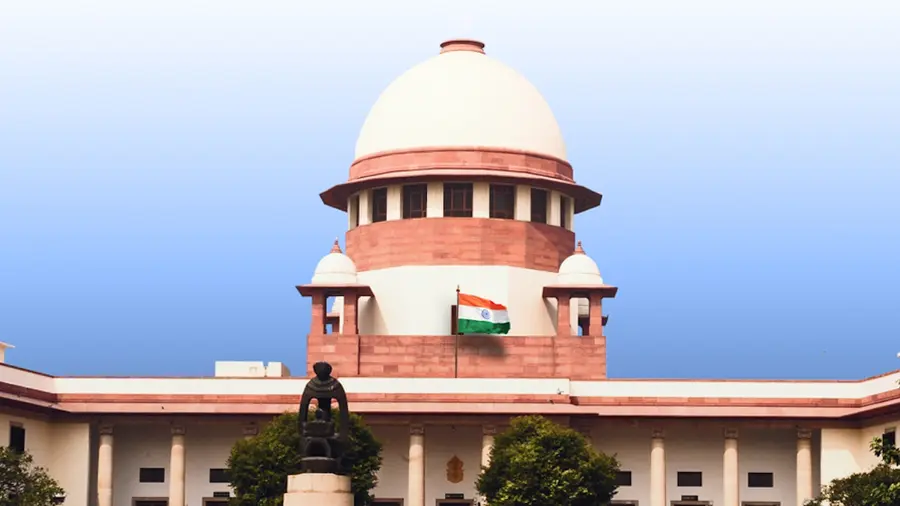
New Delhi: The Supreme Court has imposed a complete ban on an NCERT Class 8 textbook that included references to “corruption in the judicial system.” The Court ordered the immediate seizure of all physical copies and directed that digital versions be removed from online platforms without delay.
A bench headed by Chief Justice Suryakant issued the directive after taking suo motu cognisance of the matter. The Court observed that the inclusion of such content appeared to be a “planned attempt” to undermine the dignity of the judiciary and defame the institution.
The bench warned both the Centre and state governments to strictly implement the order, stating that any failure to comply would invite stringent action.
Show Cause Notices Issued
The Court sent show cause notices to the Director of NCERT and the School Education Secretary, asking them to explain why action should not be initiated against those responsible for the content.
The bench noted that NCERT, in its earlier explanation, had not expressed regret but instead attempted to justify the inclusion of the text. The Court stated that actions with far-reaching consequences for the judiciary could fall within the ambit of criminal contempt.
Chief Justice Suryakant remarked that there appeared to be a “deep and deliberate conspiracy” behind the move and asserted that those responsible would not be allowed to escape accountability.
“As the head of the institution, it is my duty to find those responsible for this,” the Chief Justice said.
Centre’s Apology Rejected
During the hearing, Solicitor General Tushar Mehta sought to tender an unconditional apology on behalf of the Union Education Ministry. However, the Court observed that the matter required a thorough investigation and did not accept the apology at this stage.
The case has been adjourned to March 11 for further hearing.
The Centre earlier submitted that only 32 copies of the textbook had been released in the market. However, the Court directed that even those copies be seized immediately, emphasising the need for a deeper probe to determine whether there was any specific agenda behind the content.
Political Reactions and Broader Debate
The controversy has triggered sharp political reactions. Critics have alleged that recent textbook revisions reflect ideological motivations and selective historical interpretations.
Opposition voices have accused the authorities of distorting historical narratives, including representations of the Mughal period, the British colonial era, and the Indian freedom struggle. Some have also raised concerns about the removal or modification of references to key national leaders.
Supporters of the revisions, however, have argued that curriculum changes are part of broader educational reforms.
The Supreme Court’s strong observations in the present case have intensified the debate surrounding textbook content and institutional accountability.



Related News
Dont Miss it








0 comments