
National
Who Boycotted the 1947 Independence Day Celebrations?

Sreekumar Sekhar
Published on Aug 16, 2025, 10:50 AM | 4 min read
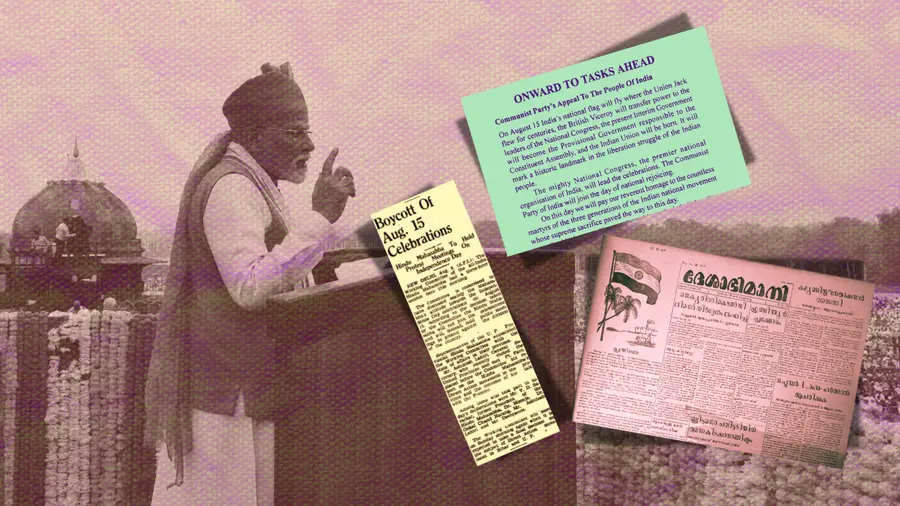
Yesterday on the occasion of India's 79th Independence Day yesterday, Prime Minister Narendra Modi used his address from the Red Fort to commemorate the 100th anniversary of the Rashtriya Swayamsevak Sangh (RSS). Hailing its journey as “very proud and glorious,” Modi described the RSS as “the world’s largest NGO.” A former pracharak of the organization himself, the Prime Minister praised its discipline, spirit of voluntary service, and dedication to vyakti nirman (character building) and rashtra nirman (nation building).
What was the RSS doing when India was about to embark on its journey of Rashtra Nirman ?
After a long struggle, India’s independence was officially declared on August 15, 1947. A recurring question is whether any organization in India boycotted the celebrations on that historic day. Some even ‘authoritatively’ claim that it was the communists who observed the day as a “black day. Such statements, delivered with supposed historical authority, have even found traction among certain cultural figures.
But what do the archives actually say?
The first week of August 1947 was filled with nationwide excitement and pride. Numerous documents in the National Archives detail the planning for the celebrations — discussions on how the event would be conducted, directives on where flags should be hoisted, and orders for the production of commemorative items. Among these documents, one notable news report stands out.
Published in The Bombay Chronicle on August 10, 1947, the headline read:
“Boycott of August 15 Celebrations — Hindu Mahasabha to Hold Protest Meetings on Independence Day”
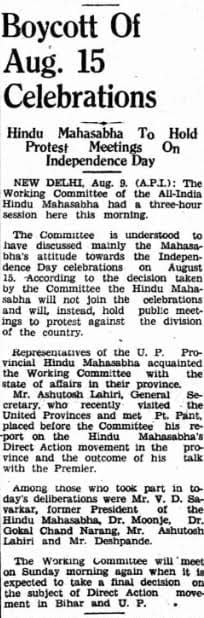
The report read:
“The Working Committee of the All-India Hindu Mahasabha met here this morning for three hours... According to the decision taken by the committee, the Hindu Mahasabha will not participate in the Independence Day celebrations. Instead, public meetings will be held across the country in protest against the partition of the nation.”
Presiding over this ‘patriotic’ gathering was none other than Vinayak Damodar Savarkar, a figure now venerated by sections of the political right who demand he be awarded the Bharat Ratna. This, of course, is the same Savarkar who, famously, submitted seven clemency petitions to the British and secured his early release from the Andaman Cellular Jail.
Predictably, the RSS (Rashtriya Swayamsevak Sangh) followed the stance of the Hindu Mahasabha. They too boycotted the Independence Day celebrations, declining to participate in what the rest of the nation saw as the culmination of a centuries-long anti-colonial struggle.
Now, turning to the Communist Party: while the Communist Party’s political and ideological differences with the Indian National Congress were well-known—especially its emphasis on class struggle and the pursuit of a truly exploitation-free, egalitarian society—it did not adopt a reactionary or isolationist stance regarding Independence.
In August 1947, the CPI Central Committee issued a statement titled:
“The Tasks Ahead — Take Them Up and March Forward: An Appeal by the Communist Party of India to the People of India”
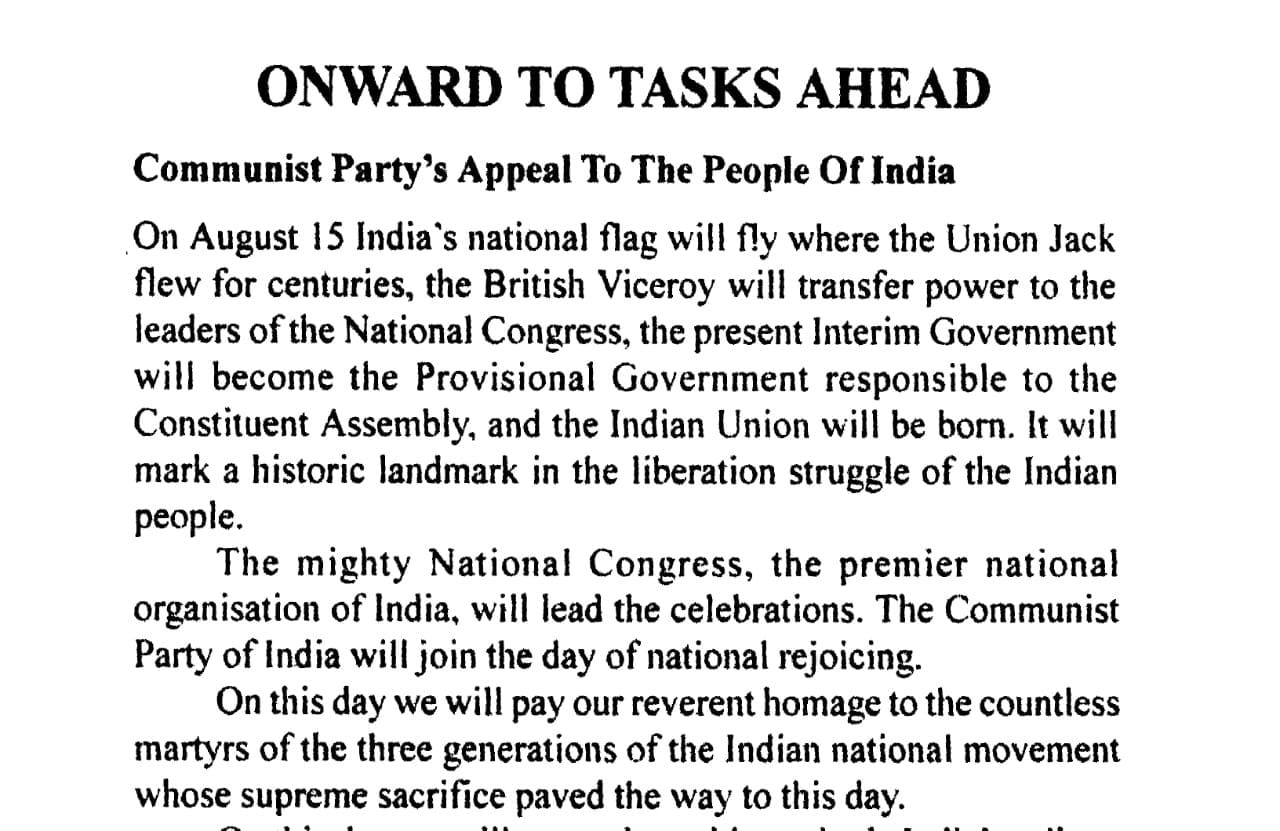
It began:
“On August 15, the Indian national flag will fly in places where the Union Jack had flown for centuries. The British Viceroy will transfer power to the leaders of the Indian National Congress. The current interim government will become a provisional government accountable to the Constituent Assembly. The Indian Union will be born. This will mark a historic milestone in the people's struggle for liberation.”
It further stated:
“The Indian National Congress, an important national organization in India, will lead the celebrations. On this day of national jubilation, the Communist Party of India will also join in.”
And so they did.
In Bombay, the national flag was hoisted at the CPI headquarters. In Kerala, the party organized large-scale public celebrations. Notably, Deshabhimani, the party's newspaper, resumed publication on August 12, 1947, after being banned for eight months. The front page of the August 15 issue proudly displayed an image of the national flag and the Independence Day pledge. The August 17 edition reported in detail on the enthusiastic celebrations organized by the party. In Kerala, too, celebratory programs were held with patriotic fervor.
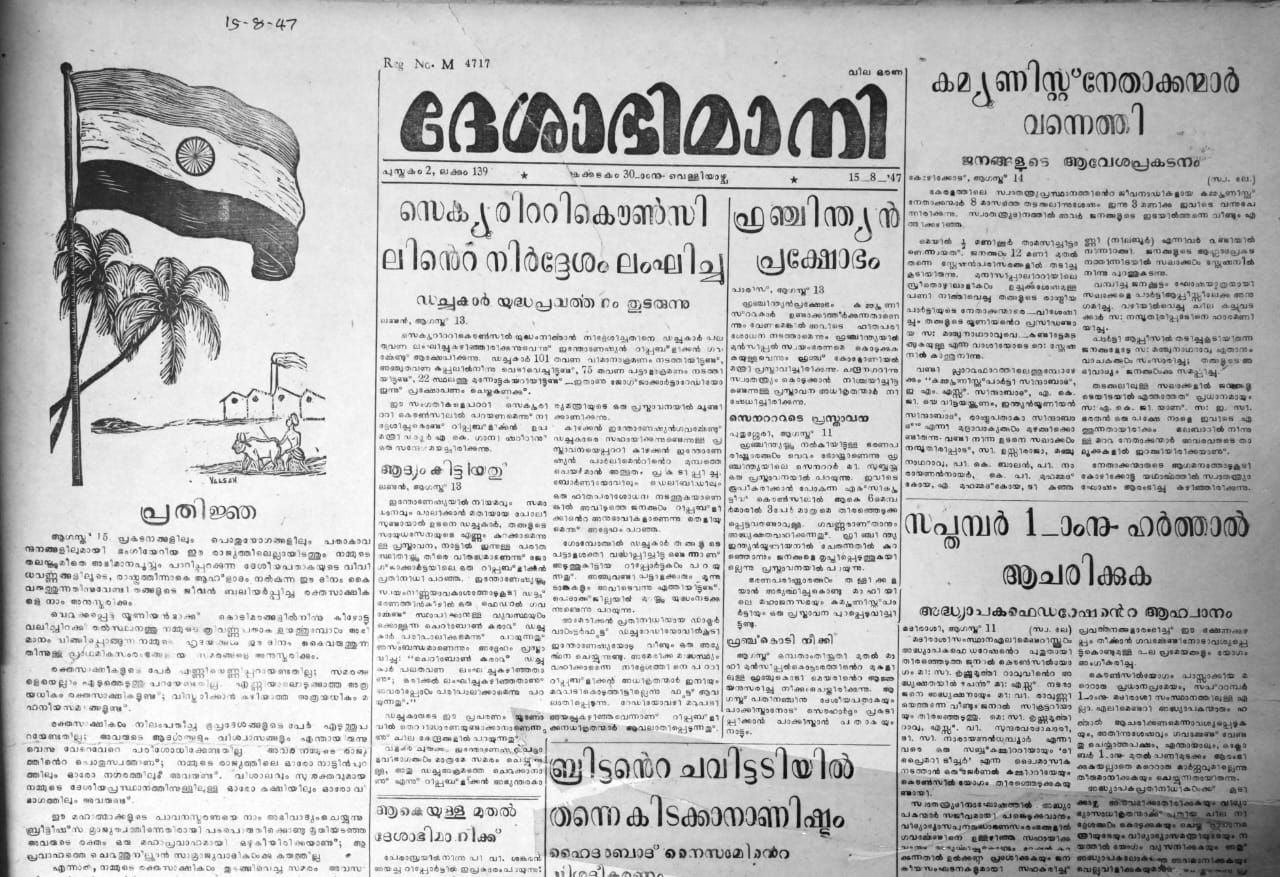
“The celebrations began from midnight on the 14th itself. Hundreds of local people waited sleeplessly at the party office to participate in the flag-hoisting ceremony held after midnight. At the exact time, Comrade K.E. Keralappan — a peasant leader who had led the Malabar peasants underground for eight months against the Public Safety Act — hoisted the tricolor flag on the towering flagpole in front of the party office,”
— the report said.
Contrary to revisionist fables and politically convenient myths, it wasn’t the Communists who stayed home.
The only political formation chose to boycott India's first Independence Day—the ideological forebears of today’s Sangh Parivar, while the rest of the country celebrated the dawn of freedom.


Related News
Dont Miss it




0 comments