
RBI Cuts Repo Rate to 5.25%, Projects Lower Inflation and Higher GDP Growth
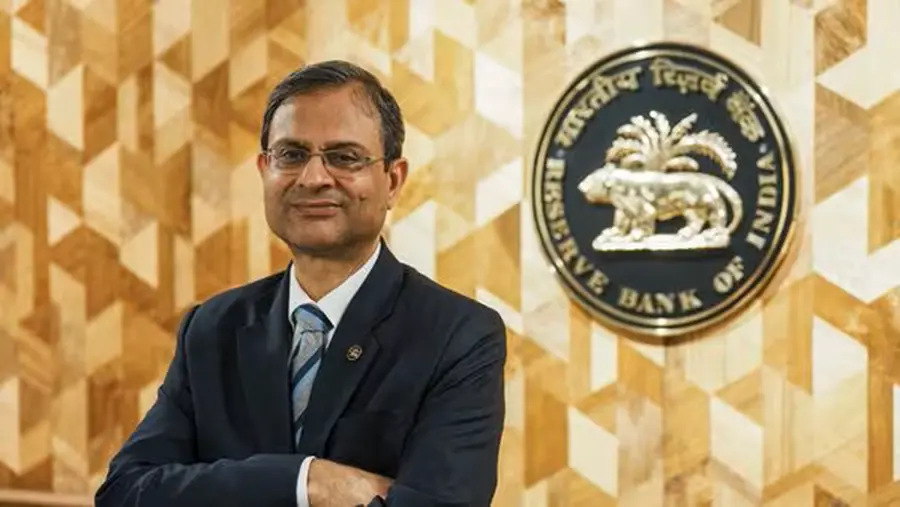
New Delhi: The Reserve Bank of India (RBI) has reduced the repo rate by 25 basis points, bringing it down from 5.5% to 5.25%. The decision came after a three-day meeting of the Monetary Policy Committee (MPC), which convenes once every two months. The move comes at a time when the Indian rupee is facing severe depreciation.
RBI Governor Sanjay Malhotra clarified that the central bank does not target any specific band for the foreign exchange market. The RBI allows the domestic currency to find its own appropriate level, he explained.
Market volatility continues to persist, Malhotra said, adding that the RBI’s attempt is to minimize any abnormal or excessive fluctuations.
The reduction in the repo rate is expected to make home loans cheaper, boosting housing demand. This is also expected to strengthen the real estate sector.
After the severe recession caused by the COVID-19 pandemic in 2020 and 2021, home sales have seen steady growth over the past three years (2022–24).
Following the repo rate cut, monthly EMIs and loan tenures may come down. The next meeting of the MPC will be held in February 2026.
Inflation Outlook
Inflation for the first quarter of the 2026–27 financial year has been projected at 3.9%, lower than the previous estimate of 4.5%.
RBI has sharply raised its GDP growth projection for the current financial year from 6.8% to 7.3%. GDP growth for the current quarter (October–December) has also been revised upward to 6.7%, compared to the earlier estimate of 6.4%.
GDP Claims Spark Debate
The previous quarter recorded 8.2% growth — the highest in six consecutive quarters. However, India’s GDP calculation and claims have recently become a topic of controversy.
Despite the high growth figures, the World Bank categorised India’s growth under a lower ranking, stirring debate.
India announces its GDP figures four times a year — one for each quarter (Q1 to Q4). Q1: April to June, Q2: July to September, Q3: October to December, Q4: from January to March.
The recently announced Q2 figure showed India’s GDP growth at 8.2% for July–September.
During the same quarter last year, growth was 5.4%. Many economists expressed scepticism over such a steep increase. The World Bank’s revised ranking followed soon after, intensifying the debate.



Related News
Dont Miss it










0 comments