
RBI Proposes New Digital Payment Safety Rules to Prevent Fraud
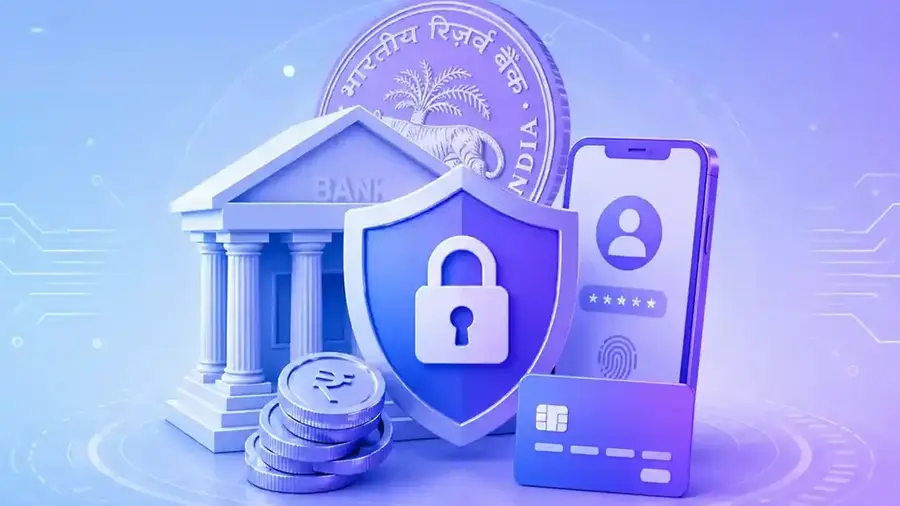
Mumbai: The Reserve Bank of India (RBI) has issued draft proposals to prevent digital payment fraud and strengthen consumer protection. The proposed amendments aim to give customers greater control over their bank accounts and digital payment systems while tightening banks' accountability in cases of fraud.
Banks and members of the public can submit their comments on the proposals until December 14, 2026.
One of the key proposals is a facility that allows customers to block all outgoing transactions from their accounts at once. If customers suspect that their account details have been compromised, they can immediately activate a 'stop switch' to freeze all outgoing transactions, new UPI registrations and auto-debit instructions. However, the facility will not affect incoming payments or existing obligations such as loan EMIs.
To provide additional security for high-value transactions, customers can register a trusted person aged above 18. Transactions exceeding a limit set by the account holder will require this person's approval. If approval is not granted within one hour of receiving the notification, the transaction will be cancelled. However, the trusted person will not have access to the account balance or other financial details. This provision will not apply to UPI transactions or payments made to merchants.
Customers will also be allowed to set their own limits for individual transactions, total daily transactions and transfers to individual beneficiaries. They can also configure digital payment channels to remain inactive during specified hours.
Internet banking and mobile banking services can be switched off when not required and activated whenever necessary. Digital channels will be disabled by default when a new account is opened.
Customers will also be able to separately control and set limits for international transactions, online payments and contactless transactions on debit, credit and prepaid cards.
The RBI has proposed stricter accountability for banks in cases of negligence. Security lapses, failure to send transaction alerts on time, absence of a 24-hour mechanism for reporting fraud and delays in addressing complaints will be treated as instances of bank negligence.
Banks will also be held responsible for frauds carried out with the assistance of their employees.
The new guidelines are proposed to come into effect from July 1, 2027. However, key provisions relating to bank negligence will take effect from January 1, 2027. The proposals will primarily apply to commercial banks.
Tags



Related News
Dont Miss it









0 comments