
National
Housing Rights Convention in Delhi Demands Immediate Action Against Slum Demolitions

Anusha Paul
Published on Aug 18, 2025, 01:30 PM | 5 min read
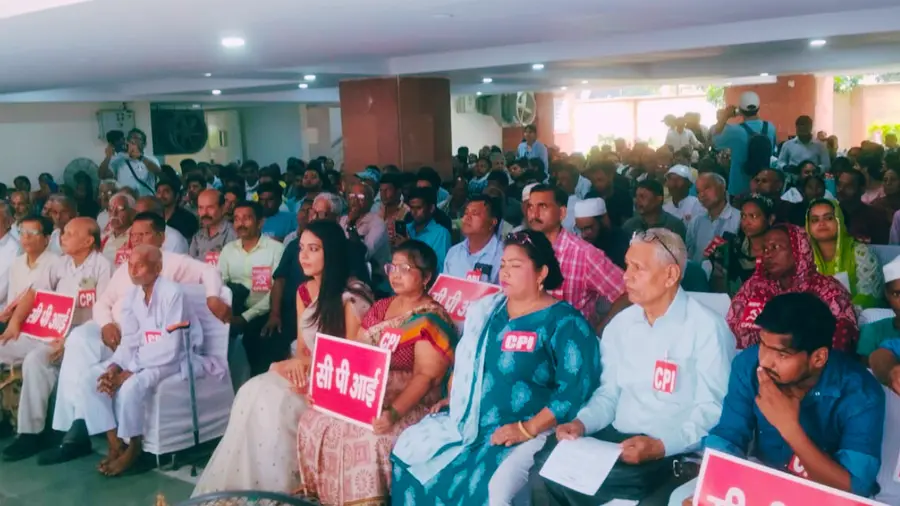
New Delhi: Yesterday on August 17, 2025, the left parties and other social organisations convened a Housing Rights Convention at Harkishan Singh Surjeet Bhawan. The convention focused on raising awareness and mobilising support against the ongoing demolition of slum settlements and labour colonies in the capital, while advocating for the fundamental right to dignified housing for the working class.
Anurag Saxena, the Delhi State Secretary of the Communist Party of India (Marxist) [CPI(M)], addressed the gathering and criticised the government's actions over the past few months. He said that the Delhi government, with the support of court orders, has been demolishing labourers' homes under the guise of clearing "illegal" settlements, green belts, and government land.
Anurag pointed out that, "While a few families have been given new housing, the majority are being denied their basic rights, citing a lack of documentation. We will not tolerate this injustice and will fight for the rights of these workers."
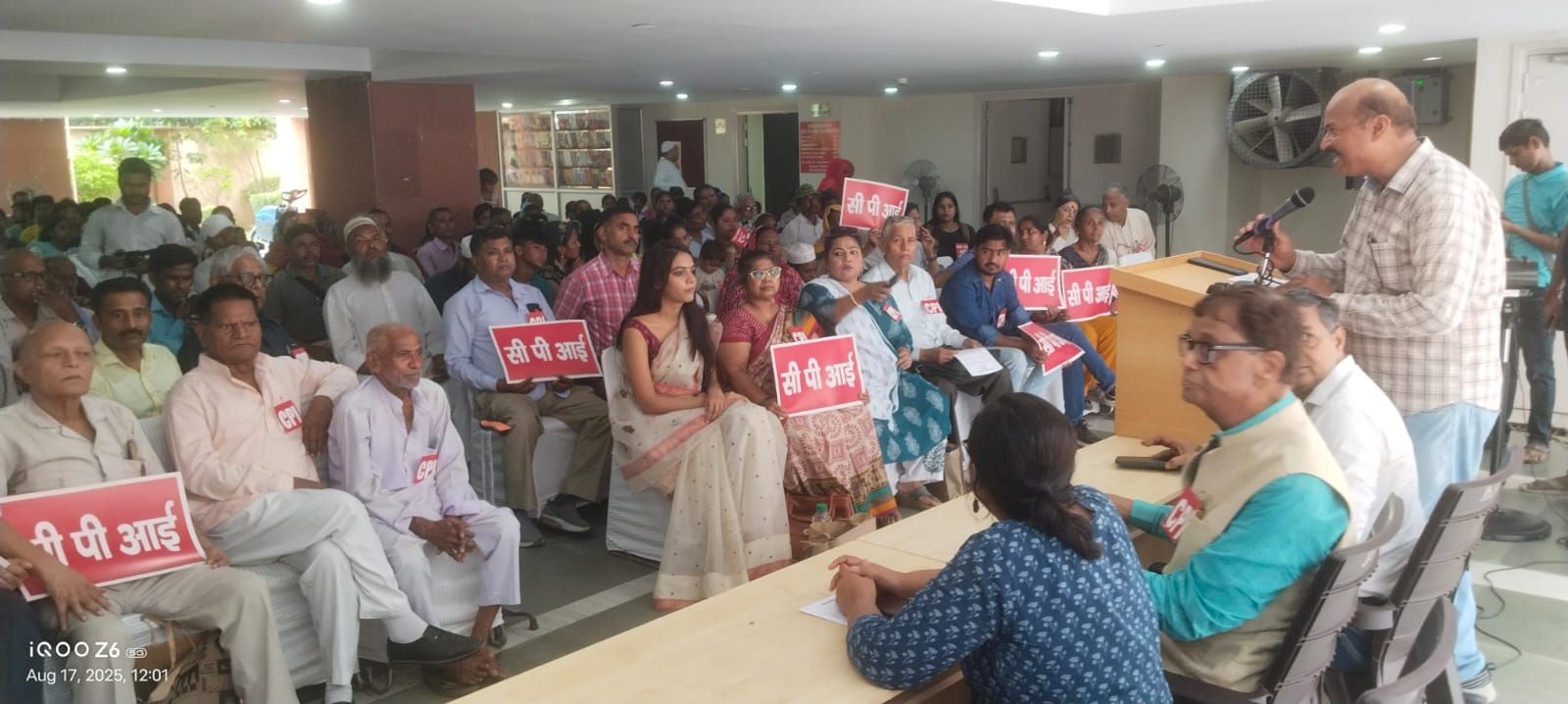
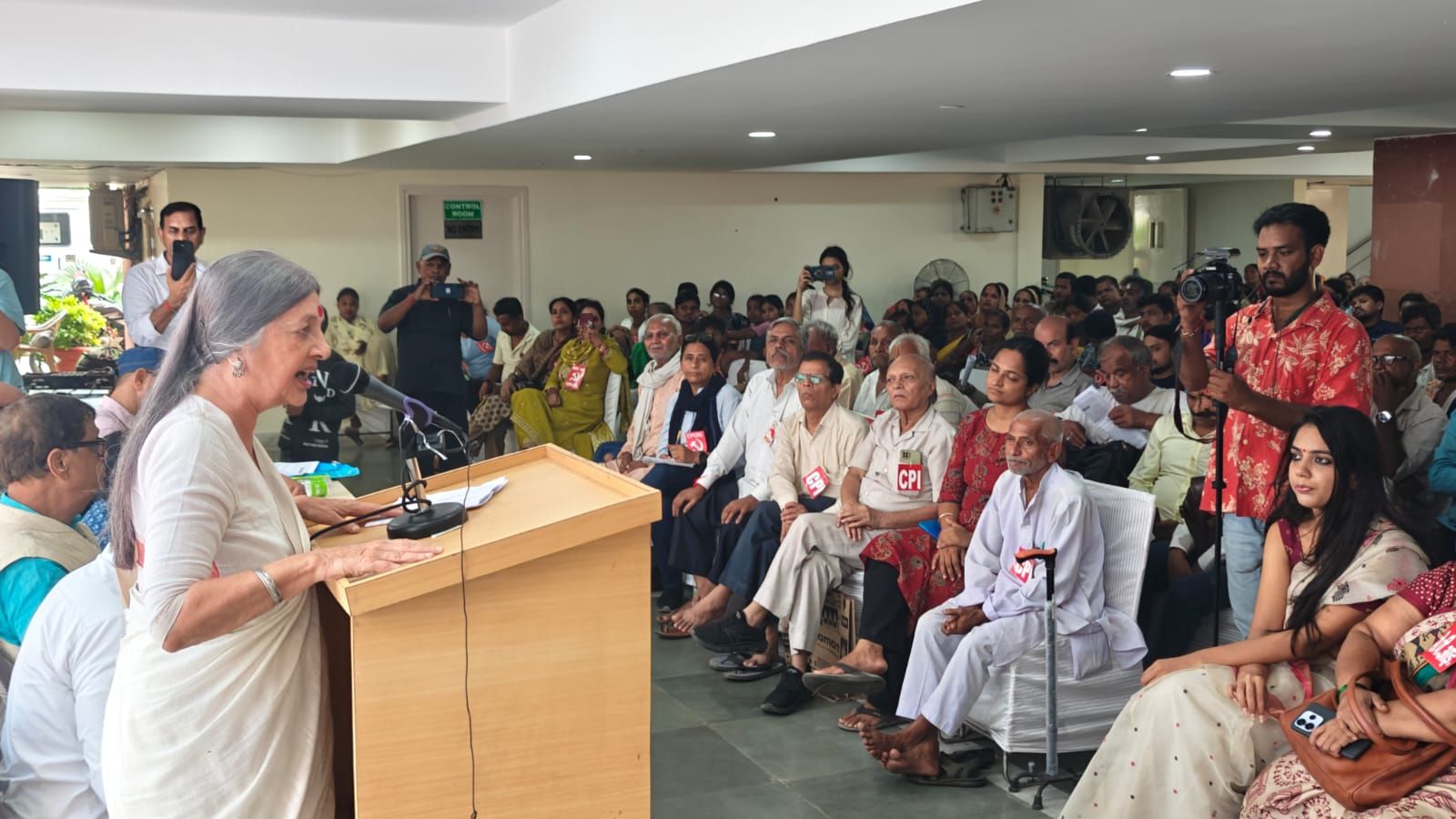
Brinda Karat, former Member of Parliament and sernior CPI(M) leader, criticized the union and Delhi governments for favouring the capitalist class at the expense of the working poor.
"The right to housing is a fundamental human right, and it is essential that workers living in Delhi's slums unite to secure this right. The government’s actions only serve the interests of the wealthy, not the people," Brinda said.
Apart from Anurag Saxena and Brinda Karat, Suchita De from Communist Party of India (Marxist-Leninist), Shankar Lal from Communist Party of India, Shatrughan Singh from Revolutionary Socialist Party, Hari Shankar from Forward Block, and Birju Nayak from Communist Ghadar Party of India all voiced concerns over the government’s discriminatory policies.. These leaders criticised the government's discriminatory policies and warned that failure to address the housing crisis would lead to a large-scale protest across Delhi.
Advocate Anupradha, who has represented slum dwellers in court, pointed out the flaws in the government's housing policies and called for more legal action to protect the rights of those affected by the demolitions. She stressed that the policies in place were failing to provide a sustainable solution for displaced families.
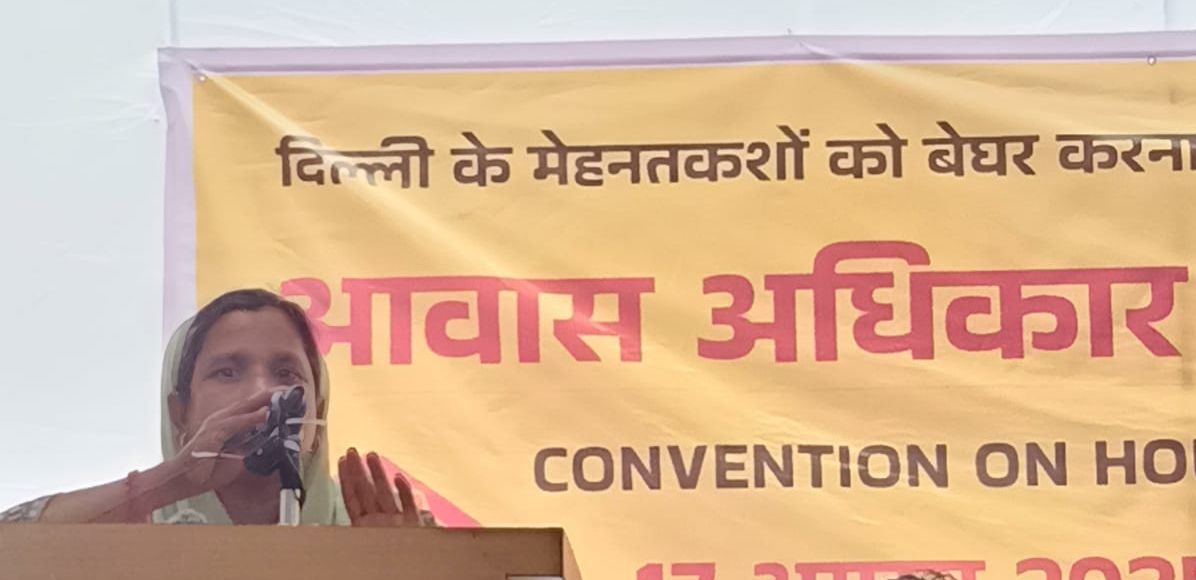
Shreya, a member of Jay Hind Camp, raised the issue of electricity disconnections that have been affecting slum dwellers since July 8, 2025. According to Shreya, the lack of essential services is exacerbating the plight of the marginalised communities, leaving them without basic living conditions. The convention also brought up a promise made by Chief Minister Rekha Gupta, who had previously assured the displaced families that they would be provided with adequate housing. However, the participants at the convention expressed their concerns that this assurance may not be fulfilled.
Anurag warned, "If the government goes back on its word, it will not be tolerated. We demand that the Chief Minister honor her commitment and ensure that slum dwellers are given dignified housing."
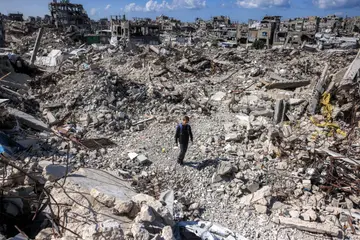
Over the past several months, the Delhi government, with the support of court orders, has targeted slum settlements, labour colonies, and other housing areas, justifying the actions as part of urban development and environmental conservation. These areas, home to working-class and migrant labourers, have been labelled as "illegal" and "encroaching" on green belts, government land, and other strategic zones.
However, the execution of these demolitions has been chaotic and largely uninformed, with most displaced families left without adequate housing options or relocation plans. Despite promises from Delhi's Chief Minister, Rekha Gupta, to provide housing for the affected, many families continue to face uncertainty, with only a handful of families receiving relocation assistance.
The demolition drive not only exacerbates the already critical housing crisis in Delhi but also highlights a larger systemic issue—the disregard for the rights of the urban poor in order to provide the land for the rich.
There have been multiple reports suggesting that land occupied by slum dwellers, especially in prime areas, is being cleared and handed over for commercial development.
In some instances, the cleared land is being repurposed for luxury real estate, office spaces, and high-end commercial complexes, often through public-private partnerships (PPPs). Notable examples include land near the Yamuna River and areas in central Delhi, where large corporations and real estate developers have been given access to land after slum demolitions.
With major real estate firms like DLF, Omaxe, and Raheja Developers already showing interest, the Delhi government is moving to institutionalise slum redevelopment under the Public-Private Partnership (PPP) model. Central to this effort is the Delhi Development Authority’s (DDA) "In-Situ Slum Redevelopment and Rehabilitation on Public-Private Partnership model 2019 (ISSR)," which aims to unlock the value of land currently occupied by slums and rehouse eligible residents.
Under this model, private developers are granted a significant share of redeveloped land—48% for parcels between 5 and 50 acres, and up to 60% for those exceeding 50 acres—raising serious concerns about the transfer of public land to corporate interests. While framed as a solution to the housing crisis, this model risks reinforcing a troubling trend: the displacement of the urban poor to make way for private development, with studies showing that 41% of land cleared from informal settlements has historically been repurposed for private real estate projects. Without genuine safeguards for the rights and rehabilitation of displaced communities, such redevelopment schemes will serve more as a mechanism for land transfer to private entities than a commitment to dignified housing for all.



Related News
Dont Miss it








0 comments