
DGCA Withdraws Weekly Rest Rule After Massive IndiGo Cancellations
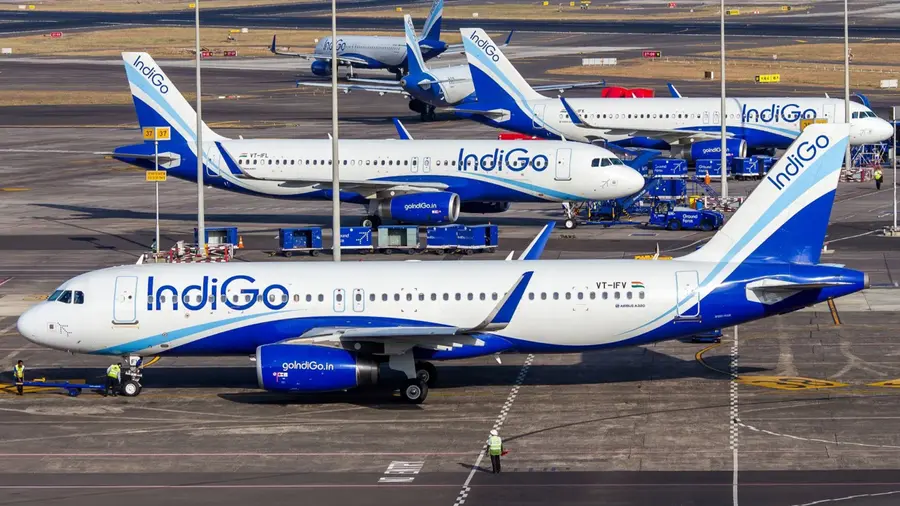
New Delhi: The Directorate General of Civil Aviation (DGCA) has withdrawn its recently introduced weekly rest rule for pilots after IndiGo suffered one of the worst operational breakdowns in its history, with more than 1,000 flights cancelled over the past four days across major airports in the country.
Airports in Delhi, Bengaluru and Hyderabad saw hundreds of departures and arrivals scrapped in rapid succession. In a notification issued on Friday, the DGCA said the instruction preventing airlines from counting a pilot’s leave as part of the mandatory weekly rest period has been withdrawn with immediate effect. The regulator said the move was necessary in view of the ongoing disruptions and appeals from airlines seeking stability in operations.
IndiGo, which has already cancelled all flights from Delhi until midnight and from Chennai until 6 PM, attributed the chaos to a combination of unexpected operational challenges—minor technical faults, winter schedule changes, congestion and adverse weather. However, aviation officials and industry observers point to the rollout of the revised Flight Duty Time Limitations (FDTL) rules as the primary reason behind the crisis.
The final phase of the FDTL framework, aimed at preventing pilot fatigue, came into effect on November 1. The new norms increased weekly rest from 36 to 48 hours and reduced permitted night landings per pilot from six to two. These changes significantly impacted pilot scheduling. Airlines, including IndiGo, had opposed the rules from the beginning, arguing that they would need to hire more pilots. Although the first phase of FDTL was introduced in July, some provisions were postponed to November following strong industry resistance. The matter even reached the Delhi High Court, which directed that the norms be implemented.
IndiGo, which operates more than 2,200 flights a day—around 60% of India’s domestic aviation market—was hit the hardest. Its extensive network, high number of night operations and shortage of pilots left little room to absorb the impact of the new rules. As a low-cost carrier, IndiGo had been functioning by using its existing pilots to the maximum possible extent, a model that the revised duty limits made unsustainable.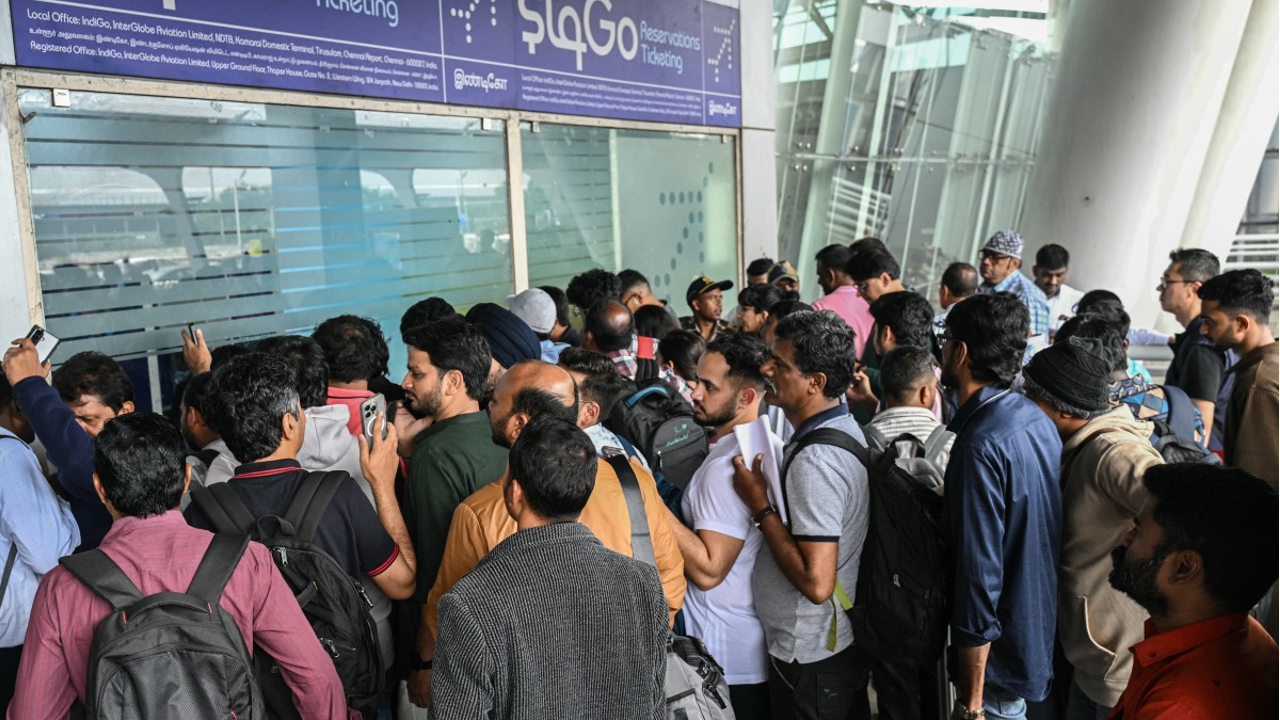
The Airline Pilots Association of India (ALPA) pointed out that airlines had nearly two years to prepare for the new DGCA norms announced in January 2024, yet planning gaps persisted. Industry sources allege that airlines allowed operations to stretch to a breaking point in an attempt to pressure the DGCA into relaxing the rules.
By Thursday, IndiGo admitted to aviation regulators that “misjudgment and planning gaps” in adapting to the fatigue rules had led to the operational collapse. The airline’s on-time performance fell to a historic low of 8.5%.
The scale of cancellations has been unprecedented. On Friday alone, Delhi saw 135 departures and 90 arrivals cancelled. Bengaluru Airport reported 52 arrivals and 50 departures scrapped, while Hyderabad recorded 92 cancellations. Nationwide, more than 600 flights were cancelled within 48 hours—one of the most severe disruptions in IndiGo’s 20-year history.
With a network of this size, even a 10% disruption can leave thousands of passengers stranded across the country, as witnessed over the past few days.



Related News
Dont Miss it










0 comments