
Pollution Pushes Delhi–NCR Residents to Consider Escape, Survey Finds
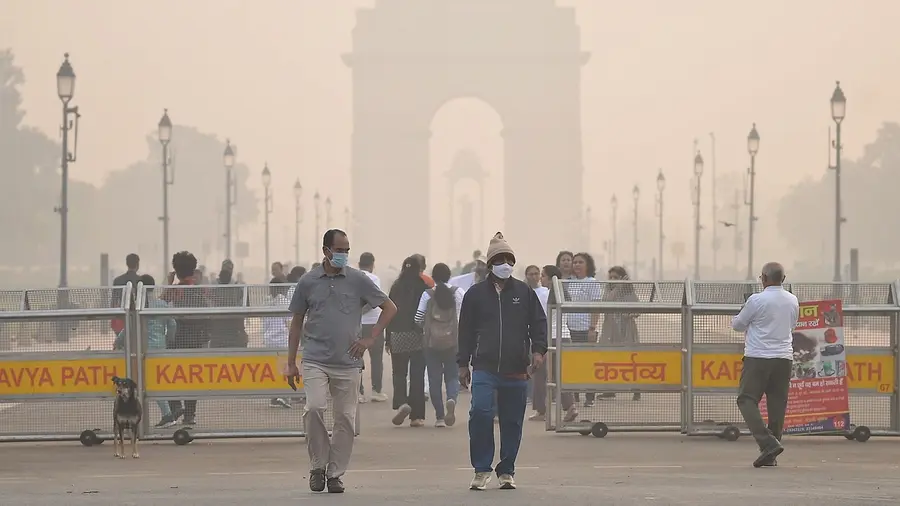
New Delhi: A recent survey has shown that over 80 percent of residents in Delhi and the NCR region are facing ongoing health problems such as chronic cough, severe fatigue, and breathing discomfort due to polluted air. The SmyttenPulseAI Survey reports that 68.3 percent of respondents sought medical treatment in the past year specifically for illnesses caused by air pollution, raising concerns of a growing public health crisis.
The findings also indicate major lifestyle changes. Around 76.4 percent of residents have significantly limited their time outdoors, with many families staying indoors to avoid exposure to the polluted atmosphere. The survey, conducted among 4,000 residents in Delhi, Gurugram, Noida, Ghaziabad, and Faridabad, reflects a stark reality of a region struggling with unhealthy air quality.
The report highlights that nearly 80 percent of those surveyed are either considering relocation or have already left the region due to pollution. Of them, 33.6 percent are seriously planning to move, 31 percent are actively considering it, and 15.2 percent have already shifted out of Delhi–NCR. Additionally, 37 percent have taken practical steps such as visiting properties in other cities, enquiring about schools, or making family decisions about moving away.
Preferred destinations include hill areas, smaller towns with fewer industries, and locations outside Delhi–NCR where people feel they can live without constantly monitoring air quality levels.
The survey also found that 85.3 percent of middle-class families reported increased household expenses due to pollution-related needs, with 41.6 percent facing considerable financial pressure.
Swagat Sarangi, Co-Founder of Smytten PulseAI, said that prolonged poor air quality is now affecting day-to-day life in Delhi–NCR, influencing health habits, financial priorities, and long-term decisions about where families choose to live. He stressed that the issue is no longer just an environmental topic, but something that directly affects quality of life, requiring sustained and collective efforts backed by data.



Related News
Dont Miss it








0 comments