
25 crore workers join nationwide strike against Modi government’s anti-labour, anti-farmer policies

Web desk
Published on Jul 09, 2025, 01:01 PM | 3 min read
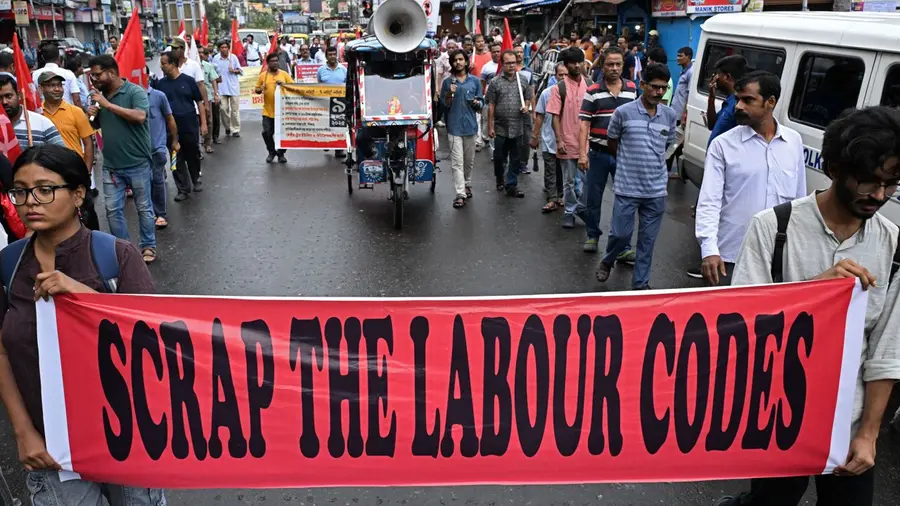
New Delhi/ Kerala: In a massive show of unity, around 25 crore workers, employees, farmers, and students participated in a nationwide general strike on Wednesday, called by the Joint Platform of Trade Unions. The strike, which began at midnight on Tuesday, was held in protest against the Modi government's anti-labour and anti-farmer policies, especially the imposition of four new labour codes that dilute hard-won worker protections.
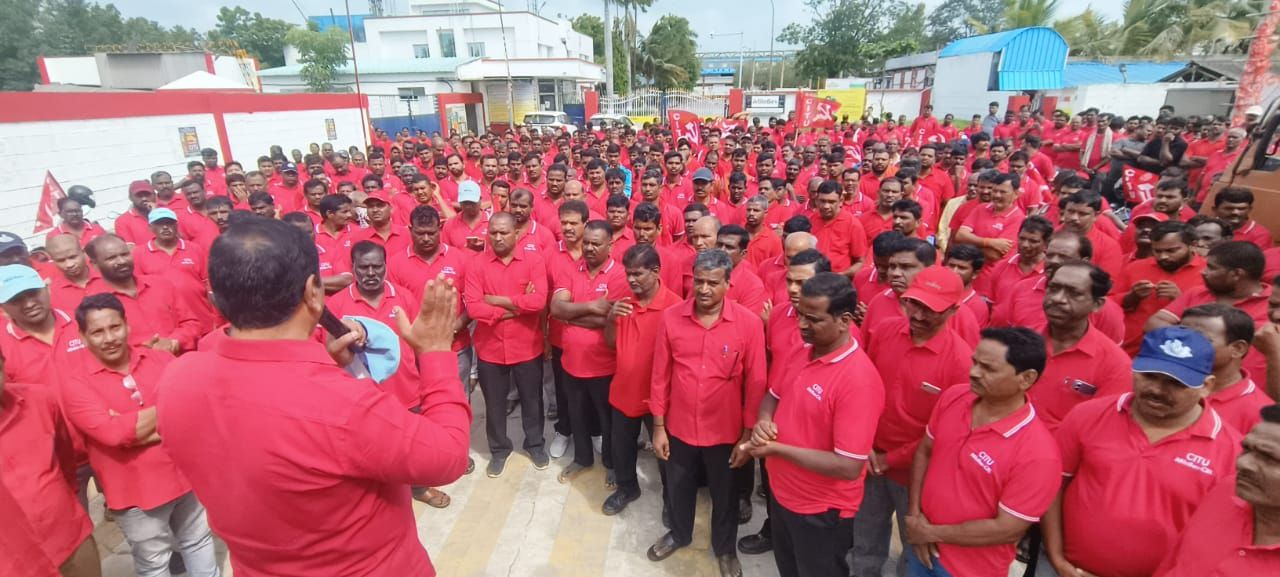 Workers participating in the protest organised by trade unions at CBL, Hyderabad, against the anti-labour policies of the central government
The trade unions have raised a 17- point charter of demands. These include the repeal of the four labour codes, stopping the contractualisation of work, halting the privatisation of public sector undertakings, raising the minimum monthly wage to Rs 26,000, and ensuring job security and social security. Farmer organisations have also joined in solidarity, demanding a legal guarantee for minimum support prices based on the Swaminathan Commission's C2 plus 50 percent formula, and a complete loan waiver for farmers.
The strike has been supported by 10 major central trade unions: INTUC, AITUC, HMS, CITU, AIUTUC, TUCC, SEWA, AICCTU, LPF, and UTUC. Several independent sectoral federations and workers' associations also participated. The Bharatiya Mazdoor Sangh (BMS), affiliated to the RSS, did not participate in the strike and has come under criticism from other unions for staying silent on the attack on labour rights.
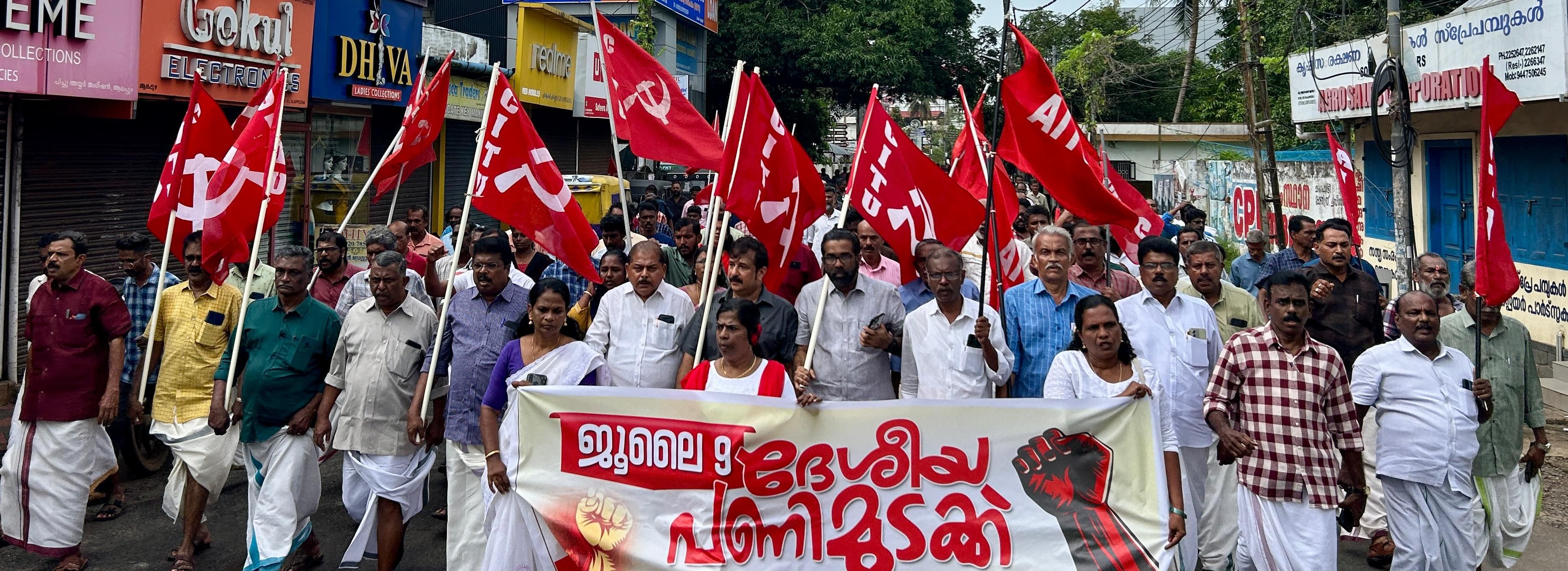 Workers taking part in the protest organised by the Joint Platform of Trade Unions in Alappuzha
In Kerala, the strike was near-total. Transport services were halted, shops and markets were closed, and government offices witnessed low attendance. Workers across organised and unorganised sectors participated, including ASHA and anganwadi workers, midday meal workers, beedi workers, auto and taxi drivers, small traders, and daily wage earners.
In West Bengal, the government attempted to ensure normal life by deploying additional security and making transport arrangements. However, in several parts of Kolkata and surrounding districts, strike supporters took to the streets. DYFI and CPI M workers clashed with police in Ganguly Bagan and Domjur as they attempted to block roads. Train services were briefly affected at Diamond Harbour and Shyamnagar. Police detained several protesters, including SFI leader Srijan Bhattacharya.
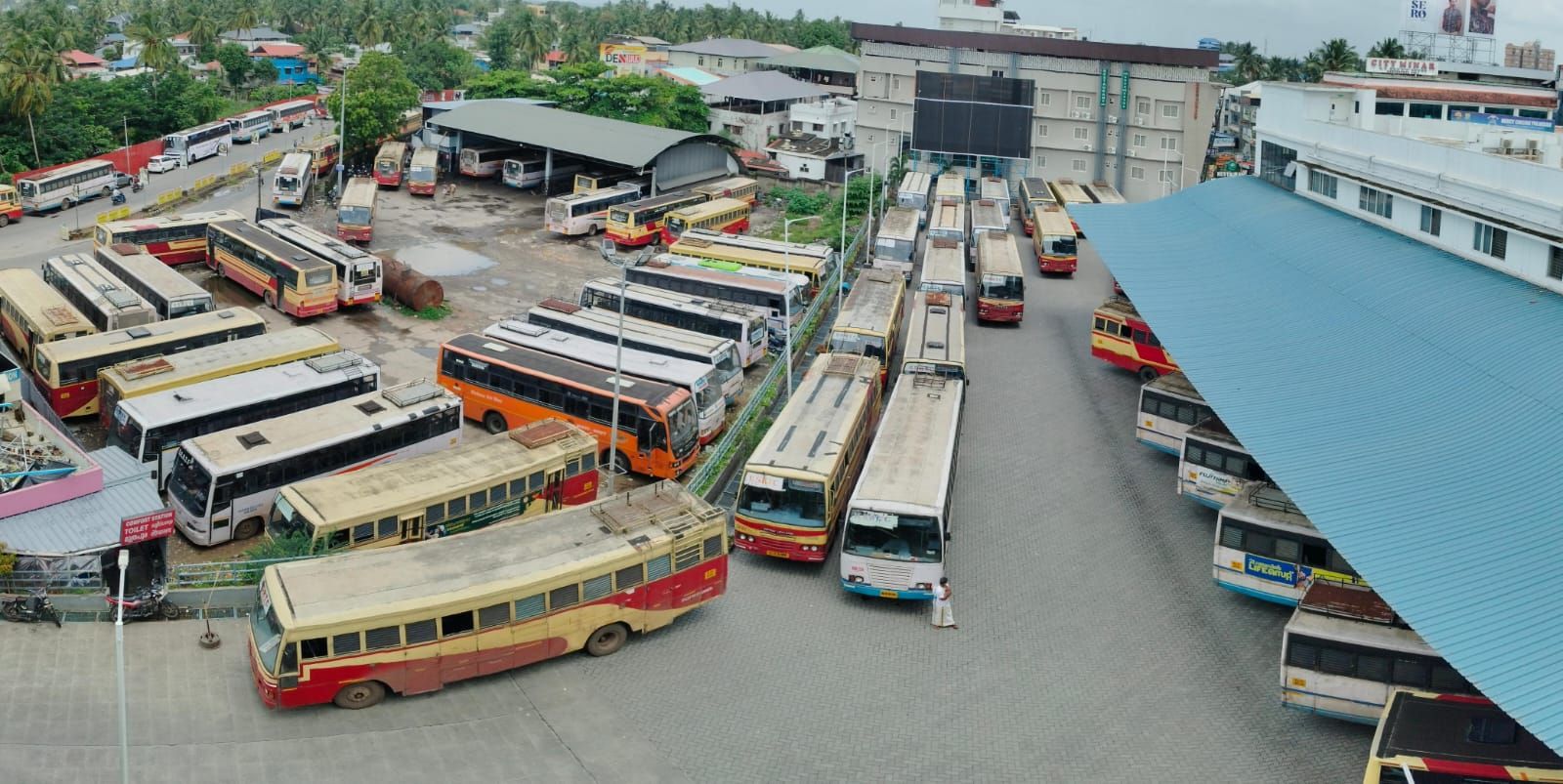 Palakkad KSRTC bus stand in Kerala wears a deserted look as services remain suspended due to the nationwide strike
In Jharkhand, the strike severely hit the coal, banking, insurance, and postal sectors. According to AITUC state secretary Suvendu Sen, coal production and dispatch were completely halted. Trade unions and Left parties held two large rallies in Ranchi, culminating in a public meeting at Albert Ekka Chowk. CPI leaders urged small and large vendors to join the protest.
Puducherry saw the complete withdrawal of private buses, autos, and tempos. Shops and fish and vegetable markets remained shut. Private schools declared holidays, and attendance in government offices dropped sharply despite administrative warnings. Road blockades were staged at various points, and several union activists were taken into custody.
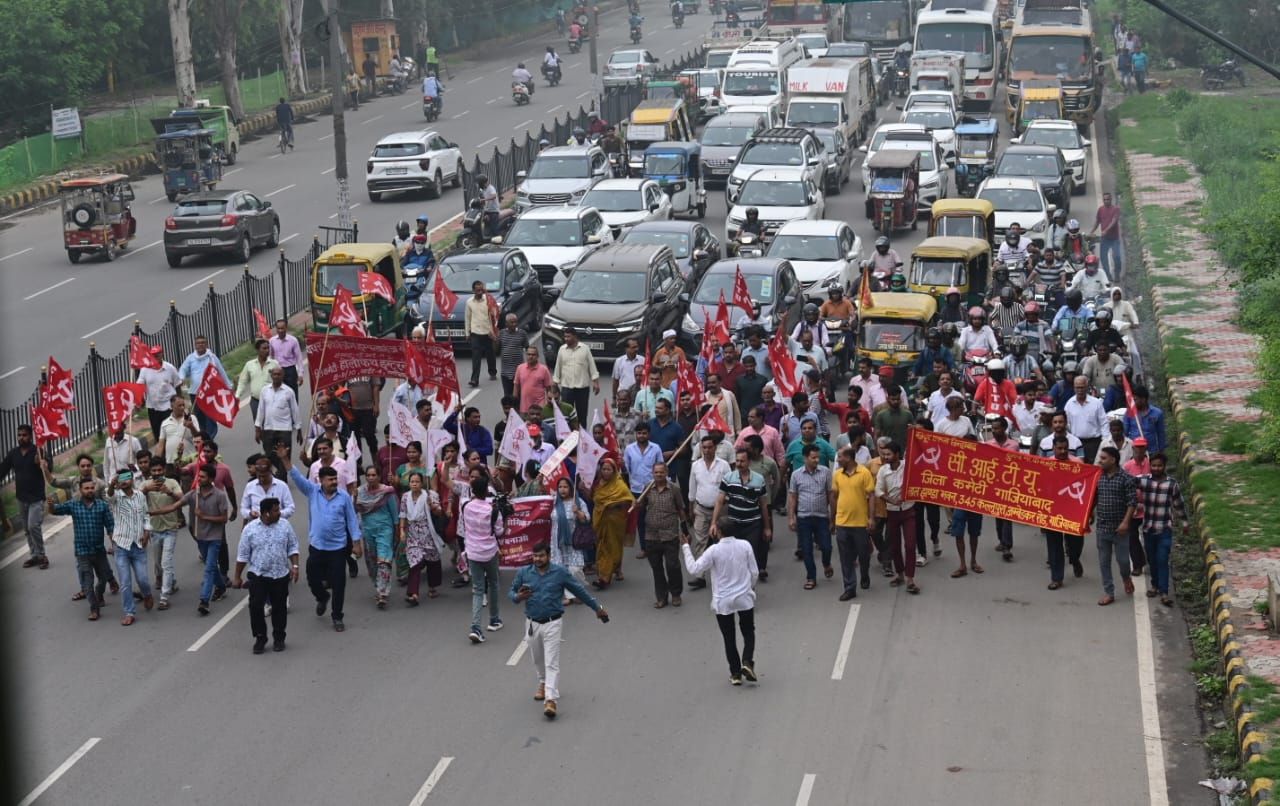
Farmer organisations such as the Samyukta Kisan Morcha held protest actions in Punjab, Haryana, and Rajasthan. Youth and student groups also participated in rallies and meetings, including a large march at Jantar Mantar in Delhi.
The nationwide strike has emerged as a strong and united resistance against the central government's ongoing assault on workers’ and farmers’ rights. The participation of 25 crore people is a reminder that the voice of labour cannot be ignored or silenced.



Related News
Dont Miss it







0 comments