
Kerala
Migrant Workers Dominate Kerala’s Marine Fishing: CMFRI

Web desk
Published on Aug 28, 2025, 03:04 PM | 2 min read
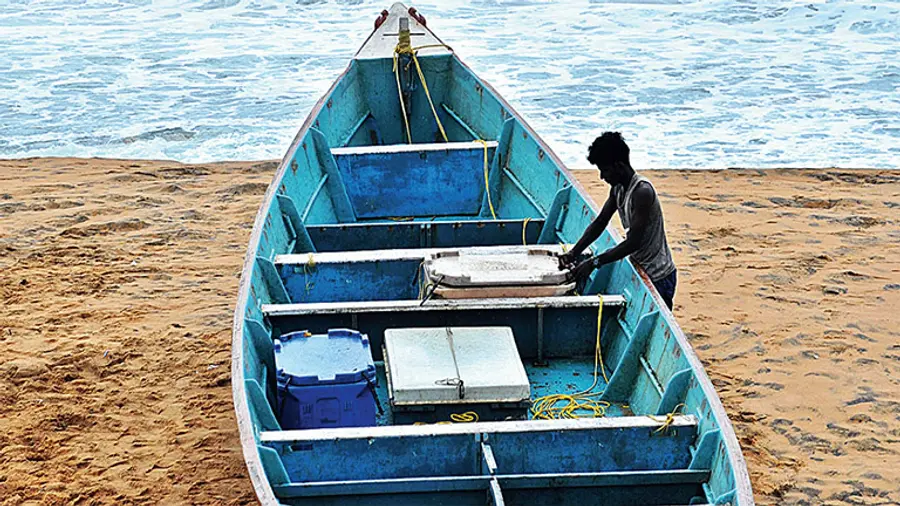
Kochi: According to a study conducted by the Central Marine Fisheries Research Institute (CMFRI) 58% of those going for marine fishing in Kerala are migrant workers. The study found that the higher wages in Kerala are the main factor attracting the migrant labourers to the state. The study points out that poverty and unemployment in their home states, coupled with better wages and job opportunities in Kerala, are the main reasons drawing these workers to the state.
Among mechanised fishing sectors in Kerala, Munambam harbor in Ernakulam district has the highest number of migrant workers — 78%. Most of these workers are from Tamil Nadu, West Bengal, and Odisha. In fish processing units, 50% are migrant workers, and in the marketing sector, they make up 40%.
Kerala’s marine fisheries sector provides comparatively higher daily wages and more stable employment opportunities than the home states of these workers. Daily earnings for helpers or crew on mechanized boats range from Rs. 800 to Rs. 1,200 in Kerala, while similar roles in Odisha or West Bengal offer only Rs. 300 to Rs. 500.
The study also found that migrant workers send nearly 75% of their earnings back home, as they often receive additional support such as food and accommodation, enabling them to save and remit a larger portion of their income. Many workers are paid based on a share system, where earnings are proportionate to the revenue from the catch. This model gives them higher income during fishing seasons, compared to the fixed wage systems in other states.
Migrants in Kerala benefit from year-round employment, especially in fish processing, storage, and marketing — unlike in their home regions where fishing is often seasonal. Jobs in processing units and fish markets, though less physically demanding, also pay relatively well (Rs. 500–Rs. 900 per day), increasing the attractiveness of the sector.
While local fishers spend about 20–30% of their income on savings, children's education, and housing, migrant workers typically remit around 75% of their income to families back home. However, both groups face distinct challenges. Local fishers struggle with issues such as low income, debt, high-interest loans, and unemployment. Migrant workers, on the other hand, face challenges like identity crises, discrimination, and social isolation.



Related News
Dont Miss it










0 comments