
Kerala Government Schools Record Growth in Enrolment; Midday Meal Menu Gets a Nutritious Upgrade
Phot: Shibin Cherukara

Web desk
Published on Jun 18, 2025, 03:50 PM | 3 min read
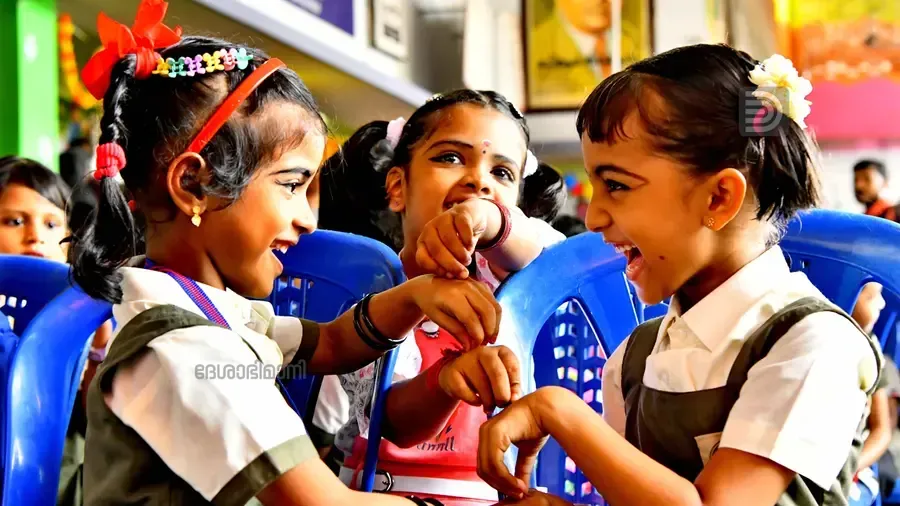
Thiruvananthapuram: Government and aided schools across Kerala have recorded a significant increase in student enrolment for the 2025–26 academic year. According to official data collected on the sixth working day of the term, the number of students from Classes 2 to 10 has risen by 40,906, bringing the total to 29,27,513, up from 28,86,607 in the previous year.
However, Class 1 admissions have declined, with only 2,34,476 new admissions recorded this year — a drop of 16,510 compared to the 2,50,986 admitted in 2024. According to General Education Minister V. Sivankutty, the decline reflects the state’s falling birth rate. He explained that students completing Class 10 in 2025 were born in 2010, when Kerala’s birth rate was 15.75, whereas the current Class 1 entrants were born in 2020, when the rate had fallen to 12.77. In unaided schools, 47,863 students were admitted to Class 1 this year — only one more than the previous year.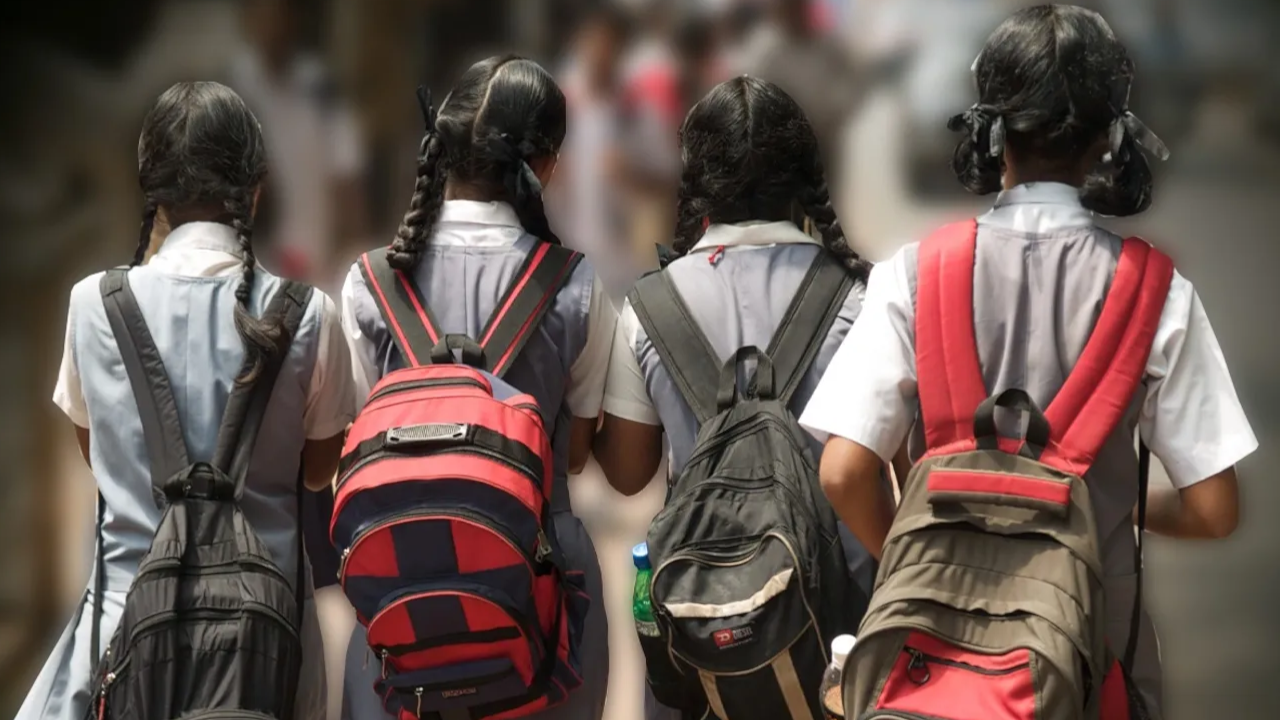
Biriyani, Fried Rice, Payasam: Midday Meal Gets a Wholesome Makeover
As government schools witness a surge in enrolment, efforts are also underway to improve the quality of the student experience beyond academics. One of the most significant changes this year is the transformation of Kerala’s midday meal scheme, which is being upgraded to enhance both nutritional value and culinary appeal.
Following recommendations by a scientific expert committee, the Education Department is rolling out a revamped 20-day menu that features region-specific dishes, seasonal vegetables, and locally sourced ingredients, aiming to improve children’s health, attentiveness, and classroom performance.
Education Minister V. Sivankutty announced that vegetable biriyani, egg fried rice, and lemon rice will now be served once a week. Kerala-style desserts such as carrot payasam will also be introduced to enrich the meals with local flavour and additional nutrients.
Microgreens, known for their high nutrient content, will be added once or twice a month, while flavour-rich chutneys made with ingredients like mint, ginger, amla (gooseberry), and raw mango will be included for diversity and enhanced taste.
The revised menu will feature nutrient-dense traditional dishes like ragi balls, ragi kozhukkatta, ela ada, and aval (flattened rice), served weekly. Each day will offer a carefully curated combination of rice-based meals, vegetable curries, and protein-rich sides designed to cater to both nutritional standards and familiar Kerala flavours.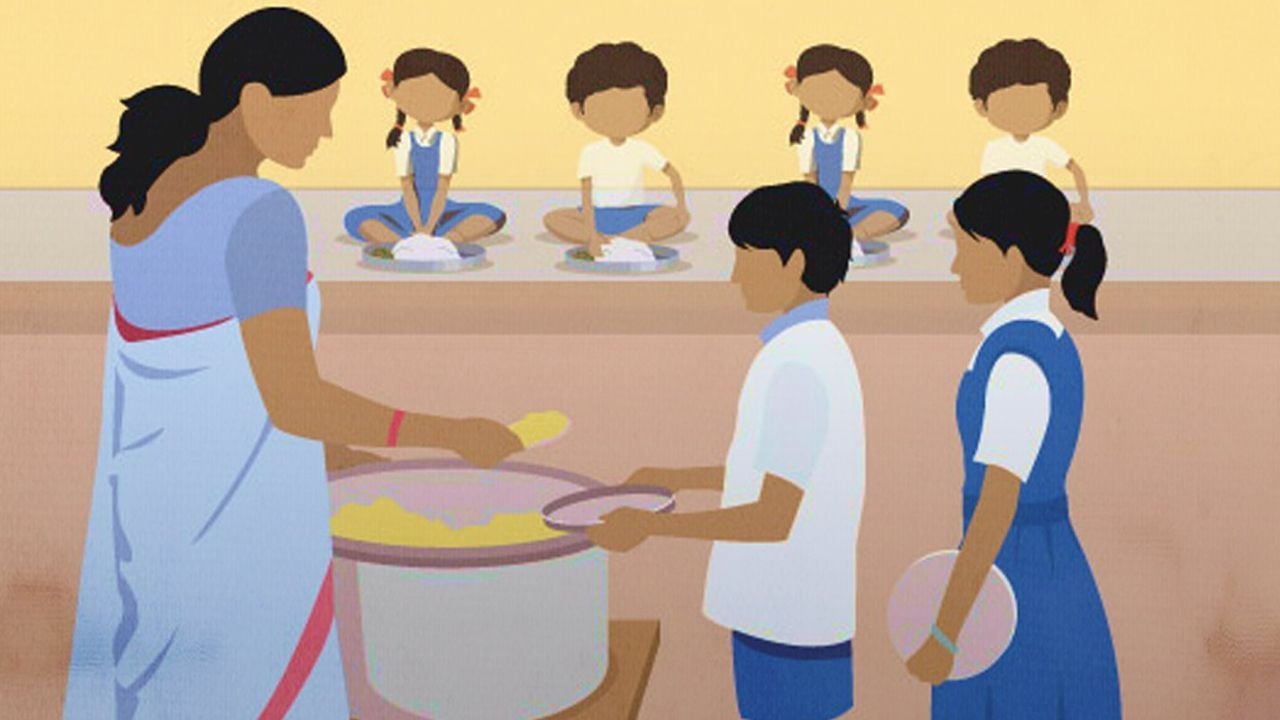
Modern Classrooms, Better Learning: Kerala’s Government Schools on the Rise
Kerala’s public education system is in the midst of a sustained and strategic transformation. Spearheaded by the General Education Rejuvenation Mission, the state has invested heavily in improving infrastructure, teacher quality, and technology integration across government and aided schools.
A growing number of schools now feature smart classrooms, interactive digital content, and child-friendly infrastructure, enabling a more engaging and effective learning environment. Classrooms have been upgraded with projectors, interactive boards, laptops, and access to curated digital textbooks and learning modules.
Two pivotal agencies — the State Council of Educational Research and Training (SCERT) and Kerala Infrastructure and Technology for Education (KITE) — have played a vital role in this transformation. SCERT has updated the curriculum to align with 21st-century learning objectives, while KITE has supported schools by providing training in ICT tools, implementing the Little KITEs IT Club, and distributing Hi-Tech School Kits.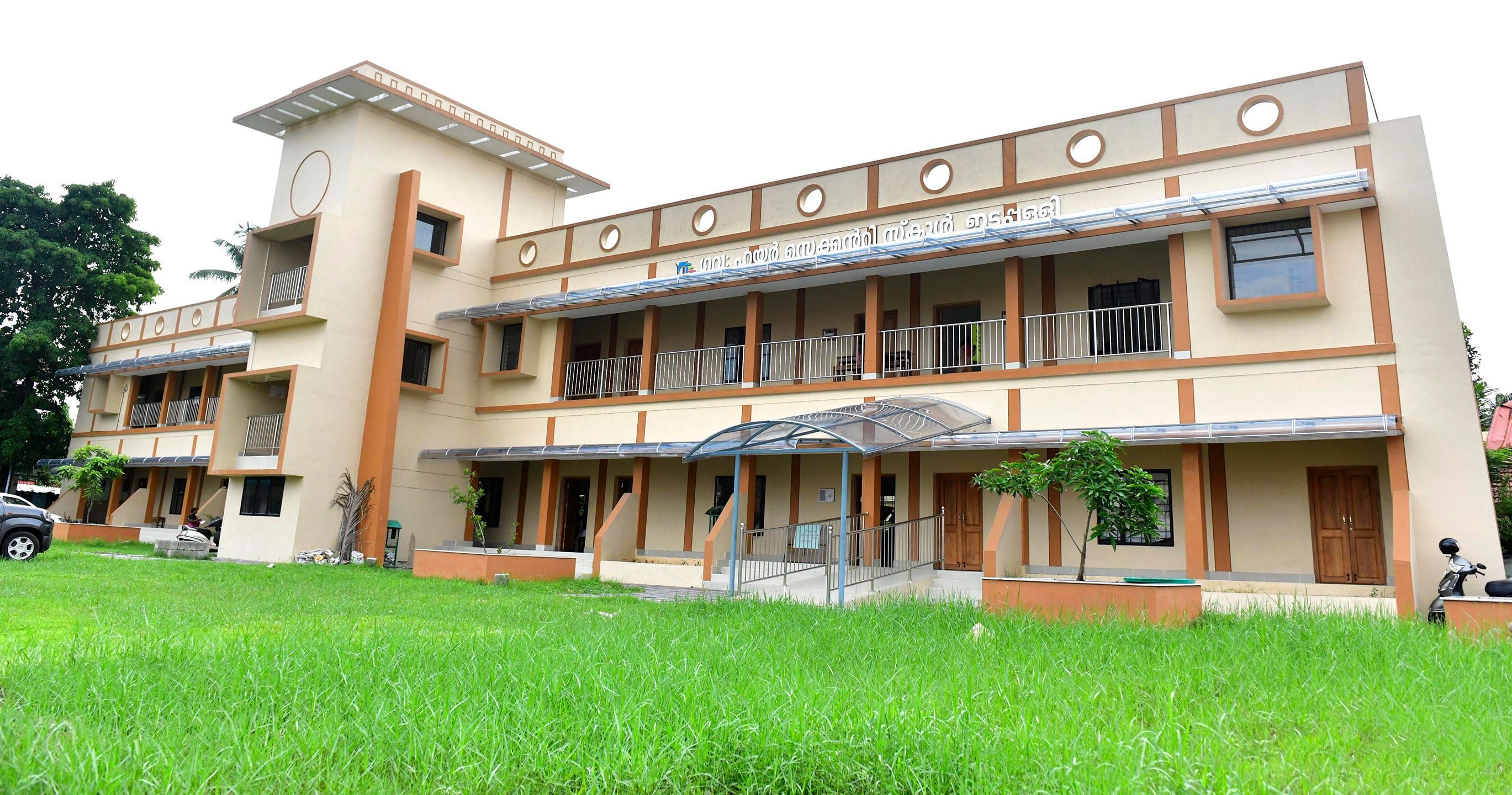
The implementation of programmes like 'Public Education Rejuvenation Mission', 'Samagra Shiksha', and the 'Hi-Tech School Project' has helped ensure that Kerala’s government schools are not only academically competent but also technologically equipped to meet the demands of modern education. The increased enrolment figures suggest that the public’s confidence in the government school system is on the rise — a trend that is reshaping Kerala’s education narrative.



Related News
Dont Miss it









0 comments