
Kerala Cabinet Approves 2026 IT Policy Targeting Five Lakh Jobs
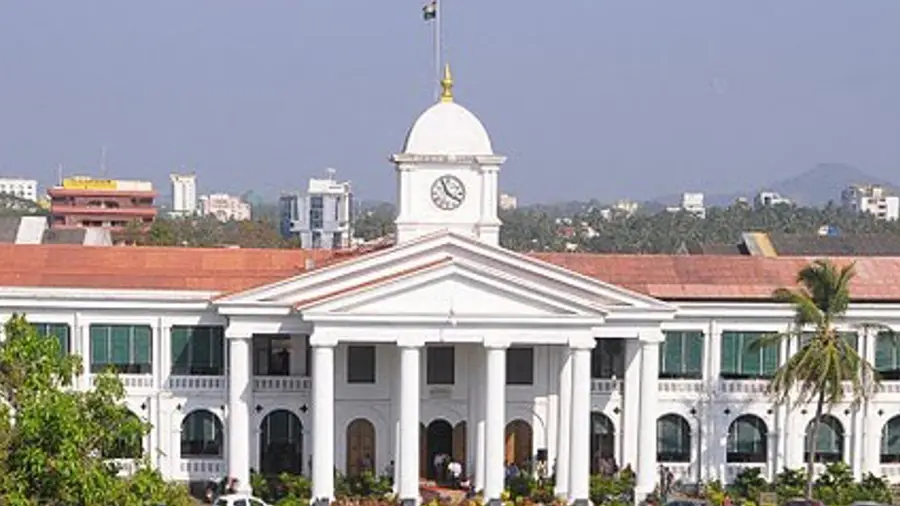
Thiruvananthapuram: The Kerala Cabinet has approved the state’s 2026 IT Policy, aiming to create at least five lakh new jobs in IT and related sectors and secure a minimum 10 per cent share in India’s IT exports.
The policy plans to increase the number of startups in the state to 20,000. IT space availability will be tripled through private participation and decentralised growth. The government will promote an intellectual property (IP)-based knowledge industry ecosystem and ensure fibre optic connectivity to provide 100 per cent internet access to all households in Kerala.
The policy also targets stronger technology-driven economic growth, digital governance and infrastructure expansion to position Kerala as a future-ready digital economy.
Other Key objectives of the policy
Achieve a 5–10 per cent share in the Indian economy in high-technology sectors such as space, aerospace, defence, electronics, artificial intelligence, quantum computing and genomics.
Provide a single user interface for citizen-centric government e-services through enterprise architecture.
Deliver predictive and prescriptive governance services through government departments.
Implement a framework for responsible use of data and new technologies.
Convert more e-governance applications into cloud-based services.
Create state-controlled data repositories to support data-driven solution companies.
Adopt open-source technologies for software solutions developed through government funding.
Encourage community initiatives to develop independent open-source software and hardware.
Establish centres of excellence in emerging technologies and build a skilled workforce in areas such as AI, blockchain, data analytics and bioinformatics.
Formulate a comprehensive cyber security law.
Promote inclusiveness by increasing participation of women, persons with disabilities and transgender persons in IT, ITES, electronics and hi-tech industries.
Create systems and legal frameworks to ensure data privacy of citizens, consumers, employers and employees.
Promote digital education by introducing new ICT textbooks for Classes 1 to 10 covering emerging technologies.
Provide training to 25 lakh students in specialised sectors over the next five years.
Replace separate data collection by different government departments with a unified system using regulated API access for authorised departments and agencies.
Attract Global Capability Centres (GCCs).
Implement a land pooling system to create more IT parks.
Provide incentives for data centres.
Simplify labour laws to support industry growth.
Expand IT parks and plug-and-play workspaces to new urban locations.
Set up a critical infrastructure fund to protect IT parks during natural disasters and pandemics.
Develop co-working infrastructure, angel networks and micro venture capital (VC) translation centres for startups.
The policy also proposes capital subsidies and other incentives to strengthen the IT industry ecosystem.
The 2026 IT policy gives special importance to intellectual property development with the aim of transforming Kerala into a hub for knowledge-based industries. As part of this, the government will launch special technology missions, including the Kerala Electronics and Semiconductor Mission, Kerala AI Mission, and Kerala Future Tech Mission (KFTM).
A Digital Transformation Mission will also be established to provide common infrastructure for business transformation. This will include a shared pool of digital tools, business analytics solutions, intelligent aggregation platforms, secure and subsidised cloud space, GPUs and related facilities.
Special incentives will be provided to companies and startups investing in the space technology sector to build a strong ecosystem in the state.
The government had earlier constituted a committee to prepare the 2026 IT Policy and had sought public opinion on the draft before final approval by the Cabinet.



Related News
Dont Miss it










0 comments