
Trump Signals Progress in US-Iran Talks as He Awaits Iran's Response to Peace Framework
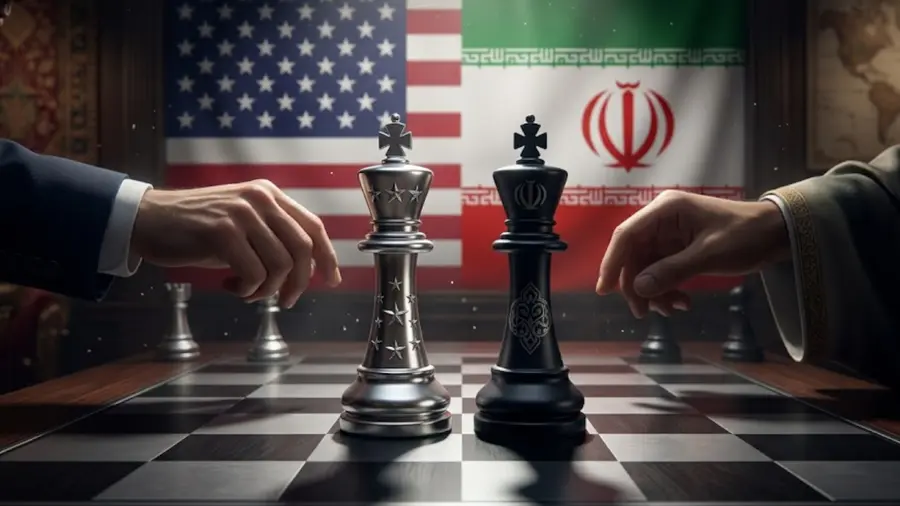
Image used for representation
Washington DC: Fresh diplomatic efforts between the United States and Iran appear to have gained momentum, with US President Donald Trump saying discussions between the two sides over the past day had been “productive” and suggesting an agreement could emerge soon.
Officials in Washington are currently awaiting Tehran’s response to a proposed framework intended to halt the ongoing conflict and lay the groundwork for broader negotiations over Iran’s nuclear program. According to a report by Axios, the proposal includes temporary limits on uranium enrichment, partial sanctions relief from the US, and the release of frozen Iranian assets. The plan also reportedly addresses maritime security and trade movement through the strategically important Strait of Hormuz.
Despite signs of progress, uncertainty remains within the US administration. Some officials believe the negotiations are advancing slowly and warn that disagreements on key issues could still derail the process. Trump, however, maintained an optimistic tone while also repeating that military options remain under consideration if diplomacy fails.
"If they don't agree, the bombing starts, and it will be, sadly, at a much higher level and intensity than it was before," Trump wrote on Truth Social.
According to the Axios report, the Trump administration is expecting a diplomatic breakthrough by the time the US President wraps up his Chinese trip next week.
The negotiations are being handled through direct contacts and regional mediators, with messages reportedly requiring approval from Iran’s senior leadership before responses are delivered.
Meanwhile, regional tensions continue to complicate the diplomatic push. Benjamin Netanyahu confirmed close coordination with Washington and reiterated Israel’s demand for the dismantling of Iran’s enrichment capabilities. At the same time, recent Israeli strikes in Beirut have raised concerns that renewed violence could influence the fragile negotiations.
Analysts say the coming days may prove decisive in determining whether diplomacy can prevent a broader regional conflict.



Related News
Dont Miss it









0 comments