
US House Advances Russia Sanctions Bill; India, Others Face 100% US Tariffs
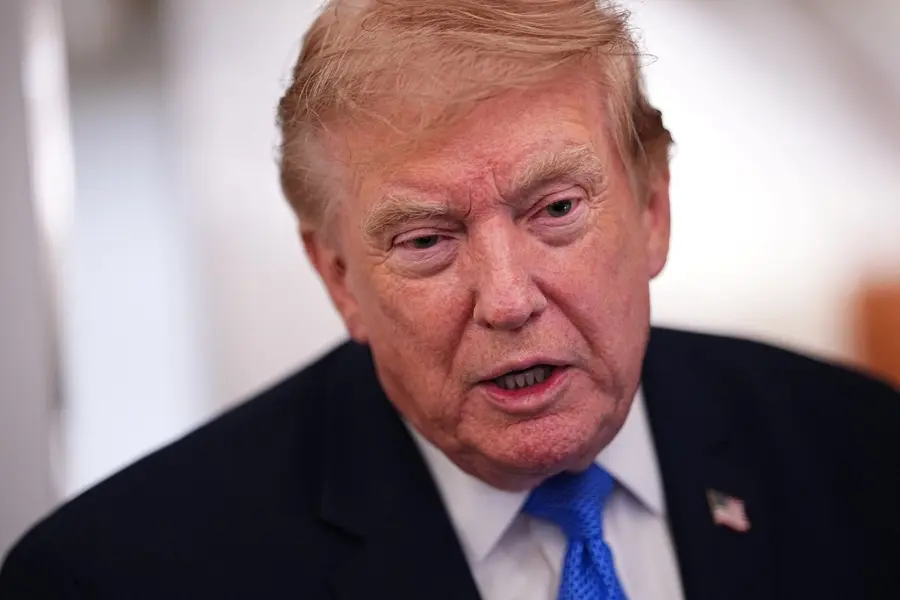
Donald Trump addressing reporters aboard Air force one (Photo | AFP)
Washington DC: The US House of Representatives has advanced legislation that could give President Donald Trump the authority to impose tariffs of up to 100% on India and other major buyers of Russian oil and gas, bringing the measure closer to a final vote.
The House cleared a procedural hurdle for the Lindsey O. Graham Sanctioning Russia and Iran Act of 2026 by a 214-211 vote on Tuesday. The bill is expected to face a final vote on Wednesday.
The legislation seeks to intensify sanctions on Russia and extend existing sanctions against Iran. It also targets Russian officials, the country's energy sector and the so-called shadow fleet of vessels accused of helping Moscow circumvent restrictions on oil exports.
Under the Senate-passed version, the president would be authorised to impose tariffs of up to 100% on the largest purchasers of Russian oil or gas and countries involved in sanctions evasion. The Senate approved the legislation 86-11 in August.
An amendment considered in the House specifically identifies 10 countries, including India, China, Türkiye, Azerbaijan, Hungary, Slovakia, the United Arab Emirates, Singapore, Kazakhstan and Kyrgyzstan, as eligible for duties of up to 100%. However, that amendment was not adopted by the House Rules Committee.
Another proposed amendment, backed by Democratic lawmakers including House Foreign Affairs Committee ranking member Gregory Meeks, sought to remove the provision granting the president broad authority to impose secondary tariffs. The Rules Committee rejected that proposal in a 3-7 vote.
Meeks has argued that the legislation would give Trump excessive discretion over tariffs and could raise costs for US consumers. The measure has also faced concerns from some lawmakers over the economic and diplomatic consequences of imposing tariffs on countries that maintain significant trade with Russia.
Supporters of the bill argue that targeting Russia's energy revenues would increase economic pressure on Moscow over its war in Ukraine. The legislation has received strong support from pro-Ukraine groups, which have been lobbying members of Congress for tougher measures against Russia.
The House's action comes shortly before lawmakers are scheduled to leave Washington for the midterm election recess. If the House passes the Senate legislation, it would move to the next stage of the legislative process before potentially reaching the White House for Trump's signature.
Tags



Related News
Dont Miss it







0 comments