
US to Gain Control of 65 Billion Barrels Petroleum Reserves in Venezuela; Trump's 'Historic' Oil Deal Draws Scrutiny Over January Military Takeover
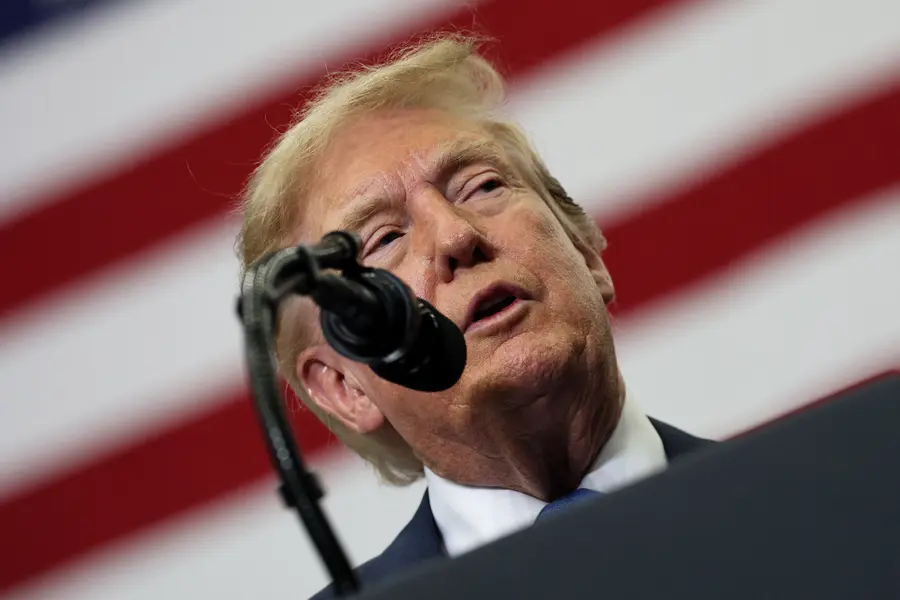
U.S. President Donald Trump (Photo | AFP)
Washington DC: US President Donald Trump on Friday unveiled what he called the "biggest oil deal in world history," announcing that the US would gain majority control over 65 billion barrels of Venezuela's proven petroleum reserves. Secretary of State Marco Rubio said the arrangement would channel nearly $100 billion in private investment into the country.
The announcement, however, cannot be separated from how Washington arrived at this position in Venezuela. The deal follows the January operation in which US forces captured longtime leader Nicolas Maduro in a military raid on Caracas, an action Trump himself described at the time as putting the US in charge of "running" the country until a transition took place. Maduro's former vice president, Delcy Rodriguez, has since governed as interim leader, but only on the understanding that she cooperates with Washington's terms — including, evidently, on oil.
At the time of the raid, senior US lawmakers were sharply critical of the operation. Senator Ed Markey called it an "unconstitutional and reckless act of war" carried out without congressional approval, arguing it was "all about regime change and all about oil" rather than any genuine security concern. Senator Elizabeth Warren echoed similar concerns, warning that the action risked dragging the US into further regional conflict. House Oversight Committee Democrats, led by Rep. Robert Garcia, later opened an investigation into the administration's dealings with major oil companies over Venezuela, alleging a lack of transparency around who stood to profit from the takeover.
Those questions have resurfaced with Friday's announcement. The Washington Post reported Friday that the emerging arrangement — which could take final shape early next month — is likely to be contentious and potentially costly for the US government, even as the administration presents it as a geopolitical win.
Trump, writing on Truth Social, said the deal would more than double US oil reserves and would "greatly strengthen" ties between Washington and Caracas. Rubio described it as evidence of "America First" policy delivering "stable reserves and low-cost oil" for the US while lowering gas prices at home, and said it would fund reconstruction and jobs for ordinary Venezuelans — though he offered no further detail on how those benefits would materialise.
According to Axios, which cited two US officials, the negotiations cover roughly a dozen oil fields holding about 90 billion barrels, close to a third of Venezuela's total reserves of 300 billion barrels. Under the reported structure, private companies — including American firms — would develop the fields in exchange for a US ownership stake, with a portion of revenue returned to Venezuela. The report noted the deal would come as the US strategic petroleum reserve sits at a 40-year low.
Trump has repeatedly tied the arrangement to falling gasoline prices, a politically charged issue as his approval ratings slide ahead of the November midterms, compounded by fallout from his administration's separate conflict with Iran, which disrupted global oil markets.
Critics of the January operation have long argued that the administration's commercial interest in Venezuelan oil undercuts its stated rationale — protecting Americans from narco-trafficking — and that Friday's deal, months later, appears to bear that argument out.



Related News
Dont Miss it








0 comments