
Trump Revives Controversial Travel Ban Targeting 12 Nations

Web desk
Published on Jun 05, 2025, 11:47 AM | 2 min read
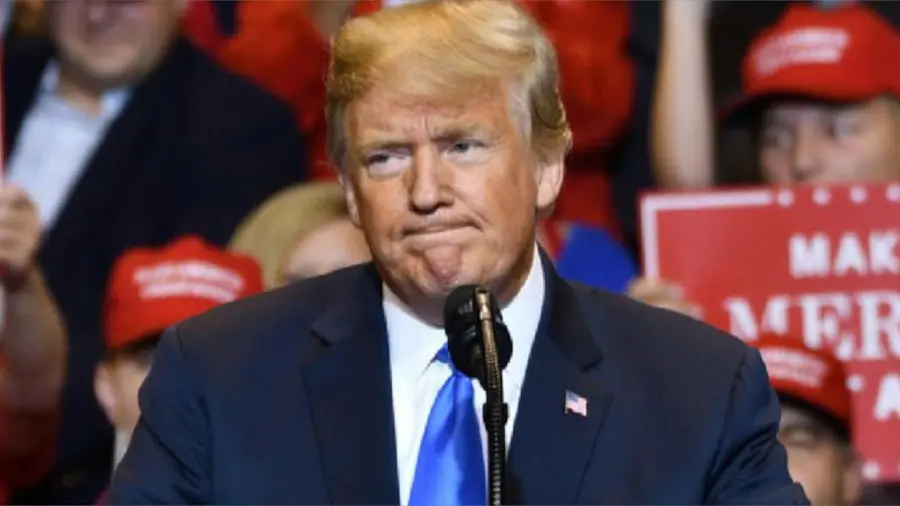
Washington: In a move that rekindles one of the most divisive policies of his presidency, Donald Trump has signed a fresh proclamation to block entry into the United States from citizens of a dozen countries, citing national security concerns.
The countries affected include Afghanistan, Burma, Chad, Republic of the Congo, Equatorial Guinea, Eritrea, Haiti, Iran, Libya, Somalia, Sudan, and Yemen. The travel ban is set to go into effect at 12:01 am on Monday. Additional restrictions have also been imposed on travellers from Burundi, Cuba, Laos, Sierra Leone, Togo, Turkmenistan, and Venezuela.
"I must act to protect the national security and national interest of the United States and its people," Trump claimed in the proclamation. However, critics argue that the measure is less about national security and more about reviving xenophobic rhetoric in an election season where Trump continues to appeal to hardline supporters.
The justification for the new restrictions stems from a January 20 executive order requiring intelligence and security agencies to compile a report on "hostile attitudes' from foreign governments. But observers warn that the language is vague, the criteria opaque, and the motivations political.
This latest proclamation echoes Trump's 2017 'Muslim ban,' which targeted several Muslim- majority countries and ignited nationwide protests and legal battles. Despite being rebranded and restructured over time, the core policy was widely condemned as discriminatory and Islamophobic before a narrowed version was ultimately upheld by the Supreme Court in 2018.
The reintroduction of such a sweeping travel restriction has drawn concern from human rights groups, legal scholars, and immigration advocates, who see it as a step backward. “This is a dangerous resurrection of a policy that was fundamentally rooted in bias, not security,” said one civil liberties attorney.
Once again, families may be separated, students and researchers stranded, and global ties strained, all under the pretext of national security, a narrative that critics say masks deeper prejudices.
As Trump positions himself for a political comeback, this move is being seen not just as policy, but as a campaign signal, one that places fear, exclusion, and division back at the heart of the immigration debate in America.



Related News
Dont Miss it









0 comments