
Anti-Imperialist Struggle
Burkina Faso Under Traoré Proves Africa Can Resist Imperialism and Neo-Colonialism

Thomas Babychan
Published on Aug 25, 2025, 04:17 PM | 9 min read
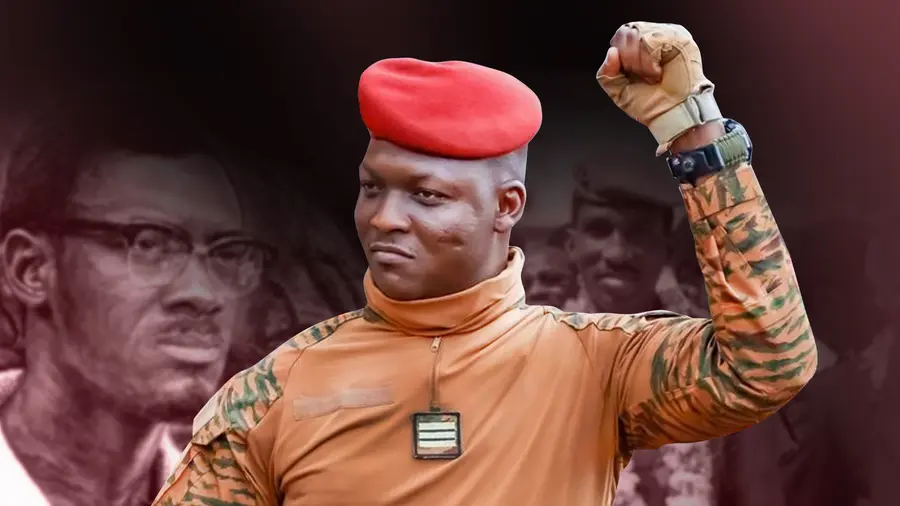
The rise of Ibrahim Traoré in Burkina Faso has unsettled Western capitals, exposing the fragility of their grip on Africa. When the 34-year-old officer seized power in 2022, he did more than depose a leader whose government had failed to contain rising insecurity and remained entangled with Western interests. Traoré directly confronted a global system that has long treated African nations as extraction zones, subordinate to the agendas of Washington, Paris, and their institutions. His youth and military background are notable, but even more striking is his unapologetic naming of imperialism and neo-colonialism as the primary forces obstructing true African sovereignty.
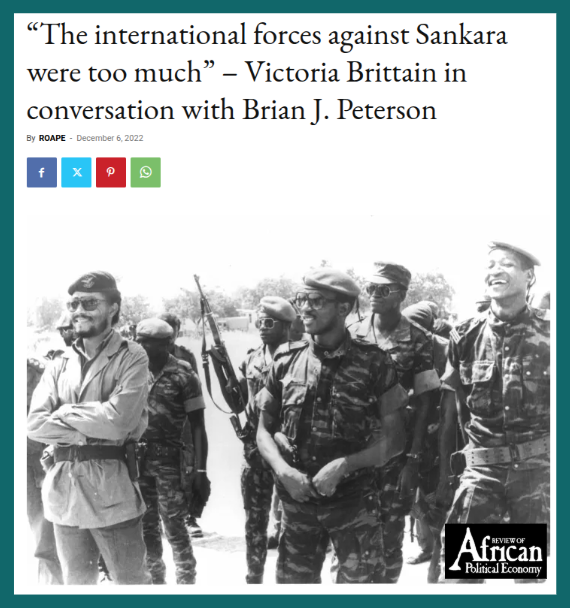
Ibrahim Traoré represents a revival of the revolutionary legacy of Thomas Sankara, whose 1987 assassination was enabled by domestic elites with the backing of France—a country long invested in maintaining control over its former colonies. For Western governments used to dealing with compliant African regimes, Traoré is more than a political shift; he is a direct ideological threat to a neo-colonial order that has extracted Africa’s wealth while undermining its sovereignty.
Burkina Faso has lived through decades of coups, the formal independence of 1960 brought only a shift from direct colonial rule to French neo-colonial control. Military leaders were nurtured or discarded depending on their willingness to allow French access to gold, cotton, and uranium. This mirrored the wider African condition, where liberation movements were thwarted by CIA-backed coups, assassinations, and the weaponisation of debt. Washington and Paris demanded obedience while speaking of democracy.
The global South has long been expected to endure poverty while multinational corporations and foreign powers extract its wealth under the guise of development. In this system, African governments are often reduced to local managers of global exploitation. Ibrahim Traoré’s rise to power through a military coup in 2022 disrupted this model, not because of his individual charisma, but because of the broader rupture it signaled within the neo-colonial order. Rather than serving as yet another client of Western interests, Traoré positioned himself within a legacy of anti-imperialist resistance—evoking figures like Thomas Sankara, Kwame Nkrumah, and Patrice Lumumba, memory terrifies the imperialist order because they dared to insist that Africa belongs to Africans.
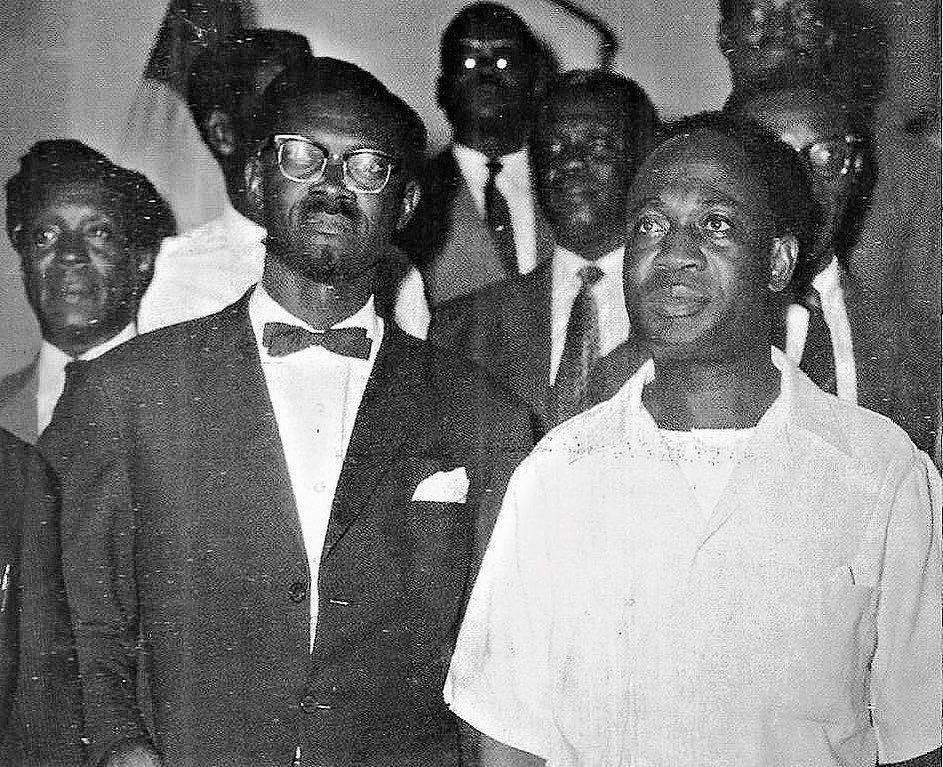
(Kwame Nkrumah and Patrice Lumumba I Image courtesy: X Africa Matters Initiative)
Traoré’s self-identification as an anti-imperialist is far from empty words. His actions in office have consistently challenged imperialist exploitation. He expelled French troops and ordered the closure of French military bases—moves that were unthinkable for his predecessors. He refused to accept loans from the IMF and World Bank under their suffocating conditions, recognizing that such aid is a modern form of colonial chains. By severing ties with the CFA franc system—an instrument through which Paris dictates the economic future of West Africa—Traoré has struck at one of the pillars of France’s neo-colonial empire. For the West, this is not simply a military officer acting rashly but the revival of an anti-colonial consciousness that could inspire resistance across the Sahel.
Fear is not abstract. Traoré’s actions have already resonated in Mali and Niger, whose governments also expelled French forces and, together with Burkina Faso, formed the Alliance of Sahel States. Their withdrawal from ECOWAS—an institution heavily influenced by Western pressure—underscores the depth of this anti-colonial shift.
Traoré insists that Africa rise as one united force—not divided into fragmented states, but as a single, oppressed people standing in solidarity to reclaim their dignity and sovereignty. This is the resurgence of genuine Pan-Africanism, a revolutionary spirit that rejects imperialist domination and capitalist exploitation. Where ECOWAS has long served as a tool of Western imperialism to enforce capitalist interests, the formation of this new alliance represents the determination of African peoples to break the chains of neo-colonial oppression. The global capitalist North now confronts the threat of losing control over a resource-rich region crucial to its industrial exploitation.
At the heart of this confrontation lies economic policy. Burkina Faso, rich in gold and cotton, has long been a site where Western corporations extracted massive profits while leaving workers and peasants in deep poverty. Now the state has begun reclaiming control—nationalising key industries and increasing royalties on foreign firms to ensure more wealth remains in the hands of the people. Revenues have been redirected toward healthcare, education, and land reform, directly improving the working masses. Minimum wages have been raised, and stronger labour protections enforced to curb exploitation.
For imperialist regimes and their capitalist backers, this is an existential threat: the old model of resource plunder, where foreign shareholders reap the rewards, is being challenged. If Burkina Faso proves that its resources can serve the people rather than imperialist profits, it will inspire revolutionary struggles across the continent.
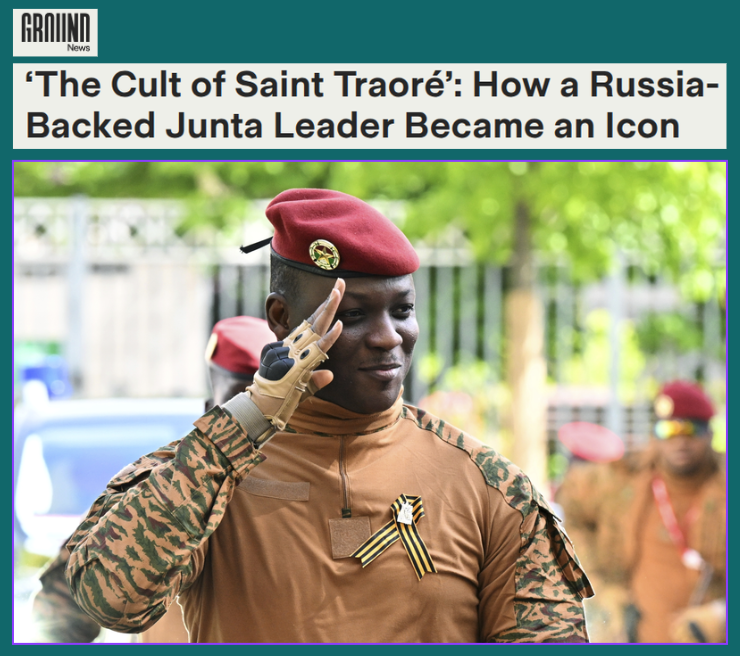
This is why Traoré is routinely portrayed in Western media as a “dictator” or “junta leader.” Such language serves a clear political purpose: to de-legitimise his government and lay the groundwork for sanctions, covert destabilisation, or even military intervention. The very media outlets that once justified the invasion of Iraq on fabricated evidence now champion democracy in Burkina Faso. Yet on the ground, Traoré commands significant support, especially among the youth, who see in him the possibility of an African future free from foreign control. His speeches circulate widely on social media, spreading a message of self-reliance, anti-imperialism, and pride. For Washington and Paris, the real problem is not his alleged authoritarianism, but the power of his example.
The American strategy in Africa, built around AFRICOM and a network of military bases, is being steadily undermined. Traoré has demonstrated that local forces can combat jihadist insurgencies without Western “assistance.” His military reforms have expanded Burkina Faso’s army and strengthened its ability to defend its territory. Operations have reclaimed vast areas without the presence of foreign troops, exposing the emptiness of Western claims that Africa cannot secure itself. The United States and France have long used the threat of terrorism to justify military occupation and maintain access to resources. Traoré’s success challenges this narrative. If Burkina Faso can stand independently, other nations may question why they must continue to host foreign armies.
The turn toward Russia, China, and other non-Western powers is a profound threat to imperialist hegemony. Through security cooperation with Moscow, infrastructure and energy deals with Beijing, and growing alliances beyond the West, Africa is asserting its right to break free from neo-colonial chains and imperialist dependence. For decades, imperialist powers maintained control by keeping African nations reliant and divided.
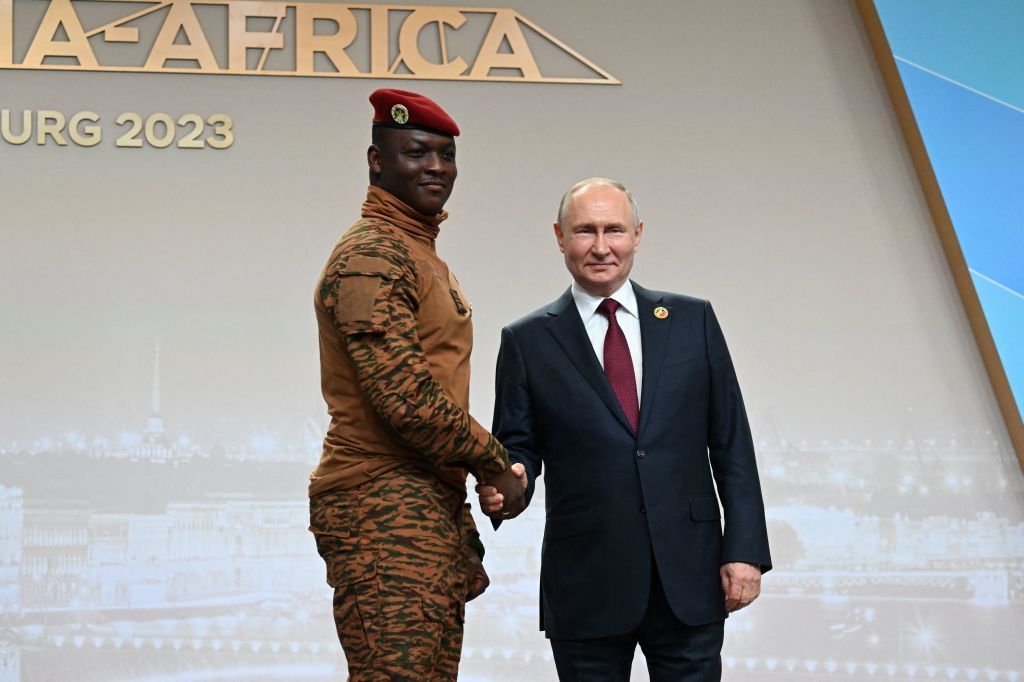
Traoré’s leadership shows that the oppressed peoples of Africa have viable alternatives to capitalist exploitation and Western domination. The prospect of Africa strengthening ties with BRICS and similar anti-imperialist coalitions terrifies Washington, signaling the inevitable decline of US unipolar control over the global order. A multipolar world is one where Africa is no longer dictated to, but one where its governments negotiate from positions of strength.
Even on the climate front, Traoré has been uncompromising in his critique. He has openly condemned the imperialist powers for driving the ecological crisis while plundering Africa’s resources to fuel their so-called “green transitions.” Under his leadership, illegal mining operations that poisoned rivers have been shut down, reforestation efforts expanded, and demands for climate reparations clearly articulated. This stance exposes the hypocrisy of Europe and the United States, which continue to burn fossil fuels and hoard the profits of renewable technologies, all while pressuring Africa to cut emissions and accept environmental austerity. By placing climate justice within the broader anti-imperialist struggle, Traoré reinforces the demand for a just global order—one in which Africa refuses to bear the cost of a crisis it did not create, and instead asserts its right to sovereignty, dignity, and ecological survival. Western governments are not without instruments of retaliation.
They may resort to sanctions, the financing of opposition forces, or disinformation campaigns aimed at destabilisation. But sanctions no longer carry the power they once did. From Zimbabwe to Venezuela, nations under siege have endured and, in many cases, transformed these attacks into rallying points for popular resistance.
If Burkina Faso continues to develop and maintain internal stability under Traoré’s leadership, sanctions could backfire—exposing the declining effectiveness of Western coercion. This is what truly terrifies Washington and Paris: the prospect that defiance will succeed, and that other nations might follow Burkina Faso’s lead in rejecting imperialist domination. The CIA and allied intelligence agencies are surely watching Traoré—just as they watched Lumumba, Sankara, and every African leader who dared to challenge imperialism.
History shows that when the people are awakened, imperial control begins to unravel. Lumumba’s voice still echoes across the continent, a call for true independence that has never faded. Sankara’s sacrifices helped rouse the Burkinabè to resist foreign domination and reclaim their sovereignty. Traoré stands in that lineage—not as a lone figure, but as part of a continuing struggle led by the people of Burkina Faso. Their uprising is not a break from the past, but its fulfillment—the living proof that the spirit of resistance planted by earlier generations has taken root and begun to grow once more.
The global order is shifting. The unipolar dominance of the United States is collapsing under the weight of its own contradictions—laid bare in Iraq, Afghanistan, Libya, and every intervention masked as humanitarianism but driven by profit and power. In Africa, the illusion has shattered: the language of democracy was a cover for domination, and “partnership” a euphemism for plunder. Traoré has said openly what many already know—that Africa will never be free until imperialism is dismantled. For this, he is reviled by the ruling powers of the West and embraced by the oppressed. His struggle is not merely for Burkina Faso, but for a future where Africa’s wealth serves its people, where its youth live with dignity, and where no empire dictates terms to the continent ever again.
(The author is a freelance journalist and content creator specializing in politics, international relations, and foreign policy.)



Related News
Dont Miss it







0 comments