
War at ASEAN’s Doorstep: Thailand–Cambodia Border Conflict Escalates, Posing Major Test for the Bloc

Rahna Mariyam
Published on Dec 25, 2025, 03:15 PM | 3 min read
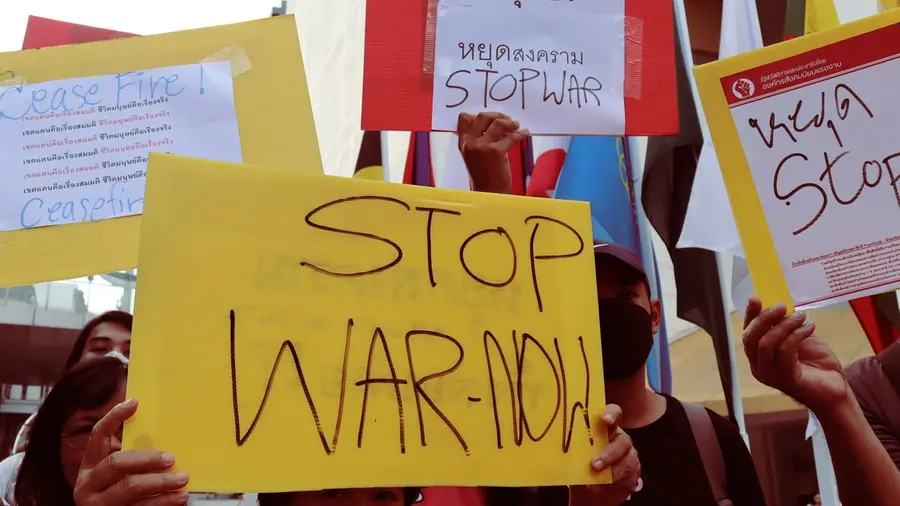
The longstanding territorial dispute between Thailand and Cambodia has flared into one of Southeast Asia's most serious military cases in recent memory, threatening regional stability and testing the conflict resolution capability of ASEAN.
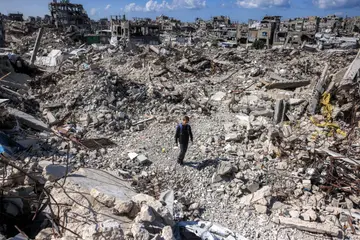
What started as intermittent border clashes has escalated into ongoing armed engagements, including air and artillery strikes, naval maneuvers, and mass civilian displacement, raising alarms across the region.
The Thai-Cambodian conflict is deeply entertwined with historical disagreements over the Thailand-Cambodia border, particularly around ancient temple sites such as Preah Vihear and Ta Muen Thom. These areas are sources of national pride and contested claims dating back to colonial-era agreements. This crisis has colonial roots in the Franco-Siamese treaties of 1904 and 1907, which defined the boundary between the then Siam and French Indochina.
The latest escalation between the neighbouring countries began in May, when a Cambodian soldier was killed near the Preah Vihear temple in the border region. Cambodia responded to the incident by banning Thai goods and closing key border crossings, straining bilateral relations between the countries. In July, tensions flared up again following the injury of five Thai soldiers in a landmine explosion in the contested region. Following this, both countries accused each other of laying mines and strengthening military power along the border, leading to full-scale artillery exchanges and cross-border fighting that killed at least 48 people.
Later that month, a ceasefire was brokered between Thailand and Cambodia with the help of US President Donald Trump and Malaysian Prime Minister Anwar Ibrahim. In November, following another landmine explosion, Thailand announced its withdrawal from the ceasefire agreement. As the ceasefire failed to hold, hostilities resumed in multiple places along the border, with Cambodia accusing Thailand of launching air strikes. Cambodia insists it has not initiated attacks and has accused Thailand of using excessive force.
The civilian toll has been severe. According to reports, 300,000 civilians have been forced to leave their homes on both sides of the border. The escalating violence has disrupted cross-border trade and humanitarian access, further straining local resources.
Efforts to mediate the conflict have been going on. ASEAN foreign ministers met in December to encourage dialogue and return to a ceasefire.
The latest flare-up threatens the stability of the region, while undermining the ASEAN's reputation as a forum for peaceful dispute resolution. The bloc is already grappling with a larger challenge in Myanmar where a military regime is ultimately in control. If Thailand-Cambodia crisis escalates, it will have long lasting implications on the stability and economic cooperation in the region as this highlights the bloc's limited enforcement capacity. This also will expose the long-standing weaknesses in the regional bloc’s ability to manage internal conflicts.



Related News
Dont Miss it








0 comments