
International
Nepal in Crisis as Youth-Led Protests Overthrow Government

Anusha Paul
Published on Sep 10, 2025, 02:55 PM | 4 min read
New Delhi: Nepal is experiencing widespread unrest after the government banned unregistered social media platforms, including popular sites like Facebook and YouTube. The ban followed a Supreme Court ruling that required these platforms to register with the government, which they did not comply with despite multiple notices.
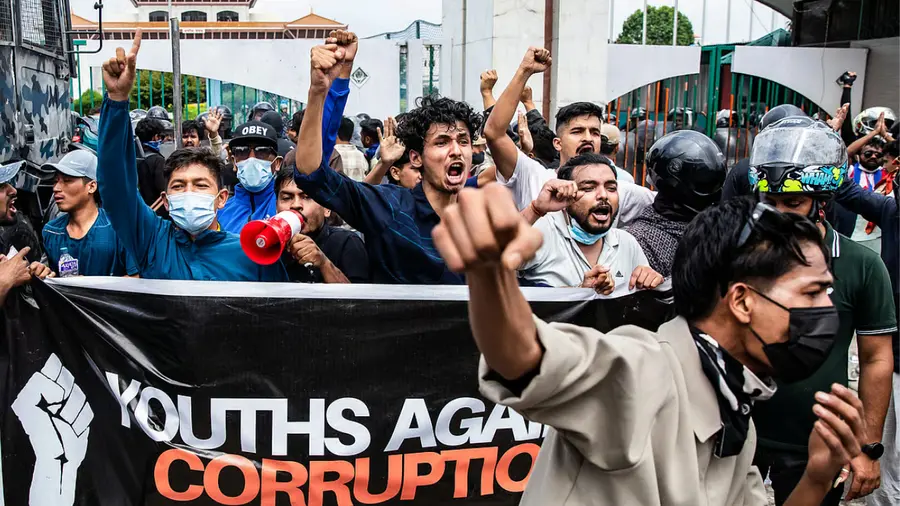
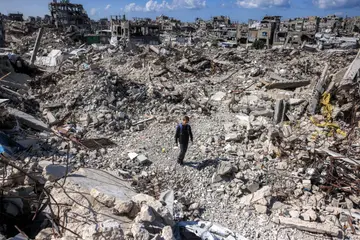
The ban sparked massive protests across the country, led primarily by young people in Kathmandu and other major cities. Initially peaceful, the demonstrations quickly turned violent. Protesters set fire to key government buildings including the Parliament, the Supreme Court, and the President’s office. Homes of prominent political figures, such as former Prime Ministers Sher Bahadur Deuba and Pushpa Kamal Dahal, were attacked and burned. In a particularly shocking incident, Rajyalakshmi Chitrakar, wife of former Prime Minister Jhalanath Khanal, was killed as their home was set on fire.
Prime Minister K P Sharma Oli resigned and reportedly left the country, along with Interior Minister Ramesh Lekhak. The unrest escalated further, with more government buildings attacked, vehicles burned, and the Mahottari Jail stormed, freeing 572 prisoners. In response, the government imposed curfews in Kathmandu and other cities and suspended all flights, closing airports including Tribhuvan International Airport.
Daily life has come to a standstill. Thousands of tourists, including many from Kerala, India, remain stranded. The Indian government has issued advisories warning its citizens to avoid travel to Nepal.
Following Nepal’s four-year IMF Extended Credit Facility (ECF) program, the government came under pressure to increase domestic revenue, leading to the introduction of a Digital Services Tax and stricter VAT rules for foreign e-service providers. When major platforms failed to register under these new requirements, the government responded by blocking them—an action that hit especially hard among young Nepalis, for whom social media is not just entertainment, but a critical space for accessing information, seeking jobs, and mobilising for social and political causes. Exacerbating frustrations among a population already grappling with youth unemployment above 20%, widespread corruption, and limited economic opportunities, the move triggered an immediate backlash.
The protests, led largely by Generation Z, have evolved beyond digital censorship into a broader movement demanding job creation, anti-corruption reforms, and better governance. With the economy heavily reliant on remittances—constituting about one-third of the GDP—many young people see migration as their only option for a better future. In the fiscal year 2024–25, over 839,000 labor permits were issued to Nepalis seeking work abroad, highlighting the depth of domestic economic stagnation.
The security forces responded with excessive force, including tear gas, rubber bullets, and live ammunition. So far, 22 people have died, with hundreds injured. Although the government has since lifted the social media ban and accepted the Prime Minister’s resignation, the protests continue, fueled by longstanding grievances.
The Communist Party of India (Marxist) expressed deep anguish over the deaths of 20 young protesters. The CPI(M) stated that the Gen Z-led movement reflects deep-seated anger over the repeated failures of successive governments to meet the aspirations of the youth. "Rampant corruption among ruling circles, mounting unemployment, and lack of opportunities for the predominantly young population are major causes behind the protests," the statement said.
The CPI(M) strongly condemned the violent targeting of political leaders and expressed particular concern over the attack on Rajyalakshmi Chitrakar. It emphasized the urgent need for dialogue and action to address the youth’s concerns, while warning against any regression toward monarchy or authoritarianism. "The outcome of these mass protests must be a democratic renewal, not a relapse into feudal rule," the statement concluded.
Political parties across the spectrum have acknowledged the depth of the crisis. Former Prime Minister Prachanda has called for anti-corruption measures and lifting restrictions on digital freedom.



Related News
Dont Miss it




0 comments