
Chinese Embassy India Launches Online Visa Application System

Web desk
Published on Dec 22, 2025, 11:19 PM | 2 min read
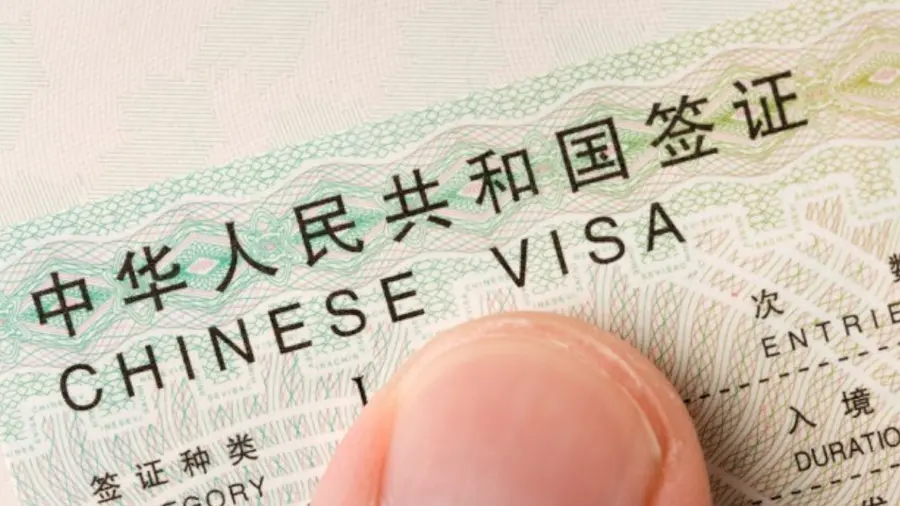
Beijing: The Chinese Embassy in Delhi has launched the 'China Online Visa Application System', allowing Indian passport holders to apply for visas online, according to a social media report. The new system simplifies the previous process, which required applicants to submit numerous paper documents in person, the Shenzhen-based online portal Greater Bay Area (GBA) reported.
The embassy had earlier announced on its official WeChat account that the online visa service would go live from December 22, 2025. The system enables applicants to fill out forms, upload required documents, and schedule biometrics electronically for tourist (L), business (M), student (X), and work (Z) visas.
Key advantages include complete digital submission, reducing consulate visits from two to one (for biometrics), real-time application tracking, and the option to pay fees in Indian rupees through UnionPay, avoiding foreign exchange mark-ups. Interested applicants can access the service at https://www.visaforchina.cn/DEL3_EN/qianzhengyewu for further details.
This development comes amid broader efforts by India and China to normalise relations following a four-year military standoff along the Line of Actual Control (LAC) in eastern Ladakh, which ended in October last year. Earlier this month, India also took steps to expedite business visas for Chinese professionals, though the vetting process for all Chinese visa applicants remains unchanged.
Tourist visa issuance to Chinese nationals, suspended since the LAC standoff began in May 2020, resumed in July. Both countries have agreed on several people-centric measures to reset ties, including resuming the Kailash Manasarovar Yatra, recommencing direct flights, and commemorating the 75th anniversary of diplomatic relations. Direct flights between India and China resumed in October.
The introduction of the online visa system marks a significant step in easing travel formalities and reflects a gradual thaw in bilateral ties, offering greater convenience for applicants and strengthening people-to-people exchanges between the two nations.
Tags



Related News
Dont Miss it








0 comments