
Chinese Premier Urges Global Consensus on AI Governance at Shanghai Summit

Web desk
Published on Jul 28, 2025, 04:10 PM | 2 min read
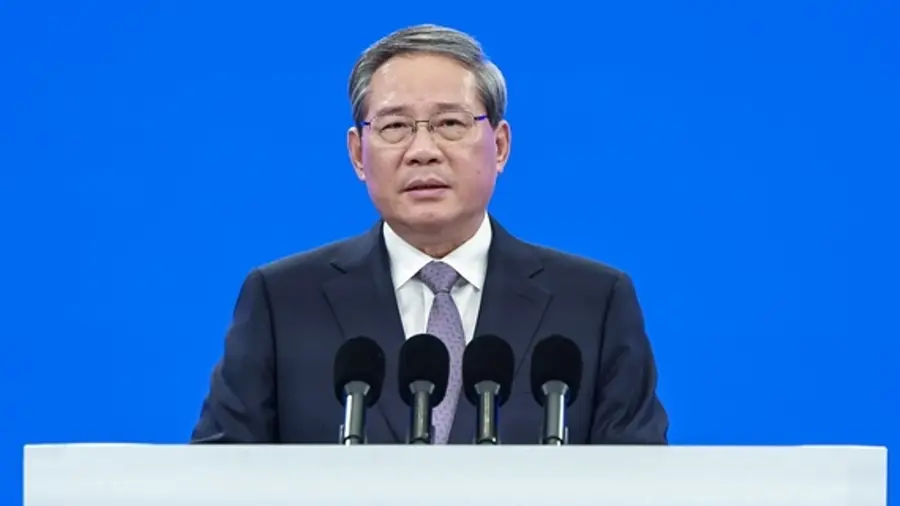
Shanghai: Chinese Premier Li Qiang on Saturday called for urgent international cooperation to establish a global governance framework for artificial intelligence (AI), stressing the need for broad consensus to guide its development and use.
Speaking at the opening of the 2025 World AI Conference and High-Level Meeting on Global AI Governance in Shanghai, Li said China attaches great importance to AI governance and is actively promoting multilateral and bilateral cooperation, offering “Chinese solutions” to shared challenges.
He proposed the creation of a global AI cooperation body to coordinate international efforts and address the rapid evolution of technologies such as large language models, multimodal systems, and embodied AI.
As AI becomes increasingly embedded in industry and daily life, Li noted, it is powering new economic growth. But he also warned of growing global concerns about the risks and ethical challenges it presents.
“There is an urgent need to build consensus on how to balance development and security,” Li said. “No matter how advanced the technology becomes, it must remain under human control. AI should serve as a global public good that benefits all of humanity.”
Li emphasized the importance of ensuring universal access to AI, so that developing nations and marginalized communities can also benefit. He said China is willing to share its technologies and development experience, particularly with countries in the Global South, to help strengthen their capabilities.
Calling for deeper innovation partnerships, Li expressed China’s readiness to engage in joint research and to increase openness around open-source technologies and products.
The conference brought together more than 1,000 representatives from governments, academia, and industry worldwide. An action plan for global AI governance was also released during the event, outlining key priorities for international collaboration.



Related News
Dont Miss it










0 comments