
“Hardly Any Part Uninjured”: Postmortem Details Walayar Lynching Horror
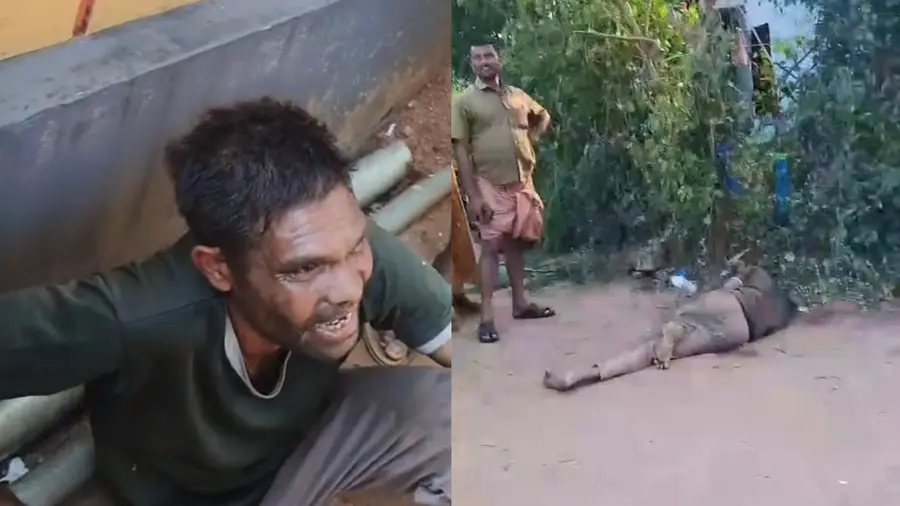
The brutal killing of a migrant worker in a mob attack at Attappallam in Walayar has sent shockwaves across Kerala, with a preliminary postmortem report revealing extreme violence and deep internal injuries as the cause of death. The victim, Ramanarayanan Bhayyal (31), a native of Bilaspur district in Chhattisgarh, succumbed to injuries after being allegedly lynched by a group that included RSS–BJP workers, police said.
According to Walayar police, the preliminary autopsy indicates severe trauma to internal organs, with injury marks on more than 20 parts of the body. The postmortem was conducted at Thrissur Medical College Hospital, where the body is currently kept in the mortuary. The full report is expected within two days.
The police surgeon who conducted the autopsy, Dr Hithesh Shankar, said there was hardly any part of the body left without injury. “There were assault marks on the back, chest, arms, legs and head, including damage to the brain. The assault was extremely brutal. Had even one person intervened, his life could have been saved,” the doctor said.
Police have arrested five people, including four RSS–BJP workers, in connection with the murder. Those arrested are Ananthan (55) of Kizhakke Attappallam, and BJP–RSS workers A Anu (38), C Prasad (34), C Murali (38), and K Bibin (30). All have been remanded to judicial custody.
Investigators believe more people may have been involved in the attack. CCTV footage from nearby areas has been collected, and police confirmed that videos recorded by bystanders show nearly 20 people surrounding the victim during the assault.
The incident occurred on Wednesday around 6 pm, when Bhayyal was allegedly attacked by a mob on suspicion of theft. Eyewitness accounts and viral video footage suggest that the attackers repeatedly accused him of being a “Bangladeshi national”, even as Bhayyal pleaded that he had come to look for his sister.
Videos circulating on social media show the attackers abusing him verbally and beating him on the face and head while questioning his nationality. Police have confirmed the authenticity of several such videos, which are now considered crucial evidence.
Bhayyal, who was reportedly under the influence of alcohol, collapsed after vomiting blood. He was taken to hospital by locals and police but died later that night. He had arrived in Kerala about a month ago for work near the Kanjikode KINFRA Park.
Police said the incident bears disturbing similarities to the 2018 lynching of tribal man Madhu in Attappadi, where the attackers themselves filmed and circulated videos of the assault. “The same pattern of mob trial and violence is evident here,” an investigating officer said.
Further video evidence shows Bhayyal being kicked on the head, neck and abdomen, and beaten with sticks. Police said more arrests are likely in the coming days.
Two of the arrested BJP workers, Murali and Anu, are known history-sheeters. They were accused in a machete attack on a CITU worker and a DYFI activist 15 years ago, a case that is still pending before the High Court. They also face multiple assault cases.
During the production of the accused before court, R Jinish (Kannan)—a BJP worker and accused in the SDPI activist Subair murder case—was seen visiting them, adding to political controversy around the case.
The CPI(M) Pudussery Area Committee alleged that more accused are being shielded by local BJP leaders and a former Congress woman panchayat member, demanding immediate action against all those involved. The party described the incident as a cold-blooded lynching driven by communal suspicion.
DYFI also demanded maximum punishment for the accused, calling the incident “shocking and a disgrace to a civilised society.” The organisation urged the state government to provide adequate compensation and support to Bhayyal’s family.
“This kind of cruelty is unacceptable in a state like Kerala, which has traditionally treated migrant workers with care and dignity,” the DYFI said in a statement.
The case has reignited debate on mob violence, vigilantism, and the safety of migrant workers in India.



Related News
Dont Miss it




0 comments