
Vizhinjam Port: Kerala's Vision Realized, India's Maritime Gateway

Anie Anna Thomas
Published on May 01, 2025, 07:30 PM | 12 min read
Thiruvananthapuram: As Kerala's LDF government enters its fifth year in office, it presents the people of Kerala with a monumental gift—the long-awaited Vizhinjam International Seaport. Inaugurated on May 2, 2025, by Prime Minister Narendra Modi, this deep-sea transshipment hub goes beyond the conventional idea of infrastructure. It symbolizes the unwavering resolve, long-term planning, and inclusive development model championed by the Left government — a vision that prioritizes public good over political gain. The commissioning of the first phase of port represents not just a new infrastructure project, but a transformative development that fundamentally alters India's position in global shipping networks.
Strategically located just 10 nautical miles from one of the world’s busiest international shipping corridors, the port is set to become a game-changer for South Asian trade logistics. It drastically reduces India’s reliance on foreign ports for container transshipment, bringing home billions in saved foreign exchange and anchoring India firmly on the global shipping map.
A Maritime Game-Changer
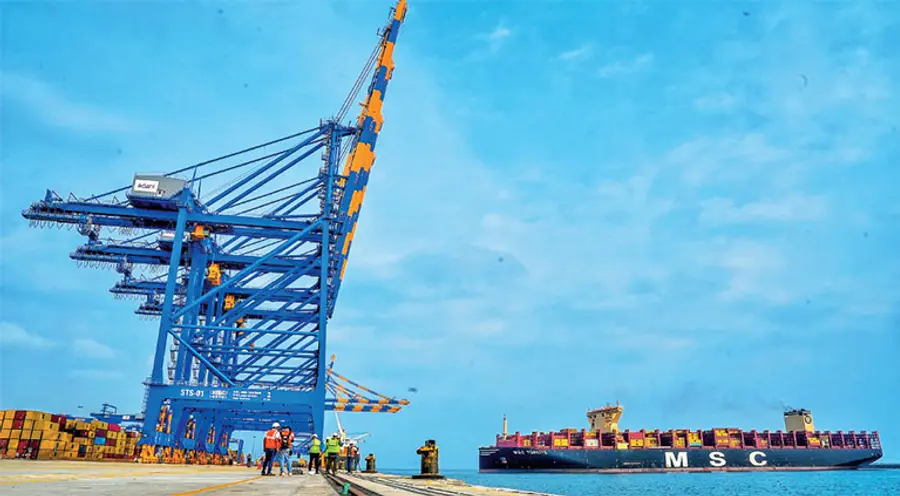
Vizhinjam stands apart as India's only port capable of receiving the world's largest mother vessels - giant cargo ships that were previously beyond the reach of Indian ports. The MSC Claude Girardet, the largest cargo vessel to ever dock in India, chose Vizhinjam for its berthing, underscoring the strategic advantage of the port's natural depth.
Chief Minister Pinarayi Vijayan emphasized this transformative potential during a press conference: "This is not merely the inauguration of a new port—it is a mega project preparing to blow a new wind of economic progress from the southern tip of the subcontinent, realized as a symbol of the Kerala government's willpower and long-term vision.'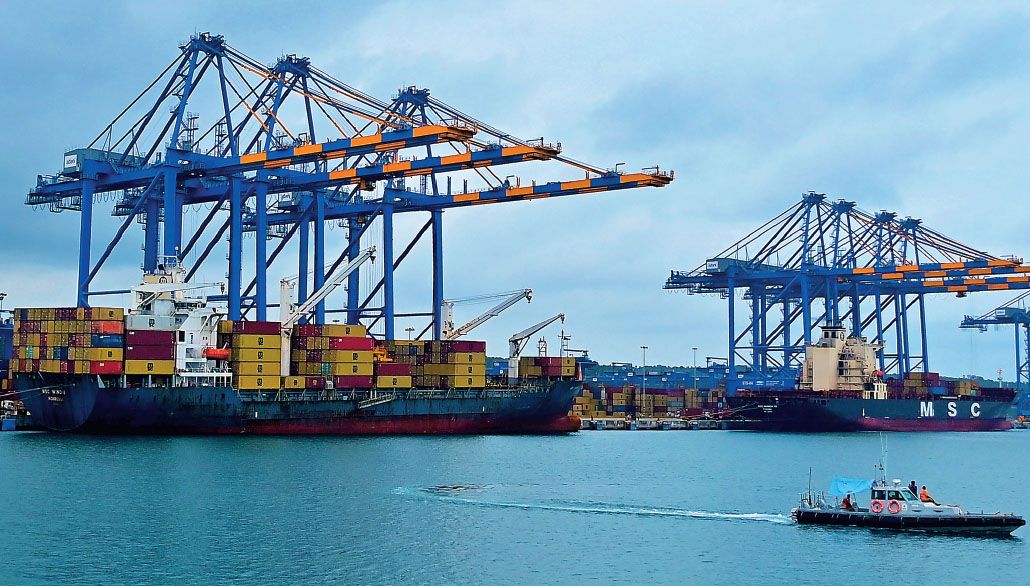
Until now, about 75% of India's container transshipment was handled by Colombo Port in Sri Lanka, resulting in substantial foreign exchange and revenue losses for the country. This led to an annual revenue loss of 2,500 to 3,000 crore rupees for India. Additionally, importers and exporters had to bear an extra cost of 7,000 to 8,500 rupees per container. With Vizhinjam becoming operational, a significant portion of this transshipment cargo is expected to be redirected to Kerala's shores.
Mother ships carrying up to 24,346 TEUs can easily dock here. The port is just 10 miles (18 kilometers) from the international shipping route. Ships from China can reach Vizhinjam in 10 days. From Vizhinjam, cargo ships can reach Europe in 22 days and America in 35 days. Currently, it takes over two months for a ship to reach Kochi or Thoothukudi
Technical Marvel and South Asia's First
The port stands as India's first semi--automated port and the first dedicated transshipment facility in the country. Its technological prowess is evident in several ground-breaking features that set it apart from other ports in the region. The facility boasts fully automated yard cranes and remote--operated ship-to-shore cranes that ensure speed and safety in operations, representing a significant leap forward in port technology for India.
One of the most impressive achievements is India's first indigenously developed AI--powered vessel traffic management system (VTMS), created in collaboration with IIT Madras. This system coordinates vessel movements with precision using artificial intelligence, radar, and sensors, enhancing both efficiency and safety.
The port features the deepest breakwater in India, extending nearly 3 kilometers into the sea and standing 28 meters tall — equivalent to a nine-story building. This massive structure ensures smooth port operations in all weather conditions and protects the harbor from the powerful waves of the Arabian Sea.
The port's performance during its trial phase, which began on July 13, 2024, has already demonstrated its immense potential. Over 272 massive vessels docked at Vizhinjam during the trial period, handling more than 5,50,000 containers. Commercial operations officially commenced on December 3, 2024, and the port has since shown impressive throughput metrics.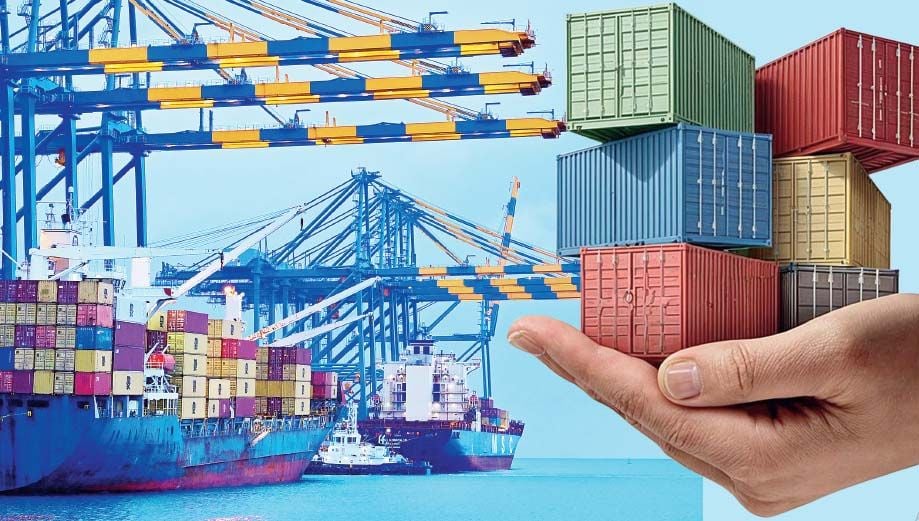
Global Recognition: Entry into the Elite Jade Service
In a major validation of its world-class capabilities, the Mediterranean Shipping Company (MSC) has included Vizhinjam in its prestigious Jade Service route—a global cargo network that links some of the world's most significant ports. This inclusion, coming even during the port's trial phase, is a remarkable achievement as only ports capable of handling large container vessels and ensuring high-capacity cargo movement make it to this elite list.
Vizhinjam now stands alongside major Asian ports like Qingdao, Ningbo-Zhoushan, Shanghai, and Yantian in China, Busan in South Korea, and Singapore. From Singapore, MSC vessels will reach Vizhinjam before proceeding to Valencia and Barcelona in Spain, and ultimately arriving at Gioia Tauro in Italy. This integration into one of the world's premier shipping routes underscores the strategic importance of Vizhinjam's location and capabilities.
This inclusion solidifies Vizhinjam's role as the new gateway for cargo movement in South Asia. Containers arriving in India will now be centered in Vizhinjam and then dispatched to other ports via smaller feeder vessels, creating a hub-and-spoke model that optimizes the flow of goods throughout the region.
Employment Generator and Economic Catalyst
The port has already proven to be a significant employment generator for Kerala and the surrounding regions. Even during its trial operation phase, Vizhinjam directly provided employment to over 755 people, with 67% from Kerala and 35% from the immediate Vizhinjam locality. This demonstrates the project's commitment to benefiting local communities and ensuring inclusive growth.
"More than 5,000 direct employment opportunities are being created as part of the port,' noted Chief Minister Vijayan. To ensure that local residents can access these skilled positions, a training center for port-based employment training will be established at a cost of ₹50 crore. This forward-thinking approach aims to build local capacity and ensure that the economic benefits of the port are widely shared.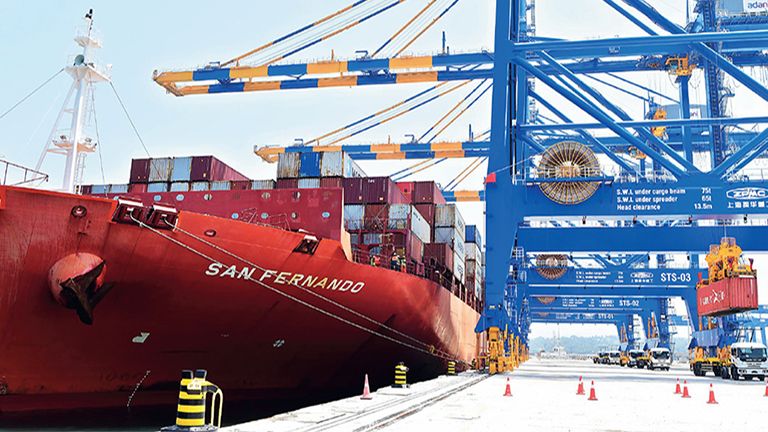
The port has also broken gender barriers in the maritime sector by hiring women, especially from fishing communities, as crane operators — a job traditionally performed only by men in India. This progressive approach to employment has garnered national attention and represents an important step toward gender equality in the maritime industry.
Looking beyond direct employment, unofficial estimates suggest that at least 1,00,000 indirect jobs will be created in sectors linked to the port's operations once all phases are complete. These will span logistics, warehousing, maintenance, hospitality, retail, and various support services required for a thriving port ecosystem.
The most significant benefit, however, is the potential to handle Indian cargo independently, without depending on foreign transshipment hubs. This will save billions of dollars in foreign exchange, reduce trade costs for Indian businesses, and eliminate delays in shipping, giving India greater clout in global trade networks.
A Multimodal Hub with Comprehensive Connectivity
Vizhinjam is designed as a true multimodal logistics hub with comprehensive connectivity options that enhance its value as a transportation node. Road connectivity to National Highway 66 is provided via a dedicated access route for swift cargo movement, ensuring seamless integration with India's road network. Kerala's first cloverleaf interchange is also planned to handle increased freight traffic seamlessly as the port grows.
A rail link connecting the port directly to the national rail network is currently under construction, which will allow for efficient movement of containers to inland destinations across India. This rail connectivity is crucial for maximizing the economic impact of the port beyond the immediate coastal region.
Further enhancing its multimodal credentials, the port benefits from its proximity to Thiruvananthapuram International Airport, just 15 kilometers away. This offers fast air connectivity for high-value and time-sensitive cargo, as well as facilitating the movement of personnel and business travelers.
This integrated connectivity gives Vizhinjam a competitive edge as a global transshipment hub and supports the broader development plans for the region. The port's ability to connect seamlessly with multiple transportation modes will make it an attractive option for shippers looking to optimize their supply chains.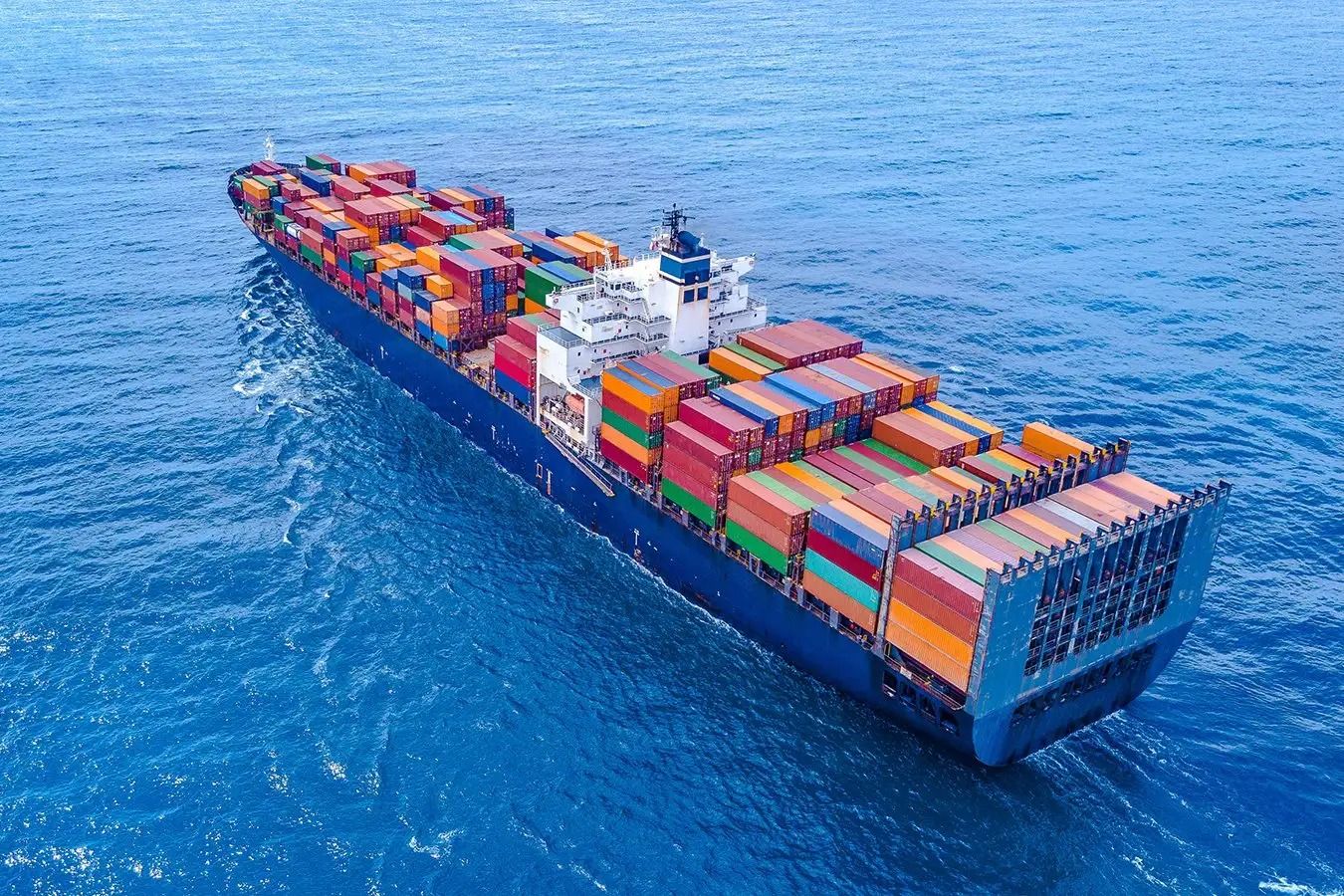
Ambitious Development Plans: The Growth Corridor
Looking beyond the port itself, the Kerala government has initiated the Vizhinjam–Navaikkulam Growth Corridor (Outer Area Growth Corridor), an ambitious development project modeled after China's Shenzhen. This project aims to transform the region between Vizhinjam and Navaikkulam into a major urban-industrial stretch through the construction of an Outer Ring Road.
The government is establishing thematic hubs across the 63-kilometer stretch, extending five kilometers on either side. A logistics township is planned in Vizhinjam to support port operations, while a health tourism hub in Kovalam will leverage the region's existing tourism infrastructure. A green and smart industrial hub in Kattakada will focus on sustainable manufacturing, and agro and food processing hubs in Kilimanoor and Kallambalam will strengthen the agricultural sector.
This comprehensive approach is blurring the boundaries between urban and rural areas and setting the stage for Thiruvananthapuram's transformation into a mega township. The project, expected to generate employment for approximately 3,00,000 people, is being implemented under the Capital Region Development Project–Phase 2 (CRDP-2) with the support of the Industries and Local Self Government Departments.
Land acquisition is being executed through an innovative land pooling mechanism, where landowners become stakeholders in the development instead of undergoing forced acquisition. For land acquisition, 1,000 crore rupees has already been sanctioned via the Kerala Infrastructure Investment Fund Board (KIIFB), out of the total 5,000 crore rupees estimated. This approach ensures land is acquired with owners' consent, promoting a more inclusive development model.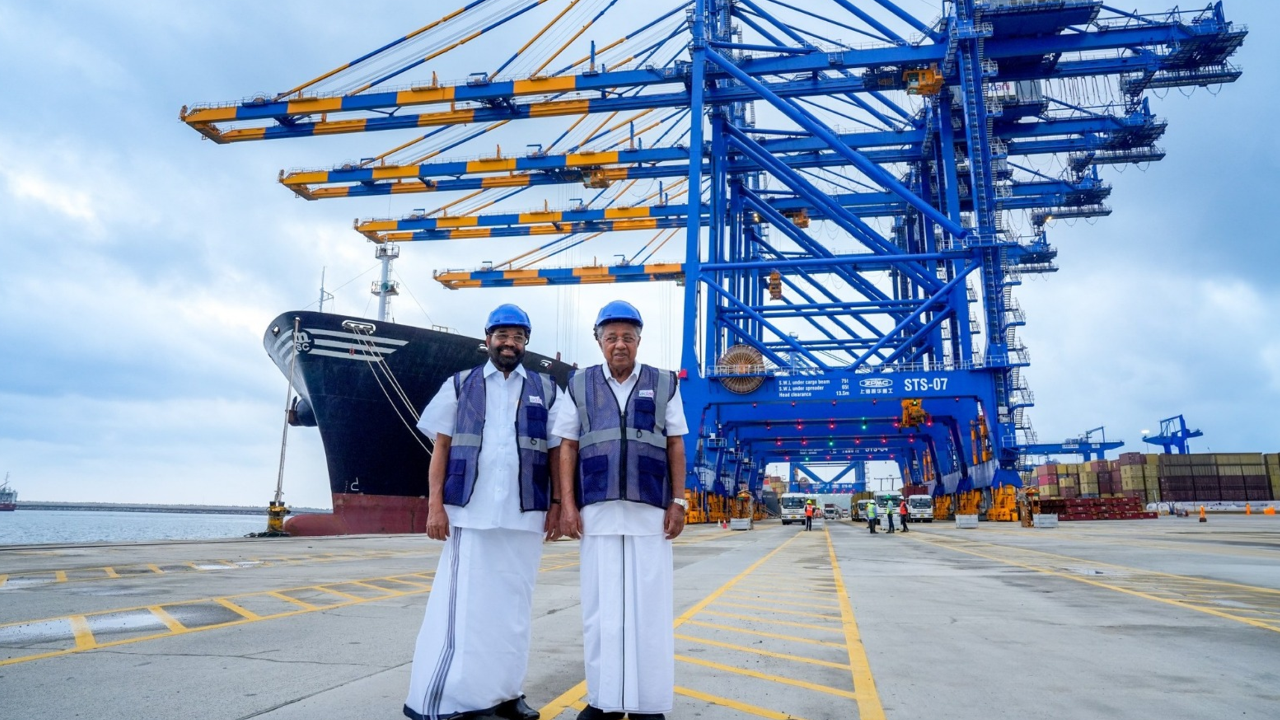
The Journey: From Vision to Reality
The vision of Vizhinjam dates back to 1996, when the E. K. Nayanar government initiated the first steps by appointing a committee to assess the port's potential. However, the project's path to completion was far from straightforward, facing numerous challenges and political shifts over the decades.
The A. K. Antony government, which came to power in 2001, rushed into tenders without completing the feasibility studies, leading to setbacks when the consortium was denied security clearance by the Centre. In 2006, the V. S. Achuthanandan government again approached the Centre for clearance, only to face another rejection — this time from Defence Minister A. K. Antony himself.
The project gained momentum in 2013 when the Left Democratic Front (LDF) organized a massive human chain from Vizhinjam to the Secretariat, with Pinarayi Vijayan as the first link, to protest government inaction. Under mounting public pressure, the Oommen Chandy government eventually signed a deal with Adani Ports in August 2015, though the agreement heavily favored Adani and placed most obligations on the state government.
When the first Pinarayi Vijayan government came to power in 2016, it refined the agreement and accelerated the project, demonstrating unwavering commitment despite numerous obstacles. The port weathered multiple natural calamities — Cyclone Ockhi in 2017 damaging the breakwater, the 2018 floods, unusually high tides, Cyclone Maha, and Cyclone Tauktae — along with local protests and COVID-related disruptions.
On October 15, 2023, the first ship carrying cranes arrived at Vizhinjam, marking a tangible step forward. The first cargo vessel docked on July 11, 2024, followed by the commencement of trial operations on July 12, 2024. These milestones represented the culmination of decades of effort and persistence.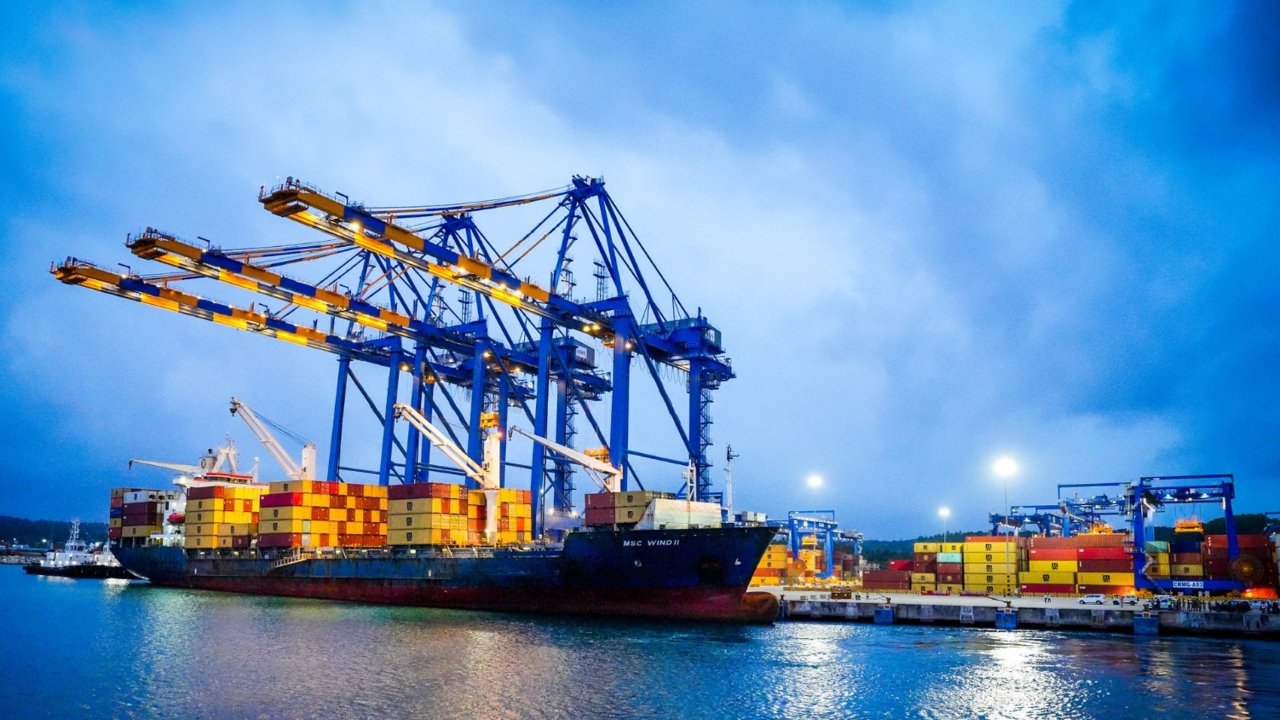
Centre Refuses to Give Grant
The first phase of Vizhinjam Port required a substantial investment totaling 8,867 crore rupees. The Kerala government shouldered the majority of this financial burden, contributing 5,595 crore rupees or 63% of the total cost. Adani Vizhinjam Port Private Limited, responsible for construction and operations, invested ₹2,454 crore (28%).
The central government provided 817.80 crore rupees (9%) as Viability Gap Funding (VGF), though not as a grant as repeatedly requested by Kerala, but as a loan to be repaid with interest. Critical components such as the construction of the breakwater, costing 1,350 crore rupees, were entirely funded by the state government, demonstrating Kerala's financial commitment to the project.
An additional 1,482.92 crore rupees must be spent by the state for railway connectivity by 2028, further adding to Kerala's investment in the port's infrastructure. Beyond infrastructure costs, the state government has also disbursed over 110 crore rupees to those whose livelihoods were affected by the port development, underscoring a commitment to social responsibility alongside economic development.
Five Mother Ships at Once: 2000m Berth, Massive Crane Expansion Underway
Vizhinjam's development is far from complete, with ambitious expansion plans already in motion. The port will have a 2000-meter berth capable of accommodating five mother ships at the same time. This will be realized as Phases 2 to 4 of the Vizhinjam project are completed. Once the next construction phase is completed, the port is projected to have an annual installed capacity of 3 million TEUs (Twenty-foot Equivalent Units), significantly increasing its cargo handling capabilities. This phase of expansion is estimated to cost 10,000 crore rupees and will be fully funded by Adani Ports.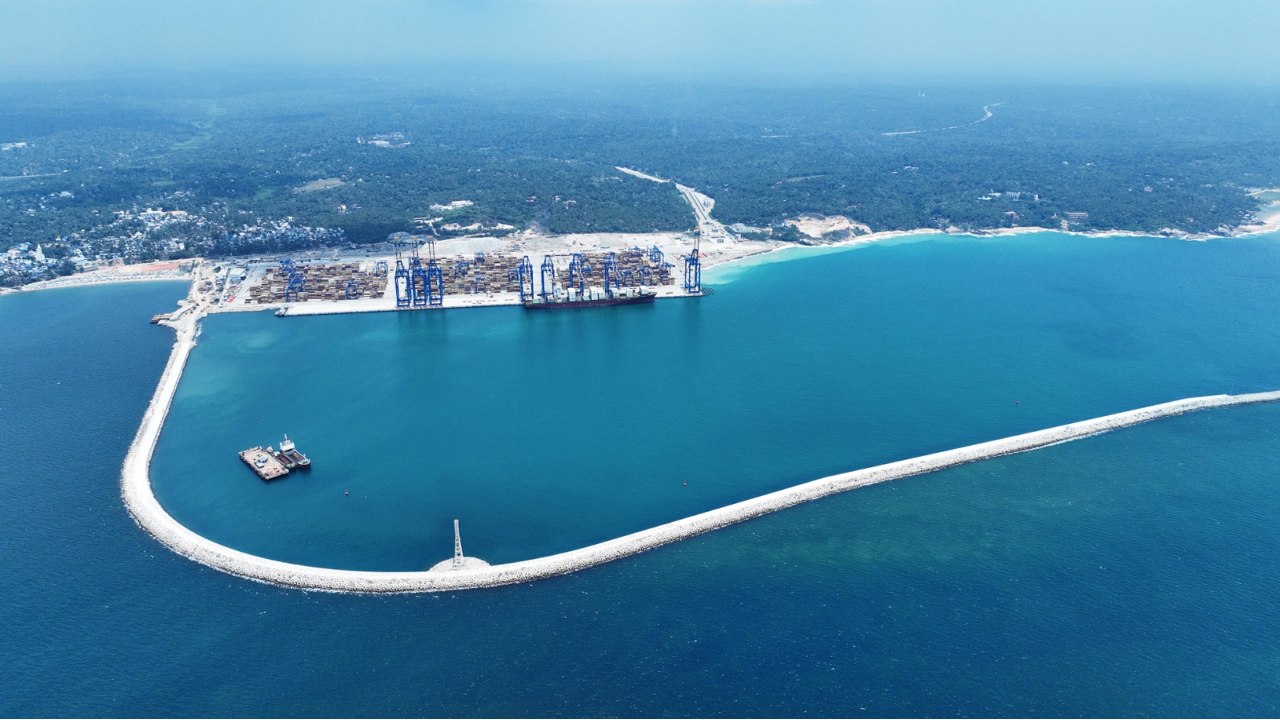
The supplementary concession agreement signed by the LDF government has accelerated the timeline for completion. While the original agreement projected final phase completion by 2045, the new agreement has brought that forward to 2028, representing a significant acceleration of the development schedule.
The revised agreement also improves the state's financial position. Under the earlier timeline, Kerala would receive revenue from the port only in 2039 — 15 years after operations began. Now, according to the new agreement, the state will start earning revenue from 2034, five years earlier than originally scheduled, providing more timely returns on the substantial public investment.
Dignitaries Unite for Vizhinjam's Launch
The ceremonial welcome for Prime Minister Modi on May 1 will be provided by the massive container vessel MSC Celestino Maresca, which has already reached the outer sea and will be berthed on Thursday. With a length of 399 meters and a width of 61 meters, the ship has a capacity to carry 24,116 TEUs, symbolizing the scale of operations Vizhinjam is designed to handle.
The commissioning ceremony will be attended by Governor Arif Mohammed Khan, Union Minister Sarbananda Sonowal, Opposition Leader V. D. Satheesan, Union Ministers of State Suresh Gopi and George Kurian, and MP Shashi Tharoor, marking a historic milestone in Kerala's developmental journey.
"With the commissioning of the port, Kerala's name will be written in golden letters in the world maritime trade sector," said Chief Minister Vijayan. "It is the determination of the LDF government that made the port a reality.'
Tags



Related News
Dont Miss it










0 comments