
Gender
Kerala Moves Forward on Transgender Rights with Housing Support

Anusha Paul
Published on Aug 14, 2025, 03:47 PM | 5 min read
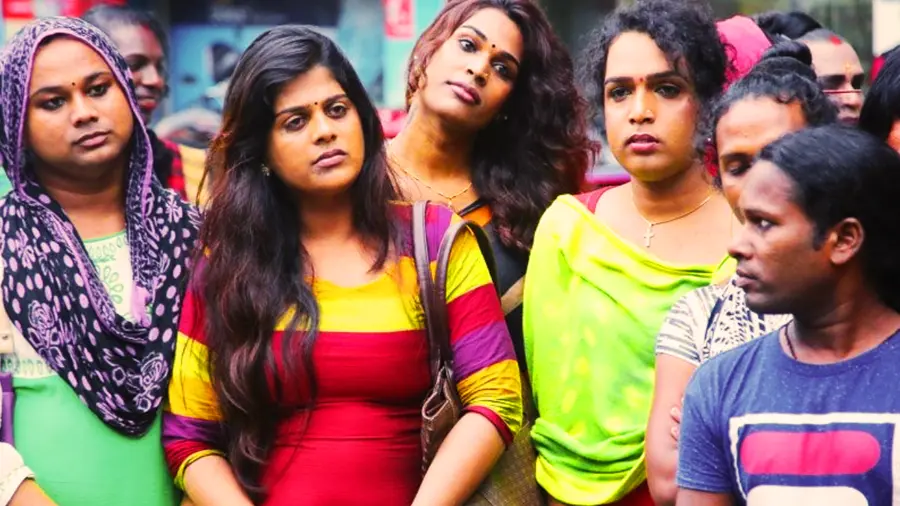
“Roti, Kapda aur Makaan”—food, clothing, and shelter—the basic rights have been a dream for the majority of Indians. For transgenders, these basic rights are even more difficult to access. Now, Kerala is taking steps to keep that overlooked promise for one of the country’s most marginalised groups.
This month, the state government, led by the Left Democratic Front (LDF), will launch a special housing scheme for transgender individuals. The initiative will launch during the Varnapakittu Transgender Arts Festival in Kozhikode from August 21 to 23. It offers a housing support system that addresses the real-life challenges faced by transgender persons.
Instead of a one-size-fits-all approach, the scheme provides several options. For those without land or a house, the government will offer an interest-free loan of Rs. 15 lakh. The beneficiary will only need to repay the principal through manageable monthly payments, while the state covers the interest.
Those who already own land or have received land through other programs will get Rs. 6 lakh for construction, paid in three installments based on construction progress. There is a third option for those who have already received help from Kudumbashree or local self-government programs; these individuals can receive an additional Rs. 4 lakh under the new initiative, bringing the total to Rs. 6 lakh to help improve their housing.
The scheme also focuses on transgender individuals who are elderly, disabled, or living in unsafe or temporary conditions. Applications can be submitted online or in person, and a technical committee led by the Director of Social Justice will manage the selection process with an initial budget of Rs. 50 lakh.
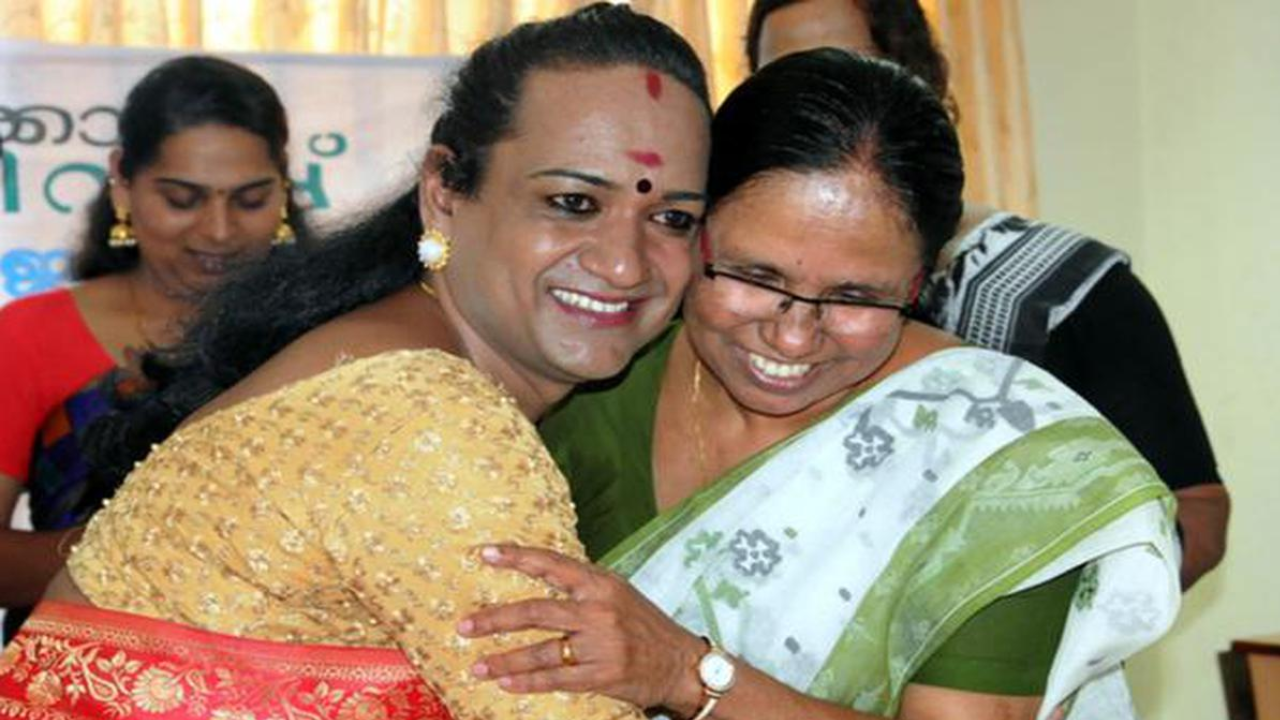
“This is not just about building houses,” she said. “It is about building futures. For years, we have been asking to be seen, not pitied. This scheme tells us: yes, you exist, and yes, you deserve stability. And we appreciate this move by the State Government.” 
This is not Kerala’s first attempt at inclusive policies for transgender individuals. The state has consistently been a leader in India regarding transgender rights. In 2015, it became the first Indian state to adopt a transgender policy aimed at ensuring equality and protection from discrimination. This move sparked changes in education, healthcare, employment, and social welfare.
A major achievement came in 2016 when the state began free sex reassignment surgery (SRS) at government hospitals, starting with the Government Medical College in Thiruvananthapuram.
This made Kerala the first state to include gender-affirming healthcare in its public health system. That same year, the government set up a Transgender Justice Board to address community concerns in policy implementation, which included transgender representatives for visibility and decision-making.
Kerala's advancements did not stop at healthcare and governance. It was the first state in India to create a one percent reservation in government jobs for transgender persons and provided scholarships and fee reductions in education. In Kochi, the state opened India’s first transgender residential school, Sahaj International, in 2017 to support transgender individuals who had left mainstream schooling due to bullying, stigma, or displacement.
The state also launched transgender-friendly public toilets, beginning with the “She-Toilet” initiative in Kochi. In 2017, state began providing housing for transgender individuals facing homelessness. Including transgender beneficiaries in the Life Mission housing program reinforced the belief that shelter is a right for everyone, regardless of gender identity.
Life Mission itself is one of Kerala’s most ambitious welfare programs aimed at providing dignified housing to landless and homeless families. Since 2017, it has built over 4,24,800 lakh homes. These houses offer more than just structures; they include essential infrastructure like water, electricity, and sanitation, all on legal land titles for the beneficiaries.
Kerala’s transgender community has also made progress in cultural, sporting, and civic engagement. In 2017, the state allowed transgender athletes to compete in women’s categories in official sports events. It supported artistic expressions through initiatives like Queer Fest and established Cafe Transgender in Kozhikode, a restaurant run entirely by transgender individuals. In 2020, Kannur elected India’s first transgender mayor, sending a clear message about representation in politics.
In recent years, Kerala’s schools have introduced gender-neutral uniforms, and transgender-inclusive clinics have been created as part of the Aardram Mission to reform and improve healthcare services. The government is also among the few advocating for the recognition of transgender marriages and adoption rights.
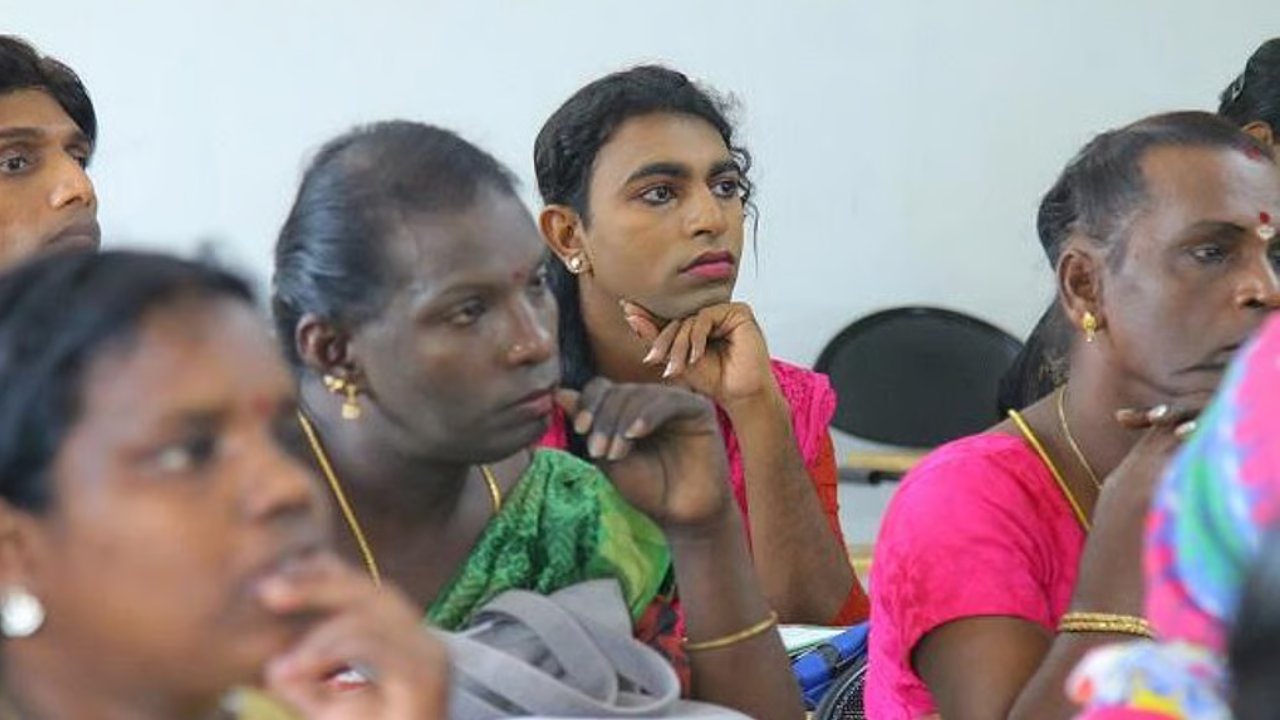
A 2024 study by the George Institute for Global Health found that nearly 43 percent of transgender women in the country experience moderate to severe depression, with almost half having attempted suicide. The root causes are complex and include familial rejection, educational exclusion, unemployment, lack of housing, and frequent violence.
Another article by LiveLaw highlights significant gaps in India’s criminal justice system concerning sexual assault laws, which remain tied to a binary gender framework, leaving transgender survivors without adequate legal options.
In this context, Kerala’s new housing scheme offers more than shelter; it provides security, privacy, stability, opportunity and the courage to battle against the system that causes the depression. Kerala is often recognised as a model for public health, literacy, and decentralised governance. Now, with this housing initiative, it has an opportunity to become a model for inclusive, rights-focused policy in action. The state sends a clear message: everyone deserves to belong, and dignity is a guarantee, not something to be earned.
As the Varnapakittu festival prepares to honour transgender voices in art and culture, Kerala is also setting the stage for something quieter but equally significant. It is showing its transgender citizens that this state is their home, and it is being built with them, not just for them.



Related News
Dont Miss it








0 comments