
Extremely Heavy Rain Warning in Keralam; Red Alert in Three Districts
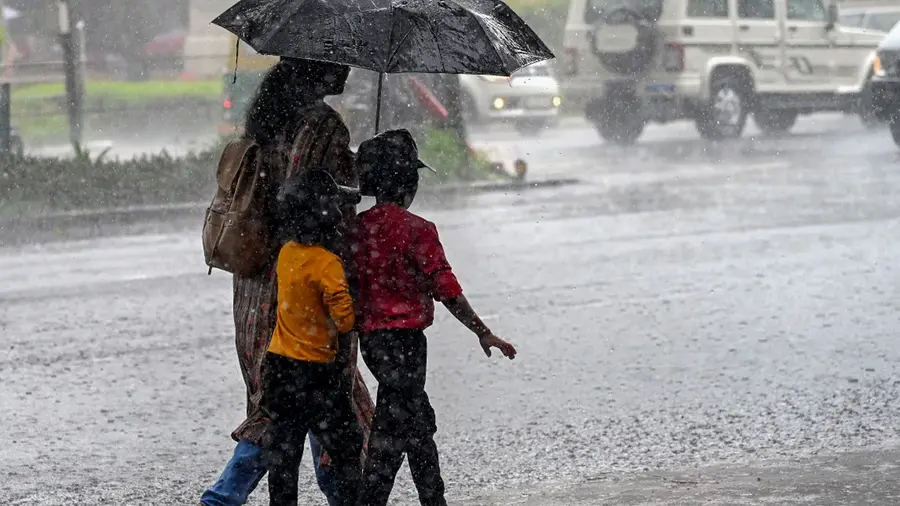
Image used for representation
Thiruvananthapuram: The India Meteorological Department has warned of extremely heavy rainfall in several districts of Keralam and issued red alerts for three districts. Malappuram, Kozhikode and Wayanad are under red alert, with rainfall exceeding 204.4 mm in 24 hours forecast. Orange alerts have been issued for Pathanamthitta, Kottayam, Idukki, Ernakulam, Thrissur, Palakkad and Kannur, while Thiruvananthapuram, Kollam, Alappuzha and Kasaragod are under yellow alert.
The State Disaster Management Authority warned that extremely heavy rainfall could cause dangerous situations, with intense downpours expected within a short period. Flash floods and sudden surges in water levels are possible. Waterlogging may also occur in urban areas and generally low-lying regions. Continued rainfall could trigger landslides and landslips, and the public and government agencies have been urged to remain highly vigilant.
Alerts for the Coming Days
Red alert
October 26, 2026: Idukki, Palakkad
Orange alert
October 26, 2026: Pathanamthitta, Kottayam, Ernakulam, Thrissur, Malappuram
Yellow alert
October 26, 2026: Thiruvananthapuram, Kollam, Alappuzha, Kozhikode, Wayanad
October 27, 2026: Pathanamthitta, Kottayam, Idukki, Ernakulam, Thrissur, Palakkad, Malappuram
Special Safety Instructions for the Public
People living in hilly areas experiencing heavy rainfall, particularly in locations vulnerable to landslides, landslips and flash floods, should move to safer places. They should be prepared to relocate during the daytime itself. Those living in low-lying areas that regularly experience waterlogging should assess the situation and move to designated relief camps.
As strong winds are possible, people living in houses that are not structurally secure or have weak roofs should exercise extra caution. Those facing potentially dangerous conditions should contact the authorities and relocate to safer places as a precaution. Dangerous trees, electric poles, signboards and walls in public and private spaces should be secured, and trees should be pruned. Any hazardous conditions should be brought to the attention of the authorities.
During heavy rainfall, people must not cross rivers or enter rivers and other water bodies for bathing, fishing or any other purpose. Unnecessary travel should be avoided as far as possible when rainfall intensifies. Recreational trips to waterfalls, water bodies and hilly areas should be avoided until the rain warnings are withdrawn. Extra caution should be exercised when travelling on roads alongside water bodies and on roads undergoing repairs. People should be aware that the risk of road accidents may increase during extremely heavy rainfall.
As strong sea incursions are possible along various coastal stretches, people living in vulnerable areas should remain alert and relocate when necessary. Fishing equipment should be kept secure. Relief camps should be prepared in advance in districts under red and orange alerts if heavy rainfall continues. People should find out from the relevant revenue and local self-government authorities which buildings have been identified as relief camps in their areas and familiarise themselves with safe routes to reach them.
People living in disaster-prone areas should prepare an emergency kit immediately. They must not climb onto bridges over water bodies to view the surroundings or take selfies, or gather in groups there. Night travel to hilly areas should be completely avoided.
People should also watch out for accidents caused by trees being uprooted and poles collapsing in strong winds. Fallen electric lines could pose a serious hazard. Before stepping into waterlogged lanes or footpaths, people must ensure there is no risk of electrical accidents. Those leaving for work early in the morning and students travelling to classes should take particular care. Any dangerous electrical lines should be reported to the KSEB by calling 1912.
Taluk- and district-level control rooms operate round the clock in all districts of Keralam. For assistance or to report potential hazards, the public can contact the toll-free numbers 1077 and 1070.



Related News
Dont Miss it








0 comments