
Kerala Declared India’s First Extreme Poverty-Free State: Thousands of Lives Transformed
Anie Anna Thomas
Published on Oct 31, 2025, 07:34 PM | 7 min read
Annamma, an 84-year-old from Perumbavoor in Ernakulam, once lived in a crumbling house that could collapse at any moment. Life had been comfortable once, but everything changed when her husband Isaac, a daily wage worker, suffered a severe spine injury after a fall. The months of hospital treatments drained their resources, and when Isaac passed away seven years ago, Annamma was left to face life alone in a dilapidated home. With her two daughters married and living separately, Annamma’s future seemed uncertain.
It was a panchayat ward member who first brought her plight to the authorities’ attention. Through the Extreme Poverty-Free Kerala Project, her story took a new turn. She received a new house, food security, and dignity. “My days of hunger and fear are over,” Annamma said with gratitude, thanking the LDF government for helping her rebuild her life.
In Aluva, K. Ramani’s story mirrored Annamma’s journey of renewal. Ramani and her son, once homeless and struggling to make ends meet, received support from the local panchayat and Kudumbashree. She received Rs 25,000 from the panchayat to start a lottery business. Later, Keezhmad Panchayat purchased three cents of land for her at Vengoor for Rs 2.25 lakh. Under the LIFE project, Rs 4 lakh was sanctioned for a new house—half of which is already complete. Ramani now hopes to move into her new home soon with her son.
A few hundred kilometres away, in Thiruvananthapuram, Geetha’s life followed a similar path of hope and revival. “We used to survive on domestic work, but when we couldn’t manage anymore, everything seemed bleak. Under the Extreme Poverty-Free Kerala scheme, we started a small vegetable shop near the Gaurishapattam temple. That business has turned everything around for us,” Geetha shared. What began as a humble venture has provided her family with a stable income, bringing both security and hope for a brighter future.
These are not isolated stories. Across 1,032 local bodies in Kerala, 64,006 families like theirs have been lifted from extreme poverty — a remarkable transformation that has made Kerala the first state in India to achieve complete freedom from extreme poverty.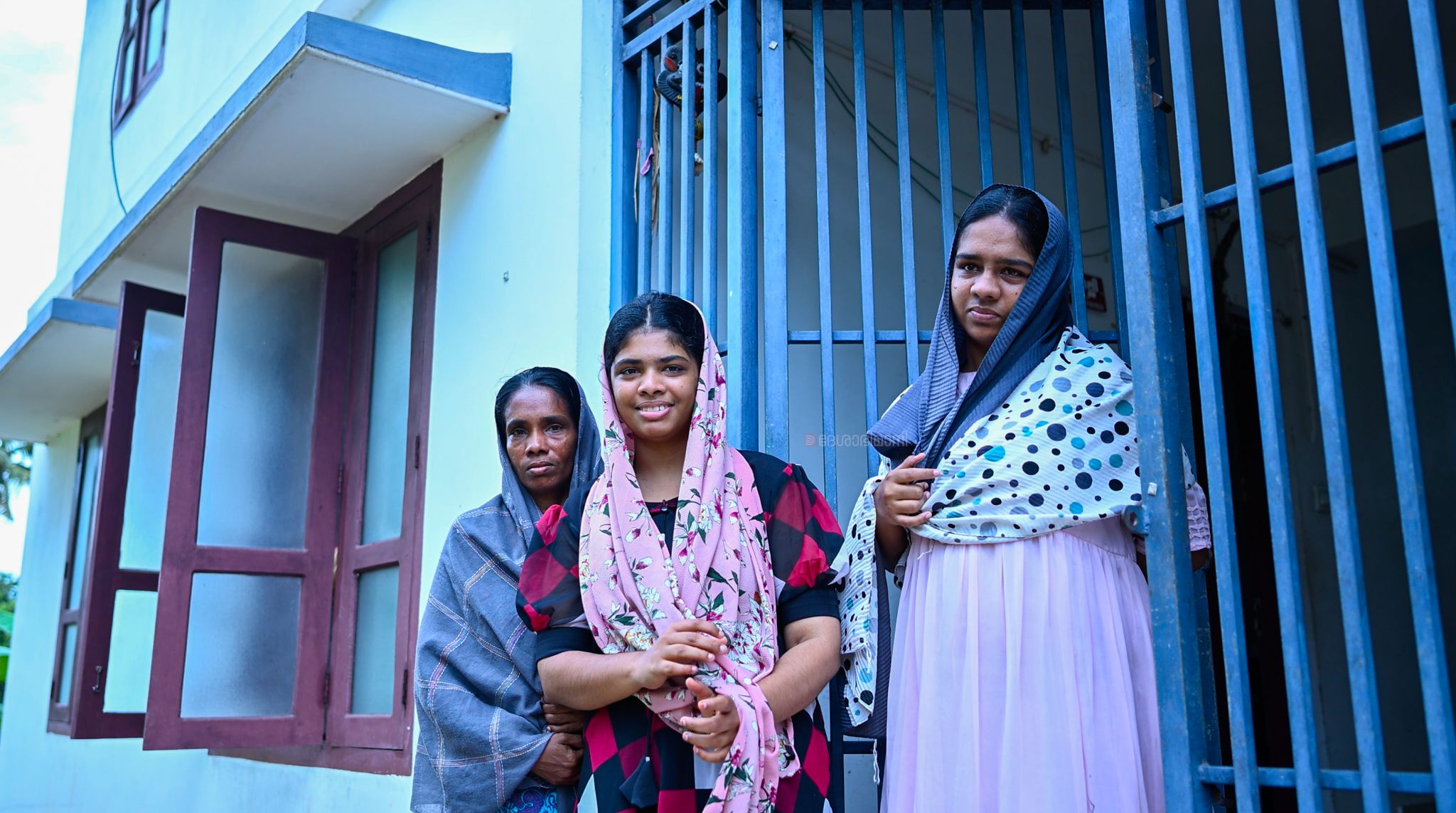
From Despair to Dignity: A Statewide Transformation
Kerala’s achievement, set to be officially declared on Kerala Piravi Day, November 1, is not a coincidence — it is the result of a systematic, people-centred effort led by Chief Minister Pinarayi Vijayan and the LDF government. The initiative, known as the Athidaridrya Nirmarjana Yajnjam (Extreme Poverty Eradication Project), was the first cabinet decision of LDF government’s second term in 2021. It focused on the most vulnerable — those without food, shelter, income, or access to healthcare.
Through a scientific, data-driven approach, 1,03,099 individuals across 64,006 families in 1,032 local self-governments were identified as living in extreme poverty. Deceased persons, migrants, and those listed twice — a total of 4,729 names — were later excluded to ensure accuracy.
Each household was personally visited, and a micro-plan was prepared to address its unique needs. No uniform formula — just tailored solutions rooted in human empathy. This groundwork became the backbone of Kerala’s pathbreaking success.
Food, Shelter, Health, and Hope
The first priority was to ensure that no one went hungry. 20,648 families who once struggled to secure a single meal now have guaranteed food. Among them, 18,438 families receive food kits through ration shops, while 2,210 households incapable of cooking are served daily cooked meals through Kudumbashree’s Janakeeya Hotels and community kitchens.
In healthcare, 85,721 individuals across 29,427 families received medical treatment and medicines, while 14,862 single-member households were given special attention. 35,955 people were assured continuous supply of medicines, 5,777 received palliative care, and many others gained access to preventive check-ups and free follow-up care.
For the homeless and landless, the government ensured housing security. Of the 4,677 families who needed new homes, 4,005 houses have been completed, and 672 are under construction. Additionally, 5,522 homes have been renovated, and 2,713 landless families have been given plots to build their homes. All families in need are safely accommodated until construction is completed.
In addition, the Revenue Department helped identify and allocate 2,832.645 cents of land to 439 families, while 203 cents were distributed under the Manasodithiri Mannu initiative. 428 single-member households were relocated to shelter homes, ensuring their safety and security.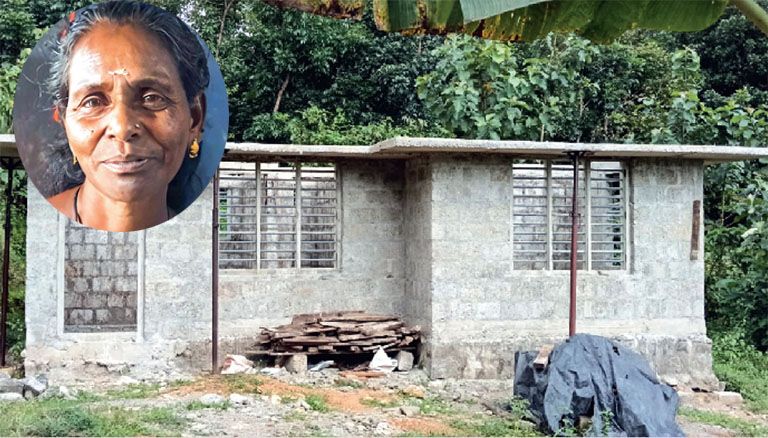
Empowering Livelihoods and Inclusion
The project went beyond welfare — it focused on self-reliance. Through the Ujjivanam initiative under Kudumbashree, 4,394 families received job training, microfinance support, and entrepreneurship assistance. More than 3,800 families now earn steady income through these initiatives.
To ensure full inclusion in the social safety net, 21,263 people received essential documents such as ration cards, Aadhaar, voter IDs, pensions, and health insurance through the Avakasam Athivegam campaign. 5132 families obtained ration cards, 3974 received Aadhaar, and 4382 voter IDs were distributed. 1721 people were granted social security pensions, and others were helped open bank accounts and access employment cards.
Children from these families now travel free on KSRTC and private buses, and receive school kits, bags, and lunch support to continue their education without interruption.
The Kerala Model: Justice, Equality, and Human Dignity
Kerala’s poverty eradication model is rooted in decades of social reform, land redistribution, and public education that began in the 1950s. The Communist-led government continues to sustain a socialist framework where economic growth and redistribution move together — ensuring that development is not about wealth alone but about dignity for all.
Strong local self-governments, decentralised planning, and people’s participation have made this possible. Kudumbashree, the LIFE Mission, and LSGD together turned what seemed like an ambitious social dream into a tangible reality.
According to NITI Aayog’s Multidimensional Poverty Index (MPI) 2023, Kerala already had the lowest poverty ratio in India — just 0.48%. But instead of stopping there, the state pushed forward to reach even those “unseen and unheard,” lifting them completely out of destitution.
As of September 15, 2025, 96.13% of identified families — 55,861 out of 64,006 — have been fully lifted from extreme poverty. The remaining 2,148 families crossed the threshold by October 31, 2025, ensuring that Kerala is 100% free from extreme poverty as of November 1, 2025.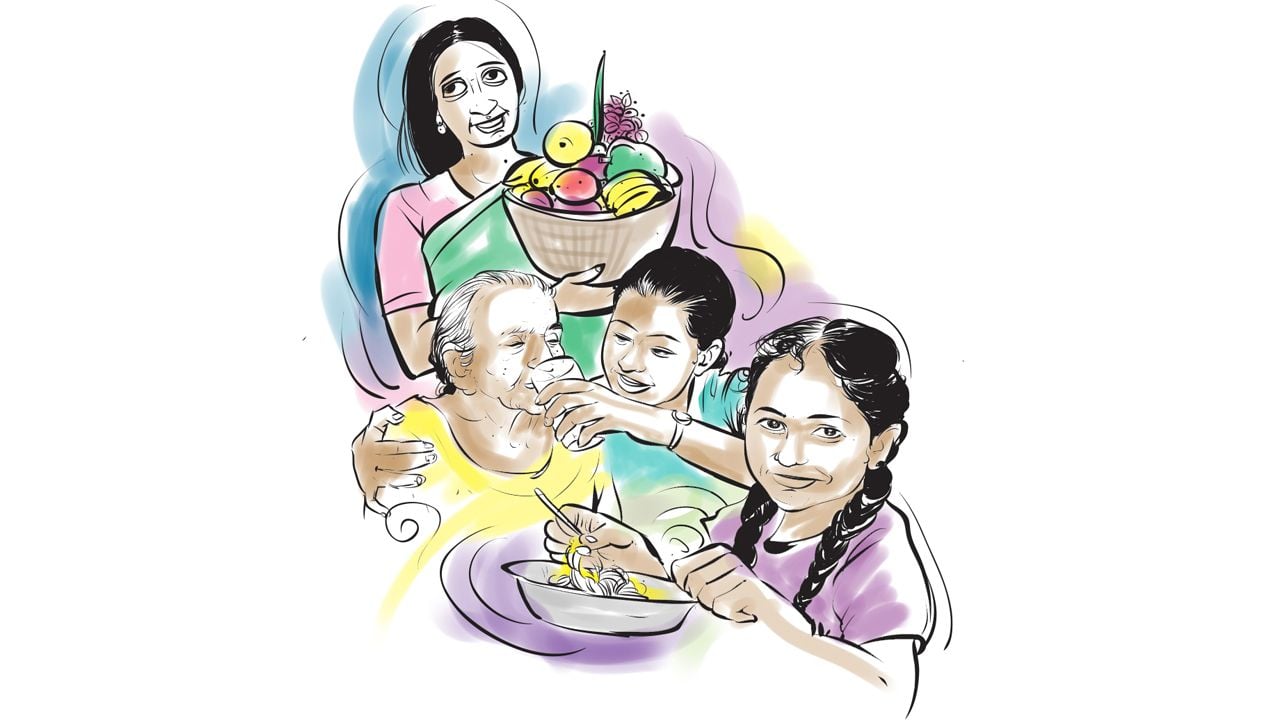
Building a New Kerala, Leaving No One Behind
The Extreme Poverty Eradication Project (EPEP) is not just an administrative success — it is a human story of inclusion and compassion. It united local bodies, officials, volunteers, and ordinary citizens in a shared mission of transformation. Over 14 lakh people participated in identifying and supporting the poorest families.
Districts and constituencies began achieving milestones — Kottayam became the first district to completely eradicate extreme poverty, and Dharmadam the first constituency to do so.
The state invested over Rs 1,000 crore to ensure no one was left behind — in food, health, housing, or dignity. The upcoming declaration at Trivandrum Central Stadium at 5 PM on Kerala Piravi Day will mark this extraordinary moment, with Mammootty, Mohanlal, and Kamal Haasan attending as special guests, alongside Chief Minister Pinarayi Vijayan, Speaker A. N. Shamseer, and all state ministers.
As Pinarayi Vijayan said, “Kerala gives the world a strong message — that with collective effort, poverty and even extreme poverty can be completely wiped out from a region. This is the Kerala model of social justice, equity, and compassionate governance in action.”
With this, Kerala not only becomes the first Indian state to achieve the UN Sustainable Development Goals of ‘No Poverty’ and ‘Zero Hunger’, but also sets an example of how collective governance, empathy, and political will can reshape human destiny.
On Kerala Piravi Day, as the state celebrates its birth, it also celebrates its rebirth — a New Kerala, where no one is left behind.



Related News
Dont Miss it




0 comments