
Kerala’s Schools Take a Leap Towards Holistic Learning and Child Well-Being

Web desk
Published on Oct 02, 2025, 12:28 PM | 3 min read
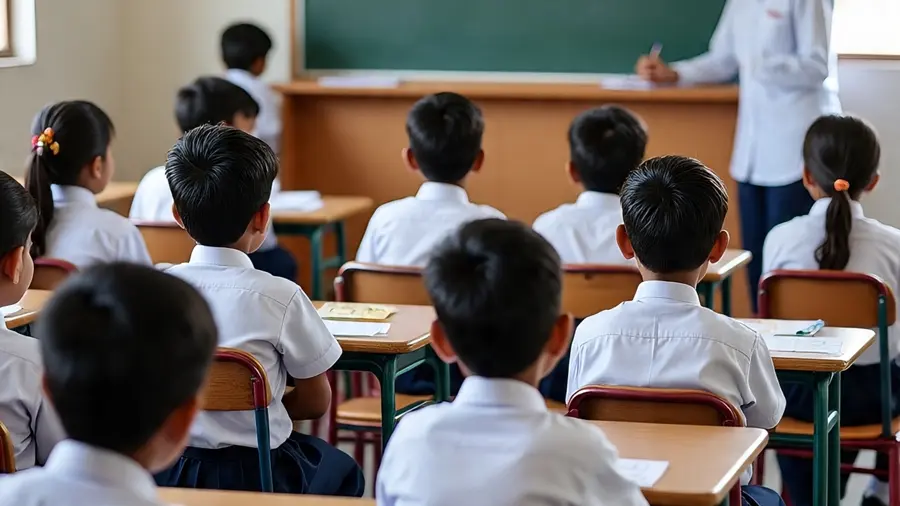
Thiruvananthapuram: In a quietly transformative move, Kerala’s Public Education Department is reshaping the way children experience schooling, blending scientific insight with practical care to foster a more supportive and inclusive learning environment. The initiatives, launched across the state, are carefully designed to reach every child, regardless of background, ensuring that potential is nurtured rather than hindered.
One of the most ambitious measures is the introduction of teachers as primary counsellors. Recognising that children spend the bulk of their waking hours in classrooms, the Education Department has positioned teachers at the frontline of mental health and well-being. Through a multi-tiered training programme, educators are now equipped to detect mental and physical health concerns early, provide psychological support, and even prevent substance abuse.
The training unfolds in stages: initial master-level training for select teachers, followed by district-level workshops, and finally school -based sessions where all high school and higher secondary teachers participate. These sessions blend theory with hands-on practice, ensuring that teachers not only support students but also maintain their own well-being. The result is a network of informed educators ready to respond to subtle signs of stress or difficulty, quietly lifting barriers that might otherwise go unnoticed.
Complementing this initiative is Suraksha Mitram, a programme aimed at safeguarding children from neglect or harassment, particularly in complex family situations. By maintaining confidential records, conducting monthly home visits, and providing a channel for students to report concerns, the scheme ensures that children receive the attention and protection they need. Teachers, child welfare committees, and friendship clubs work together to create a secure and nurturing environment, subtly addressing challenges that may be more pronounced in households where resources or support systems are limited.
Kerala is also breaking new ground in inclusive education. For the first time in India, the state has developed special textbooks tailored for hearing -impaired students. These books, rich in illustrations and simplified content, allow children to master fundamental literacy skills in a manner aligned with their learning needs. By easing the transition from specialised to general textbooks, the initiative opens pathways to mainstream education, offering every child an equal chance to thrive academically.
Taken together, these measures underscore a philosophy that education is more than grades or exams. By focusing on mental health, personal safety, and accessibility, Kerala is quietly leveling the playing field, ensuring that even children from modest homes can learn, grow, and imagine possibilities beyond their immediate circumstances. The state’s approach suggests a future where schools function not just as centres of learning, but as bastions of support, guidance, and opportunity for every student.



Related News
Dont Miss it








0 comments