
USCIS Changes H-1B Rules; Higher Skills and Salaries Now Key for Indian Applicants

Web desk
Published on Dec 23, 2025, 10:32 PM | 2 min read
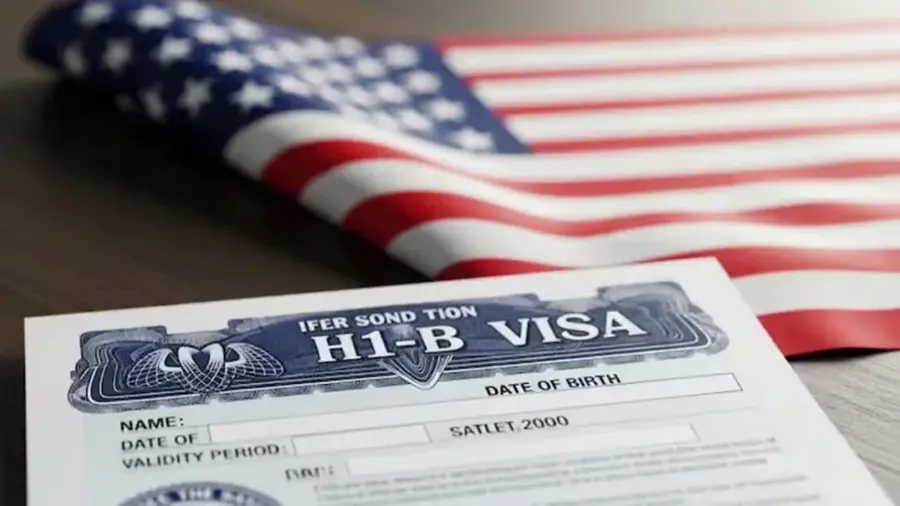
New Delhi/Washington: In a major shake-up of the H-1B visa program, the US Citizenship and Immigration Services (USCIS) has replaced the random lottery system with a new weighted selection process that prioritises higher- skilled and higher -paid applicants, a move that could significantly impact Indians seeking employment in the US.
Under the new system, effective February 27, 2026, visas will be allocated based on skill level and salary, favouring applicants with advanced qualifications and higher -paying job offers. USCIS officials say the change is aimed at protecting American wages, job opportunities, and working conditions, and addressing alleged abuse of the lottery system by employers seeking lower- paid foreign labour.
Experts warn that this shift could reduce opportunities for mid-level Indian professionals, who have historically made up a substantial portion of H-1B visa holders. Many may now struggle to compete with applicants offering higher wages or possessing advanced degrees, particularly from US institutions.
"The lottery system gave many skilled Indian professionals a fair chance, but the new rules tilt the playing field in favour of elite talent,' said an immigration analyst. 'Those in mid-tier positions or smaller firms may find themselves edged out.'
The move comes alongside heightened visa screening measures, including social media checks, which have already delayed interviews for many Indian applicants. Analysts note that while US and Indian leaders continue to emphasise friendly ties, visa and trade policies underscore a more transactional approach prioritising American interests.
With an annual cap of 65,000 H-1B visas plus 20,000 for US advanced degree holders, the weighted system is expected to intensify competition, prompting many Indian professionals to reconsider their US job prospects or explore alternative destinations such as Canada, Australia, or Europe.
Critics argue that the changes mark a broader trend under the Trump administration to prioritise higher-wage, highly skilled foreign workers while tightening access for others, signalling a stark new reality for Indians aspiring to work in the US.



Related News
Dont Miss it










0 comments