
US, Iran Begin Third Round of Indirect Nuclear Talks in Geneva Amid Military Buildup
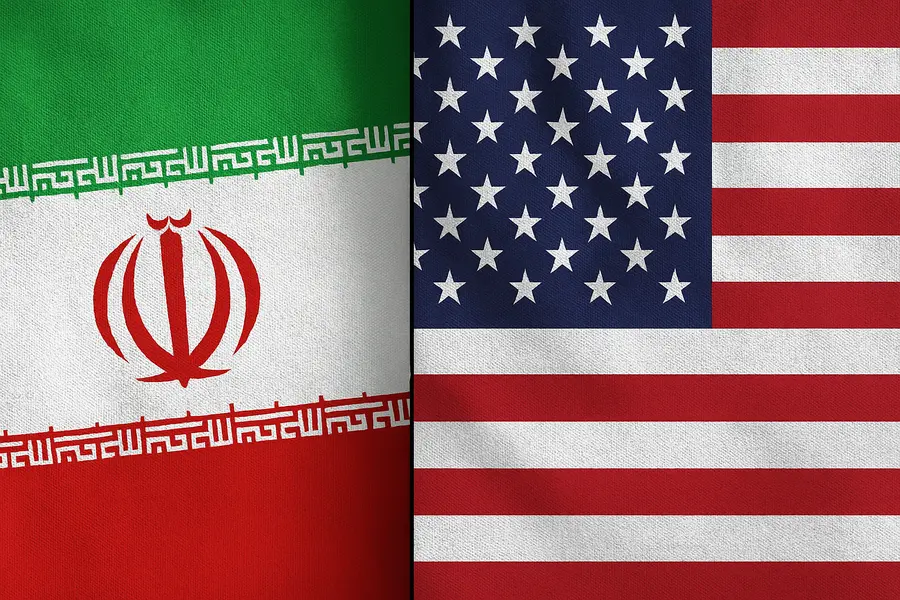
Geneva: A third round of indirect nuclear negotiations between the United States and Iran has begun in Geneva, set against a backdrop of intense geopolitical strain, including a significant US military build-up in the Middle East.
The talks — mediated by Oman Foreign Ministry and held at the Omani ambassador’s residence — resumed Thursday with Iranian Foreign Minister Abbas Araghchi leading his delegation and US envoys including Steve Witkoff and Jared Kushner representing Washington.
Officials from International Atomic Energy Agency are also participating, reflecting international involvement in efforts to prevent nuclear escalation.
The talks come as the US has deployed additional aircraft, warships and support units across the region — the largest such buildup in years — in an effort to reinforce leverage in negotiations and deter potential conflict.
Iran, meanwhile, has made clear it views the negotiations through the prism of national security and sovereign rights. Tehran insists its nuclear program is peaceful, rejects externally imposed ultimatums, and has repeatedly warned that military action could prompt retaliation.
In state media comments ahead of the Geneva meeting, Iranian officials noted that proposals have been conveyed to the US side, and stressed the need for substantive dialogue rooted in mutual positions rather than public statements.
Despite these diplomatic efforts, deep divisions remain. Washington continues to pressure Tehran to curb its uranium enrichment and address concerns over ballistic missiles and regional proxies, while Iran emphasises its right to peaceful nuclear technology and limits on enrichment in exchange for sanctions relief.
The outcome of the Geneva discussions could influence not only nuclear diplomacy but also broader regional stability. Iranian voices have stressed that escalation would have severe consequences, while some US officials maintain that failure to reach an agreement could prompt reconsideration of military options.
As negotiations proceed through mediators and indirect channels, both sides face the challenge of bridging fundamental differences in strategy and expectations — a task made harder by the sharp overlay of sanctions, military posturing, and global scepticism.
Tags



Related News
Dont Miss it







0 comments