
US targets Indian imports with new tariff order effective Aug 27

Anjali Ganga
Published on Aug 26, 2025, 12:18 PM | 6 min read
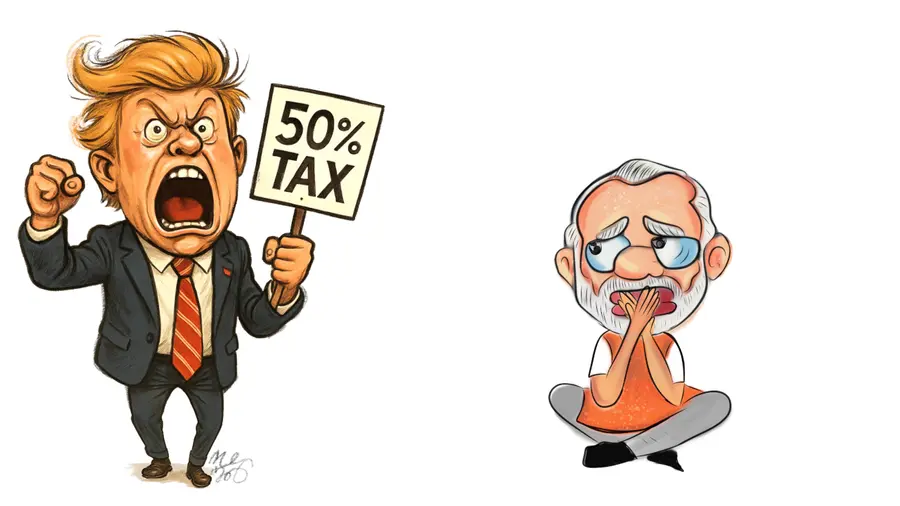
Washington: The United States has issued a draft notice outlining plans to impose an additional 25 per cent tariff on Indian products, as previously announced by President Donald Trump, which will come into effect from August 27.
The Department of Homeland Security, in the draft order published on Monday, said the higher levies would apply to Indian products that are "entered for consumption, or withdrawn from warehouse for consumption, on or after 12:01 am eastern daylight time on August 27, 2025."
On August 7, Trump announced a doubling of tariffs on Indian goods to 50 per cent over India’s purchase of Russian crude oil, while providing a 21-day window to negotiate an agreement. This was in addition to the 25 per cent tariff announced in late July, which came into effect on August 7.
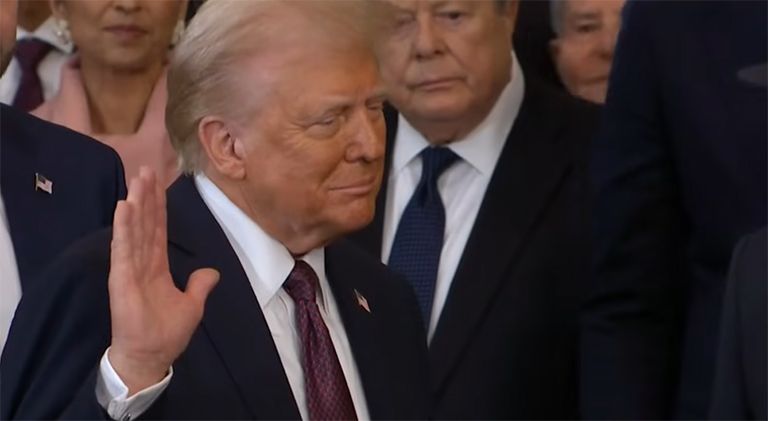
"Products of India, except those set forth in section 3 of Executive Order 14329, that are entered for consumption, or withdrawn from warehouse for consumption, on or after 12:01 a.m. eastern daylight time on August 27, 2025, will be subject to the additional ad valorem rate of duty," the order stated.
Indian products will, however, be exempt from the new 50 per cent tariff if they were "already loaded on a ship and in transit to the US before 12:01 am (EDT) on August 27, 2025, provided they are cleared for use in the country or taken out of a warehouse for consumption before 12:01 am (EDT) on September 17, 2025, and the importer certifies this to US Customs by declaring the special code HTSUS 9903.01.85."
White House Press Secretary Karoline Leavitt said earlier this month that President Trump imposed sanctions on India to push for an end to the conflict between Russia and Ukraine. US Treasury Secretary Scott Bessent accused India of "profiteering" by reselling Russian oil. India has described the tariffs imposed by the US as "unjustified and unreasonable." New Delhi said that, like any major economy, it will take all necessary steps to safeguard its national interests and economic security.
Why India?
Even though India is claiming that it will not bow down in front of the US or Donald Trump, there have been no active discourses between the two countries to rectify the 25 per cent additional tariff on Indian imports.
The claim that India is helping Russia in the Ukraine war is nothing but a tool in the hands of the US to control the market. The US at one point imposed around 145 per cent tariff on China, but later after several negotiations it was brought down to 30 per cent. The irony is that China is still buying crude oil from Russia and yet they are not being crucified.
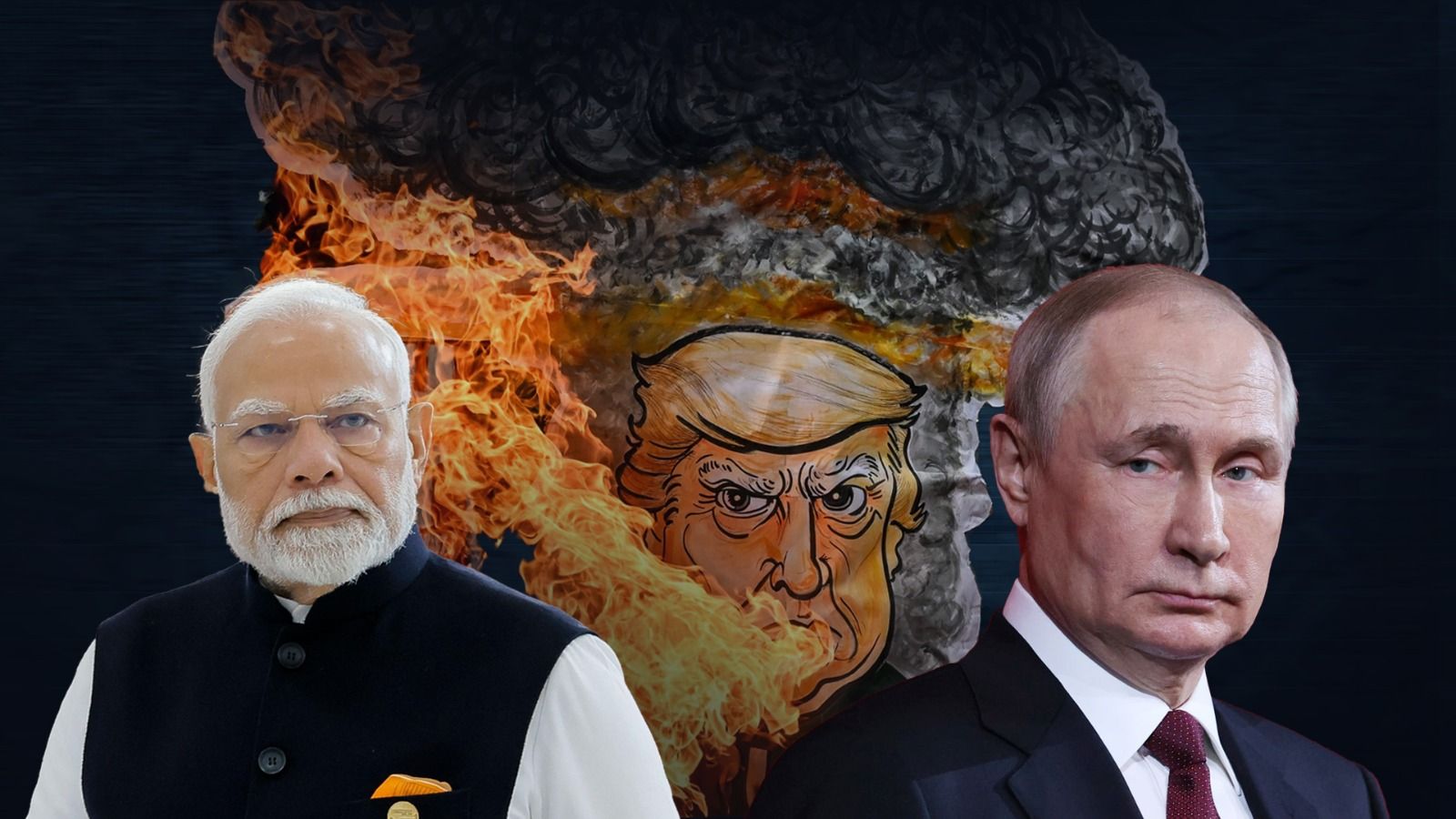
When Indian refineries backed out from buying in bulk, China in August alone stepped in to buy additional units. An additional 15 cargoes were brought to China by both private and public companies. This was possible because the price of oil dropped sharply after European countries cut ties with Russia. Since India is also backing out, China is utilising the situation.
By imposing an economic burden on India, the US is trying to play power politics, where it will have an upper hand in trade and transactions in South Asia. Brazil is also facing steep tariff impositions by the US. But instead of letting industries rot on their own, the Lula government has implemented the "Sovereign Brazil" plan to curb the economic imbalances they are about to witness.
Sovereign Brazil (Brasil Soberano) is a comprehensive economic relief initiative launched by the Brazilian government in August 2025 to counteract the impact of steep US tariffs on Brazilian exports. With a financial backbone of R$30 billion ($5.5 billion) in emergency credit from the Export Guarantee Fund, the plan aims to shield exporters, preserve jobs, and strengthen Brazil’s trade independence.

It includes affordable credit lines, extended tax exemptions, and public procurement of affected goods, especially targeting small businesses and perishable product sectors. Aid is tied to maintaining employment levels, and diplomatic efforts are underway to diversify Brazil’s trade partnerships and reduce reliance on the US. Framed as a defense of national sovereignty, the initiative reflects Brazil’s resolve to protect its economy and democratic values amid escalating trade tensions.
But when it comes to India, the country has yet to respond to how it is going to protect its economy and businesses; no plans have been announced yet.
Which sectors are going to get affected because of the tariff?
The industries that are going to be affected the most will be textiles, shrimp exports, jewellery, agriculture, and dairy. The most harm will be done to the Micro, Small and Medium Enterprises (MSMEs).
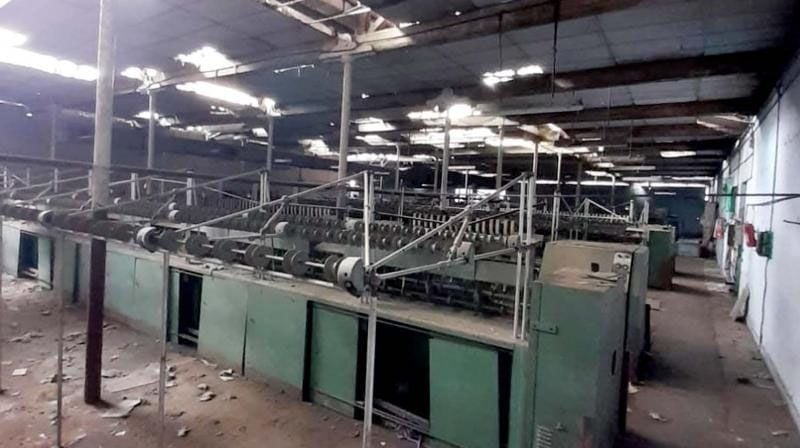 Textile Industry. File Photo
When Indian imports are facing immense tariffs, the price of clothes in the US will ultimately increase, but at the same time China and Bangladesh will be allowed to sell the same material at a lower price. This will eventually lead to a decline in Indian imports, and products may not sell. According to BBC, the jewellery business is going to be hit badly, with around 500 crore dollars’ worth of jewellery exported to the US annually.
The shrimp business is also expected to be severely affected. With Christmas approaching, shrimp production should already be underway. But the uncertainty over tariff rates is preventing farmers from moving forward with cultivation.
The job loss
Several individuals have already lost their jobs due to the 25 per cent tariff imposed earlier, as the US claimed that India was imposing unfair tariff rates on American goods. Trump has commented that India was looting the US, and this measure is meant to bring money back into the American market. The deal was aimed at reducing import duties in America. According to BBC, there are already massive layoffs in the textile and jewellery industries. The pharmaceutical and dairy sectors are also expected to endure significant suffering.
The road ahead
The imposition of additional tariffs places India in a challenging position. Unlike Brazil, which quickly rolled out a comprehensive relief package to protect its economy, India has yet to outline a strategy to counter the impact. With key industries like textiles, jewellery, agriculture, dairy, and seafood already under pressure, the absence of a clear policy response risks worsening unemployment and reducing India’s competitiveness in the US market. Unless a concrete plan is announced soon, the coming months could see further strain on exporters, small businesses, and workers who form the backbone of India’s economy.



Related News
Dont Miss it







0 comments