
Europe Pushes Back as Trump Threatens Tariffs Over Greenland Influence
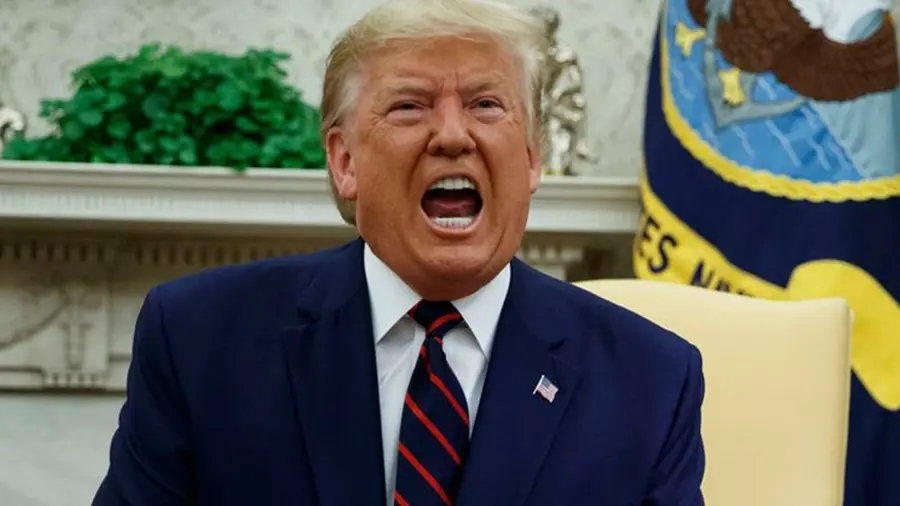
European governments and institutions are scrambling to respond to a sudden and controversial tariff threat from US President Donald Trump that targets key allies over their opposition to his bid to increase influence — and potentially control — in Greenland, according to reporting by international media.
Trump announced he would levy 10 per cent tariff as early as February 1 on imports from eight European nations — including Denmark, Sweden, Norway, France, Germany, the United Kingdom, the Netherlands and Finland — unless they acquiesce to his demands related to Greenland. He also warned the duty could rise to 25 per cent by June if no agreement is reached.
European leaders reacted swiftly and forcefully. European Council President Antonio Costa and European Commission President Ursula von der Leyen issued a joint message, saying that tying trade penalties to Greenland’s future undermines transatlantic ties and could trigger a dangerous downward spiral in relations. They pledged that Europe would remain “united, coordinated and committed to upholding its sovereignty.”
National leaders echoed those sentiments. In Stockholm, Swedish Prime Minister Ulf Kristersson rejected the tariff threats as blackmail, asserting that such matters should be decided by Denmark and Greenland themselves. Similar rebukes came from other capitals: Britain’s Keir Starmer called tariffs on allies “completely wrong,” and Norway’s Jonas Gahr Store said threats have no place among NATO partners.
French President Emmanuel Macron described the move as unacceptable, urging that Europe respond in a united, coordinated manner if the tariffs are implemented. German officials said they were working with partners to decide on a joint response, and Finnish leaders stressed that disputes among allies should be resolved through dialogue, not economic pressure.
The European Union is considering its options, including activating the bloc’s anti‑coercion instrument — a trade defence tool that has never before been used — to counter what many see as an unprecedented use of tariffs for political leverage. Reports suggest EU ambassadors are holding emergency talks to shape a common strategy.
Public and parliamentary voices in Europe have also expressed concern. Critics warn that the threat could jeopardise broader cooperation between Europe and the United States, including existing trade agreements, and damage economic and strategic partnerships built over decades.
In Greenland, leaders have welcomed Europe’s solidarity. Copenhagen‑backed deployments of small European forces to the Arctic island were meant to reinforce sovereignty and collective security, but Trump’s tariff threat has elevated the dispute into a major transatlantic issue. Greenland officials have thanked European nations for their support in the face of economic coercion linked to geopolitical pressures.
The controversy underscores rising tensions between the United States and its European allies over Arctic geopolitics, trade policy and alliance cohesion. With talks ongoing among European capitals and Brussels, the coming days are expected to shape how the transatlantic partnership responds to what many officials describe as a serious challenge to diplomatic norms and collaborative security frameworks.



Related News
Dont Miss it








0 comments