
Trump Threatens Tariffs on European Nations Over Greenland Dispute

Web desk
Published on Jan 18, 2026, 08:30 AM | 2 min read
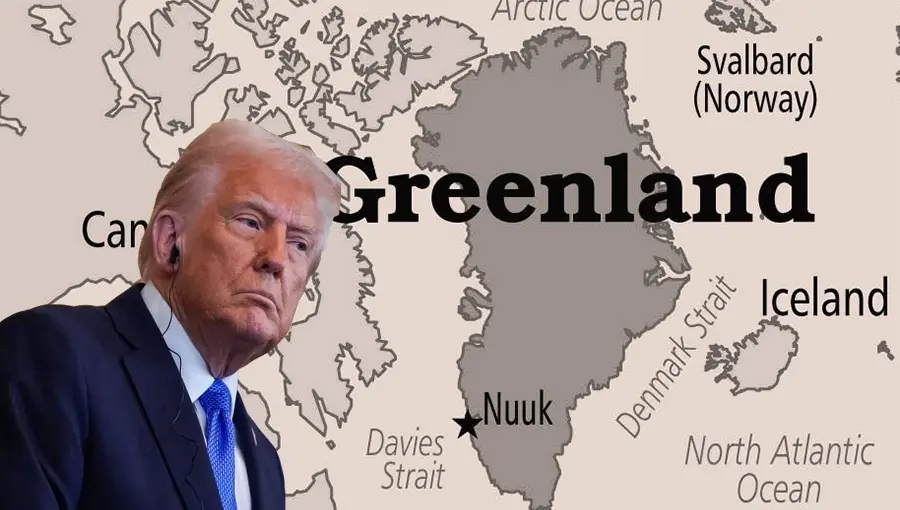
Nuuk: US President Donald Trump on Saturday announced plans to impose a 10 percent import tariff on goods from eight European countries starting February 1, citing their opposition to US control over Greenland. The tariff, he warned, would remain in place until the United States secures what he described as the “complete and total purchase of Greenland,” and could rise sharply to 25 percent beginning June 1 if European nations fail to comply with US demands.
In a post on social media, Trump said the tariffs would target Denmark, Norway, Sweden, France, Germany, the United Kingdom, the Netherlands, and Finland. He framed the move as a matter of national security, claiming that without US control, Greenland could fall into the hands of Russia or China, an assertion widely regarded by analysts as speculative and alarmist.
Greenland is an autonomous territory within the Kingdom of Denmark, and both Danish officials and European leaders have repeatedly and unequivocally rejected any suggestion that the island is for sale. The proposal has been dismissed as incompatible with international law and the principle of self-determination.
Trump’s latest threat underscores his continued reliance on tariffs as a coercive geopolitical tool rather than a conventional trade policy instrument. Critics argue that his approach reflects a pattern of economic pressure aimed at forcing smaller or allied nations to conform to US strategic objectives. In recent months, the administration has imposed a 50 percent tariff on countries purchasing oil from Russia, measures that have affected nations such as India, and has introduced sweeping trade penalties against countries maintaining commercial ties with Iran.
Economists and diplomats warn that such unilateral actions risk destabilizing global trade, undermining long-standing alliances, and weaponizing economic policy for political leverage. Rather than strengthening US leadership, critics contend that these tactics erode trust among allies and blur the line between diplomacy and economic intimidation.
As European governments weigh their response, the episode adds to growing concerns that trade policy under Trump is increasingly being used as an instrument of coercion, one that prioritizes short-term political posturing over international norms, alliance-building, and economic stability.



Related News
Dont Miss it









0 comments