
Escalating Trade Wars: The Far-Reaching Effects of Trump's Tariff Policies

Anjali Ganga
Published on Mar 10, 2025, 05:50 PM | 4 min read
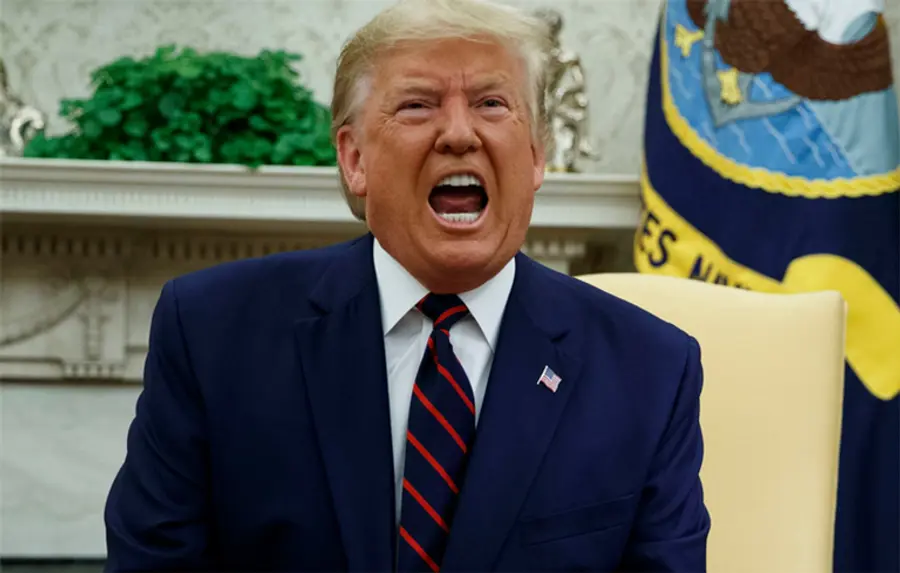
Donald Trump once again finds himself in the international spotlight—not for his notable diplomatic or executive achievements, but for his contentious decisions surrounding trade and tariffs. The world stands on the precipice of a new trade war, with the Trump administration's reciprocal tariff impositions threatening to ignite inflation in both the United States and its trading partners, potentially leading to widespread economic instability.
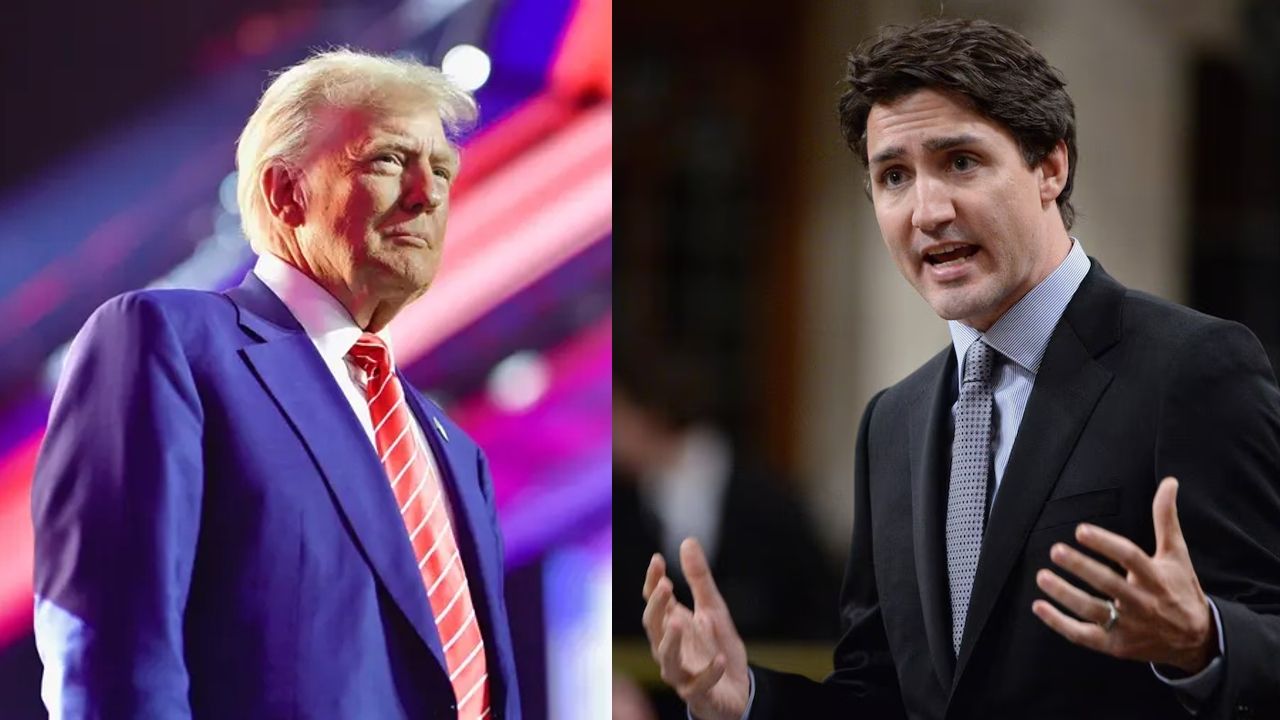
Since taking office on January 20, 2025, Trump signed an executive order on March 4 imposing a staggering 25- percent tariff on goods from major trade partners Canada and Mexico while elevating tariffs on China from 10 percent to 20 percent. This aggressive move underscores an approach that prioritises protectionist policies over collaborative trade relationships.
Retaliation from Trade Partners
The resultant ripple effect was swift and severe. Canadian Prime Minister Justin Trudeau announced retaliatory tariffs on over 100 billion dollars' worth of American goods within 21 days—signifying a bold stance in response to what Canada views as economic aggression. Mexican President Claudia Sheinbaum echoed this sentiment, hinting at her country’s retaliation without specifying targeted goods, highlighting a careful but firm resistance to Trump's tariffs.
China further escalated the situation by implementing tariffs of up to 15 percent on key US farm exports and extending scrutiny on approximately two dozen US companies. This not only disrupts existing trade flows but also signals a strategic maneuver to counter US economic pressure. In light of these retaliatory actions, Trump had to pause the imposition of tariffs on many products from Canada and Mexico for 30 days—a clear recognition of the potential economic fallout he feared.
Trump’s Justification for Tariffs
Trump’s justification for these tariffs centers on the assertion that they combat the inflow of illegal fentanyl into the United States, claiming that countries like China, Canada, and Mexico play complicit roles in facilitating this trade. However, these assertions are met with staunch rebuff from these nations, each emphasising their commitment to border security and the fight against drug trafficking. Furthermore, Trump’s logic connecting tariffs to curbing illegal migration lacks supporting data, rendering it a dubious justification.
In addition to the drug narrative, Trump argues that tariffs serve as a shield for American jobs and industries against unfair foreign competition. While the intention to protect domestic manufacturing is commendable, the broader implications of such tariffs could stifle economic growth. By making foreign goods more expensive, consumers may face increased costs for essential products, which could inadvertently hurt the very American workers Trump seeks to protect.
How it Will Affect India
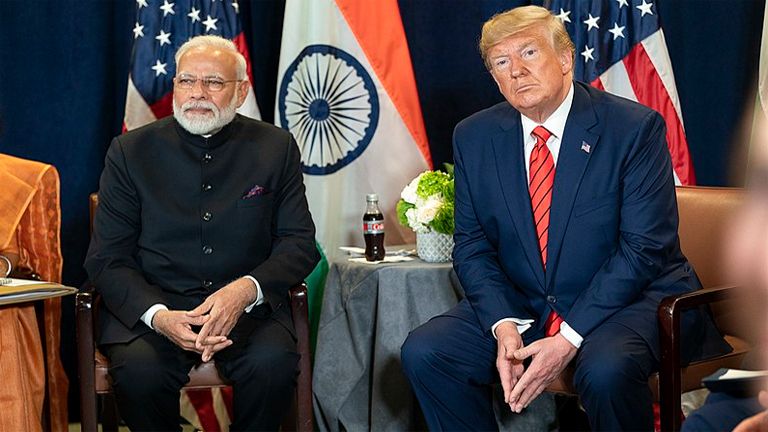
In a pointed critique of India's trade policies, Trump has noted India's high tariffs and announced that reciprocal tariffs would be enforced starting April 2, reflecting his administration's escalating confrontational approach. Such impositions will severely impact key sectors in India, including agriculture, textiles, pharmaceuticals, and machinery. This is particularly alarming given that the US is India's largest trading partner, with trade reaching a historic 118.2 billion dollars last year.
The introduction of reciprocal tariffs threatens to derail the momentum fostered by the recent Bilateral Trade Agreement, which aimed for a target of 500 billion dollars in trade by 2030. Increased tariffs will likely slow down imports of Indian products, risking both economic growth and job creation in India while simultaneously increasing costs for US consumers—especially in the pharmaceutical sector where India is a leading supplier. This increase will inevitably burden American citizens with higher healthcare costs and exacerbate existing disparities in access to essential medicines.
Price of Protection: The Fallout from Tariff Policies
Despite Trump's claims of supporting American interests, critics argue that these tariff policies carry grave consequences for US consumers. With the inevitable rise in prices for imported goods, American households may face increased financial strain, making everyday necessities pricier and less accessible. Moreover, the potential for damaged relationships with key trading partners raises concerns about long-term economic stability. An escalating trade war not only puts American businesses at risk but also hinders international cooperation crucial for addressing global challenges.
While the intention behind these tariffs might be rooted in a desire to protect local industries, the unintended consequences—such as higher prices, strained international relations, and potential job losses—undermine the administration’s goals. As the US navigates this increasingly volatile trade landscape, the long-term effects of Trump's tariff policies remain uncertain, igniting a heated debate about prioritising domestic protectionism over collaborative global trade aimed at mutual benefit and economic resilience.



Related News
Dont Miss it









0 comments