
Russia, China and Iran Deploy Warships for Joint Drills in Strait of Hormuz Amid Increasing US Military Presence
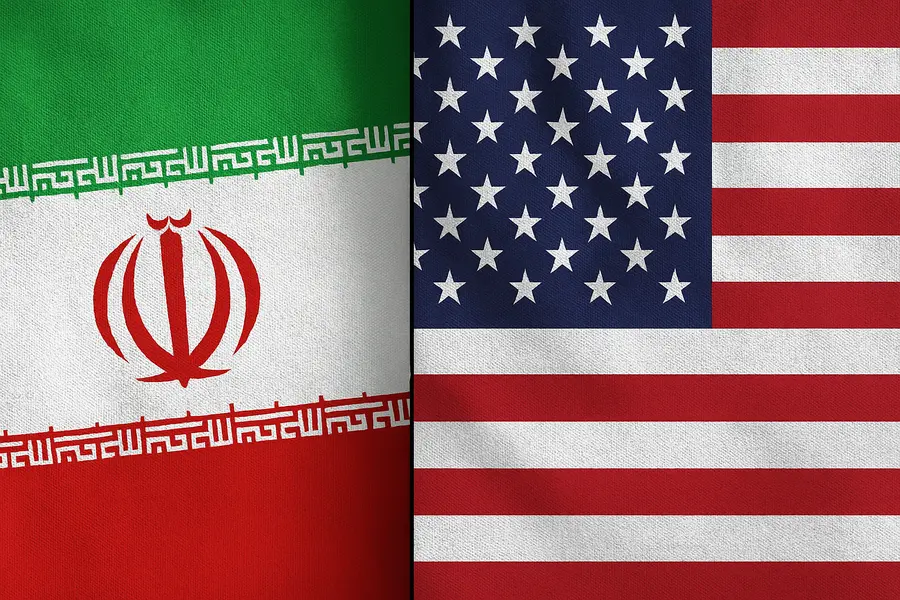
Naval forces from Russia, China and Iran have deployed ships to the Strait of Hormuz for coordinated military exercises, a development that coincides with an expanding US military footprint in the Gulf and rising geopolitical tensions over Iran’s nuclear program and regional security.
The exercise — known as the Maritime Security Belt 2026 drills — is being hosted by Iran in the narrow waterway that connects the Persian Gulf with the Gulf of Oman, one of the world’s most important chokepoints for global energy shipments. Russian presidential aide Nikolay Patrushev described the manoeuvres as an effort to strengthen coordinated maritime operations and protect commercial shipping lanes that he said face rising vulnerabilities.
As part of the drills, surface combatants, logistics vessels and aviation elements from the three nations are expected to participate in exercises that include communication drills, search-and-rescue scenarios and simulated escort operations — activities that echo past combined operations conducted since 2019.
The timing of the joint exercise comes amid increased US military deployment in the broader Middle East. American carrier strike groups, including the USS Abraham Lincoln and USS Gerald R. Ford, along with accompanying destroyers and littoral combat ships, are operating in and around the Gulf region. These deployments — part of what officials describe as efforts to deter destabilising acts and reassure partners — reflect concerns about regional security dynamics, particularly involving Iran’s nuclear advances and missile capabilities.
The US military presence also extends to air assets stationed at bases in Qatar, Jordan and other Gulf partner states, reinforcing Washington’s posture in a region marked by contestation over influence and ongoing indirect negotiations with Iran over its nuclear program.
The Strait of Hormuz’s geostrategic significance — with around a fifth of global crude oil trade passing through it daily — means any major escalation could have wide-ranging effects on energy markets and international navigation. The unfolding security environment underscores the delicate interplay between diplomacy, regional military postures and great-power competition in one of the world’s most sensitive maritime corridors.



Related News
Dont Miss it










0 comments