
Netanyahu’s Gaza City Control Plan Faces Mounting Criticism

Web desk
Published on Aug 08, 2025, 03:47 PM | 3 min read
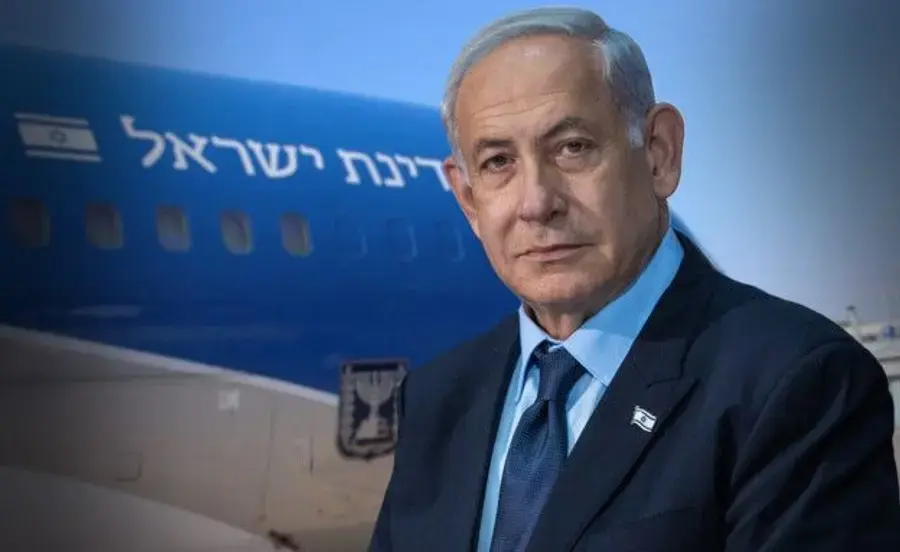
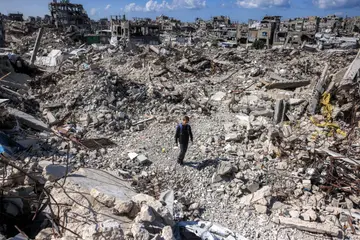
Jerusalem: Prime Minister Benjamin Netanyahu’s latest push to take military control of Gaza City, under the guise of a five- point strategy to defeat Hamas, appears more like a political manoeuvre than a coherent security policy. Nearly two years into a devastating war that has killed tens of thousands of Palestinians and left Gaza in ruins, the decision signals a refusal to reckon with the deep failures of Israel’s current approach.
Despite claiming the objective is not to “occupy or annex” Gaza, Netanyahu is essentially greenlighting a deeper military entanglement with no clear exit plan. The vague promise of handing Gaza over to a “transitory government” is neither new nor credible. Israel has offered no details on who would constitute this civil administration, how it would function, or how it could survive without legitimacy among Palestinians.
The decision comes as pressure mounts at home. Massive protests have erupted across Israel, not just over the war’s duration and cost, but over the continued captivity of more than 50 hostages. Many hostage families are demanding a ceasefire, yet Netanyahu’s plan moves in the opposite direction, pushing further into war rather than toward negotiation or resolution.
The Israeli military's own Chief of Staff, Lt Gen Eyal Zamir, has called a full military conquest of Gaza City a “trap.” Ignoring this warning suggests the Cabinet is not weighing operational advice as seriously as political optics. Indeed, Netanyahu's coalition government, propped up by far -right partners, has increasingly prioritised hardline ideology over pragmatic diplomacy.
Even Netanyahu’s claim that humanitarian aid is being “interdicted” skirts accountability. Gaza is facing catastrophic malnutrition and medicine shortages, yet military control is expanding, not aid delivery. The World Health Organisation has described the situation as "alarming,' while Israel continues to control what enters and exits the strip.
The plan’s premise, to defeat Hamas and secure hostages, has already shown diminishing returns. More than 60,000 Palestinians have reportedly been killed, but Hamas remains operational, and hostage negotiations have stalled. Military escalation at this point may not bring Israel closer to its stated goals; it risks locking the country into a prolonged and morally untenable occupation.
Ultimately, Netanyahu’s strategy seems to serve his own political survival more than Israel’s long-term security or regional stability. By doubling down on force while ignoring diplomatic off-ramps, the Israeli government is reinforcing a cycle of violence with no clear end, and potentially putting more lives, Israeli and Palestinian alike, at further risk.



Related News
Dont Miss it









0 comments