
Japan Brings World’s Largest Nuclear Plant Reactor Back Online After 2011 Fukushima Disaster
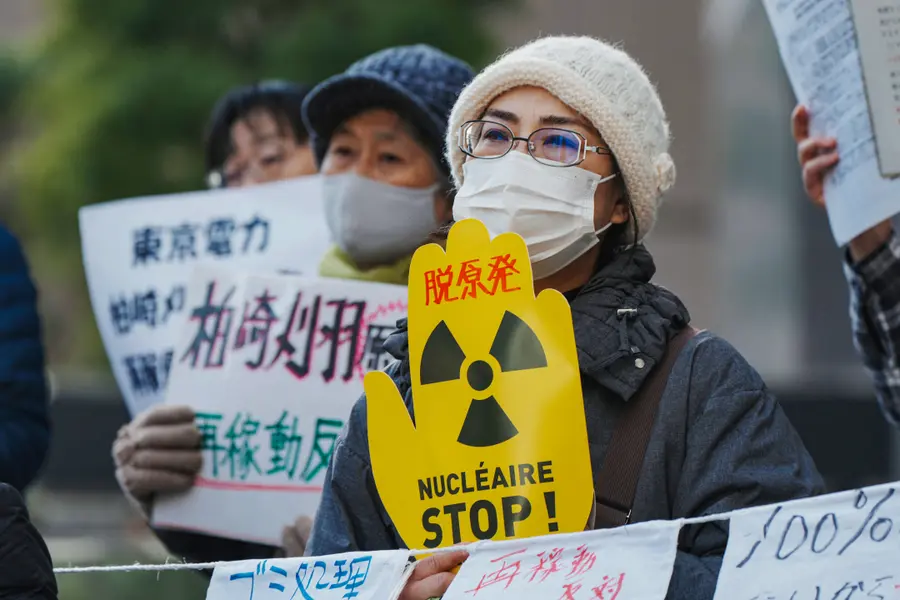
Participants demonstrate in front of Tokyo Electric Power Company's headquarters, against the restart of the Kashiwazaki-Kariwa Nuclear Power Plant, in Tokyo on January 19, 2026. (Photo | AFP)
TOKYO: Japan has brought a reactor back online at the Kashiwazaki‑Kariwa nuclear power plant, the world’s largest nuclear facility by capacity, in a move that marks its first restart since the 2011 Fukushima disaster and underscores a broader return to atomic energy in the face of growing energy needs and security concerns.
The No. 6 reactor, operated by Tokyo Electric Power Company (TEPCO), resumed operations Wednesday evening after safety preparations and equipment issues were resolved, according to the company and government officials. The plant, located in Niigata Prefecture on the Sea of Japan coast, has seven reactors and a total potential output of about 8.2 gigawatts — enough to power millions of homes when fully active.
This restart comes nearly 15 years after the Fukushima Daiichi meltdown, which triggered the shutdown of virtually all nuclear reactors in the country and reshaped Japan’s energy policy. While only one unit has been reactivated so far, analysts say it represents a key milestone in Japan’s broader energy strategy aimed at reducing reliance on imported fossil fuels, securing more stable domestic power production, and advancing decarbonisation goals.
Despite the historic nature of the restart, the decision remains controversial. Local surveys and public demonstrations have shown persistent opposition among nearby residents, many of whom cite long‑standing safety worries rooted in Japan’s quake‑prone geography and the legacy of past nuclear accidents. Critics have also pointed to concerns over evacuation planning and emergency preparedness in the event of a major incident.
Supporters, including national policymakers, argue the restart is a pragmatic step toward securing energy autonomy and lowering the country’s heavy dependence on imported oil, coal and natural gas, which together have long supplied much of Japan’s electricity. The government has paired nuclear restarts with enhanced safety measures, including strengthened tsunami defences and stricter regulatory oversight to address previous shortcomings.
The No. 6 unit is expected to move toward commercial electricity production by late February, once all commissioning procedures are completed, officials said. The outcome at Kashiwazaki‑Kariwa is likely to influence decisions about other reactor restarts nationwide and shape public debates about the future role of nuclear power in Japan’s energy mix.



Related News
Dont Miss it









0 comments